


Urad dal is a cornerstone of Indian cuisine, beloved for its creamy texture and earthy flavour. Yet, for many, it comes with a downside: bloating and digestive discomfort. The secret to unlocking its delicious potential lies in one crucial step.
Why Soaking is a Non-Negotiable Step
Skipping
the soak might save time, but it comes at a nutritional and digestive cost. Urad dal, like other legumes, contains naturally occurring compounds called anti-nutrients, such as phytic acid and tannins. These compounds can block your body's ability to absorb essential minerals like iron, zinc, and calcium from the dal. Soaking is the first line of defence against these inhibitors. It begins to break them down, making the nutrients in the dal more bioavailable, meaning your body can actually use them. Furthermore, urad dal contains complex sugars called oligosaccharides. Our bodies lack the enzymes to break these down efficiently, which can lead to gas and bloating as they ferment in the gut. Soaking helps to reduce these compounds, making the dal significantly easier on your digestive system.
The Art of Soaking: A Simple Guide
Properly soaking urad dal is simple. First, rinse the dal thoroughly under running water 3-4 times to remove any dust or polishing agents. The type of urad dal you are using determines the soaking time. For split white urad dal, often used for idli and dosa batters, a soak of 4 to 6 hours is ideal. For whole black urad dal, which is used in dishes like Dal Makhani, a longer soak of at least 6-8 hours, or even overnight, is recommended to soften its tough outer skin. Always use ample fresh water for soaking, ensuring the dal is fully submerged with a few inches of water to spare, as it will swell. Crucially, always discard the soaking water before cooking. This water contains the leached-out anti-nutrients and complex sugars you're trying to avoid. A fresh rinse after soaking and before cooking is also a good practice.
Perfecting the Cooking Process
Once soaked and rinsed, the dal is ready for cooking. A pressure cooker is the most efficient method, significantly reducing cooking time while ensuring the dal becomes tender and creamy. For whole urad dal, it might take 8-10 whistles on medium heat, followed by a period of simmering, to achieve that signature melt-in-the-mouth texture. If you're cooking in an open pot, the process will take longer, and you'll need to keep an eye on the water level, adding hot water as needed. To further enhance digestibility and flavour, certain additions during the cooking process are highly beneficial. Adding a pinch of asafoetida (hing), along with ginger and cumin seeds, is a traditional practice for a reason. These spices are known to aid digestion and counteract the gas-forming properties of legumes.
From Creamy Dal to Crispy Vadas
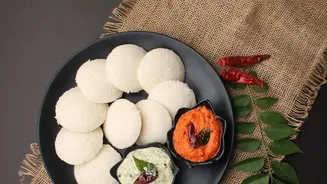
The benefits of this careful preparation extend to all forms of urad dal. For batters used in idli, dosa, and medu vada, a proper soak is what allows the dal to be ground into a fine, aerated paste. This mucilaginous quality is unique to urad dal and is essential for creating the light, spongy texture of a perfect idli. When the batter is fermented, the benefits multiply; fermentation further breaks down anti_nutrients, pre_digests proteins, and even creates B vitamins, making the final product incredibly nutritious and easy to digest. For a classic Dal Makhani or Maa ki Dal, the slow simmering of pre_soaked whole urad dal is what allows it to break down into a rich, creamy consistency without becoming heavy or difficult to digest.