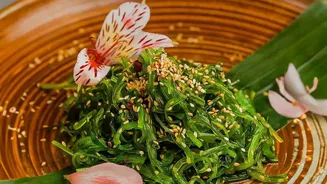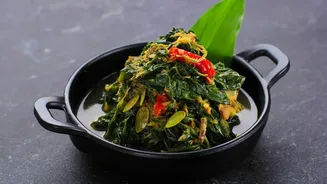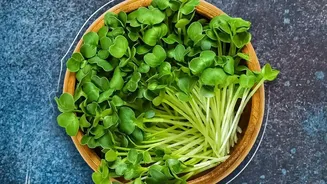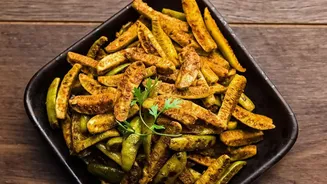

Deep in the forests of Central India, a quiet culinary revolution is taking place. For generations, Adivasi communities have foraged for wild greens, but now, a new wave of chefs is taking these humble ingredients into the world of fine dining.
The Forest's Hidden Pantry
For centuries,
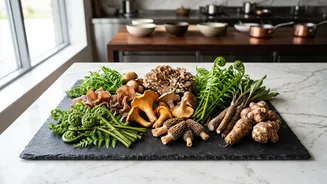
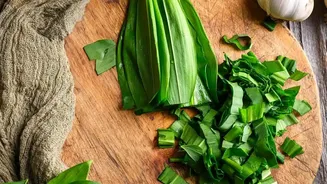
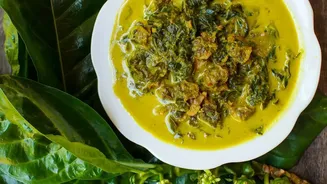
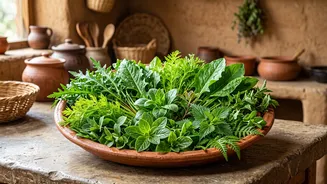
the forests of states like Chhattisgarh and Madhya Pradesh have served as a vital source of food for tribal communities.. The practice of gathering wild edible plants, known locally as 'bhaji', is a tradition rooted in deep ecological knowledge.. These greens, often dismissed as weeds in mainstream agriculture, are incredibly diverse and nutrient-rich. Ingredients like 'chench bhaji', bamboo shoots ('basta' or 'karil'), and various wild mushrooms have been staples in Adivasi kitchens, prepared with simple, time-honoured methods.. This food culture, dependent on seasonal availability and sustainable harvesting, represents a direct and intimate connection between people and their natural environment.. It’s a culinary heritage that has remained largely invisible to the outside world, until now.
From Tradition to Trend
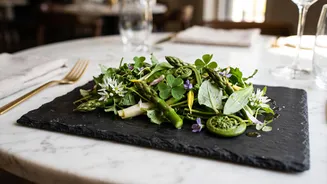
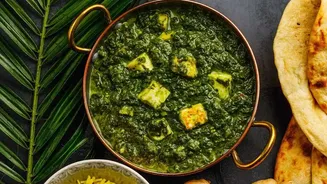
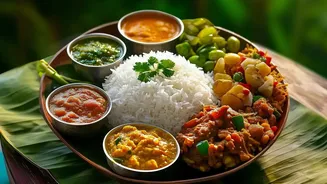
A new generation of Indian chefs and culinary entrepreneurs is beginning to look inward, turning away from imported luxury ingredients and rediscovering the country's vast biodiversity.. Central India's tribal cuisine, with its unique flavours and organic origins, has become a source of inspiration. Chefs are travelling to remote regions, learning from local communities, and understanding the cultural context of these foods.. This has led to the introduction of foraged greens and tribal staples onto modern menus, often in unexpected and innovative forms.. Restaurants and eco-resorts are creating dining experiences that are both authentically local and appealing to a modern, discerning palate.. This movement isn't just about new recipes; it's a fundamental shift in what is considered 'gourmet' in India.
Innovation on the Plate
The transformation from foraged green to gourmet delicacy involves creative culinary techniques that enhance, rather than mask, the ingredients' natural character. Instead of just boiling or simple stir-frying, chefs are experimenting with methods like slow-cooking, fermentation, and dehydration. They are creating refined dishes where traditional flavours are presented in a contemporary style. For example, a simple leaf might be transformed into a crisp garnish, a flavour-infused oil, or the base of a complex sauce. One of the most famous examples of this crossover is 'chapda chutney', a fiery condiment made from red ants, which gained international fame after being featured by celebrity chef Gordon Ramsay during a visit to Bastar.. This exposure helped put a spotlight on the region's unique culinary offerings, showing how even the most unusual local delicacies can find a place on the global stage.
A Taste of Acclaim
While you may not find a single, overarching 'Best Foraged Greens' award, the acclaim for this culinary movement is real and growing. It comes in the form of features in prestigious food publications, glowing reviews from critics, and the inclusion of these ingredients in menus at top-tier restaurants.. For instance, restaurants like Mumbai's Masque, which was recently ranked among the world’s best, are celebrated for their ingredient-sourcing trips and focus on regional Indian produce.. This recognition validates the work of chefs who are championing indigenous ingredients. More importantly, it brings economic benefits and a sense of pride to the local communities and farmers who are the original custodians of this culinary knowledge, creating a sustainable ecosystem where tradition is not just preserved but celebrated and valued.