
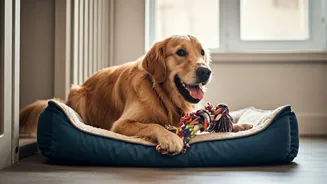


Why Paw Cleaning is a Health Check
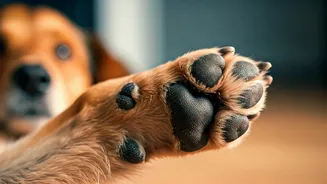
A quick wipe might seem sufficient, but a dog's paws pick up much more than just dirt and mud. They are exposed to allergens like pollen, sharp objects like thorns or glass shards, and chemical residues from roads or lawns. More importantly, the warm,
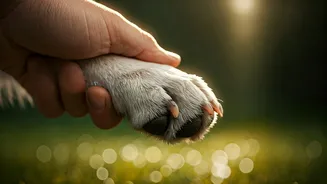
moist spaces between their paw pads are a perfect breeding ground for bacteria and yeast. Without regular, thorough cleaning, these irritants can lead to painful infections, cracked pads, allergic reactions, and constant licking or chewing. A consistent paw-cleaning routine isn't just about housekeeping; it's a preventative health measure that allows you to inspect their feet daily for any signs of trouble.
Assemble Your Paw-Cleaning Toolkit
Being prepared makes the process faster and more effective. You don’t need a lot, but having the right tools on hand by the door can turn a messy chore into a quick, simple habit. Consider keeping a dedicated station with these items: * **An Old Towel:** Highly absorbent and durable, a designated 'paw towel' is your first line of defence. * **Pet-Safe Wipes:** For light-duty cleaning or for dogs who dislike water. Ensure they are free from harsh chemicals and alcohol. * **A Paw Washer/Plunger:** These silicone-bristled cups are a game-changer. You add a little water, insert the paw, twist, and the bristles gently scrub away mud and debris. * **A Soft Brush:** A soft-bristled toothbrush or a special-purpose paw brush can help dislodge stubborn dirt from around the nails and between the pads. * **Dog-Specific Shampoo:** For deep cleans, always use a gentle shampoo formulated for dogs. Human products can dry out their skin and disrupt their pH balance.
The Daily Wipe-Down
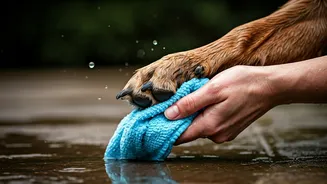
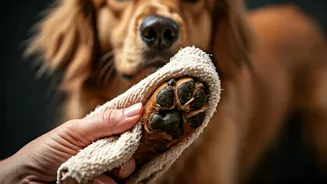
For most daily walks on dry or slightly damp days, a full bath isn't necessary. This quick routine is perfect for maintenance and getting your dog accustomed to having their paws handled. 1. **Stop at the Door:** Train your dog to wait on a mat or towel just inside the entrance. 2. **Use Wipes or a Damp Towel:** Systematically wipe each paw, making sure to get in between the pads and around the nails. Use a fresh section of the cloth or a new wipe for each paw to avoid spreading dirt. 3. **Quick Inspection:** As you wipe, take a second to glance at each pad for any redness, swelling, or foreign objects. 4. **Dry Thoroughly:** Use a dry part of your towel to dry their paws completely. This step is crucial for preventing fungal infections.
The Post-Monsoon Deep Clean
After a romp through a muddy field or a walk during a heavy downpour, you'll need a more robust approach. A paw plunger or a shallow basin of water works best here. 1. **Prepare the Water:** Fill your paw plunger or a small tub with lukewarm water. You can add a tiny drop of dog shampoo for extra cleaning power, but plain water is often enough. 2. **Wash One Paw at a Time:** Gently guide your dog’s paw into the water. If using a plunger, twist it a few times. If using a basin, swish the paw around and use your fingers or a soft brush to loosen the mud. 3. **Rinse (If Using Soap):** If you used shampoo, have a second container of clean water ready to rinse the paw thoroughly to remove any soap residue. 4. **Dry and Repeat:** Lift the paw out and press it firmly onto a highly absorbent towel. Squeeze gently to get water out from between the pads. Repeat for all four paws.
Make It a Positive Routine
Many dogs are sensitive about their feet, which can make cleaning a struggle. The key is to build a positive association with the process. Start when they are puppies, if possible, but even older dogs can learn to tolerate it. Keep sessions short and positive. Use high-value treats to reward them for letting you touch and handle their paws. Speak in a calm, encouraging voice throughout the process. Never scold or force them, as this will only create fear and anxiety. With patience and consistency, paw cleaning can become just another bonding moment you share with your pet.