


The New Arrival Trap
The cycle is familiar: an email announces a flash sale, or a social media post showcases a must-have item. Fast fashion brands have mastered the art of creating urgency. By releasing dozens of new styles every week, they tap into our desire for novelty,
triggering a dopamine rush with each potential purchase. This creates a psychological loop where the short-term thrill of buying something new quickly fades, leaving us searching for the next hit. This constant exposure to trends generates a sense of needing to update our wardrobes at an impossible speed, often leading to impulse buys we later regret.
What Is a Wardrobe-Gap List?
A wardrobe-gap list is a strategic shopping list based on what your current closet actually needs to be more functional. Instead of reacting to trends, it’s a proactive approach to shopping with intention. Think of it like a grocery list for your closet. It’s not about what’s new in stores; it's about identifying the missing pieces that will help you create more complete outfits with the clothes you already own and love. This simple shift in mindset turns shopping from a reactive habit into a purposeful act.
Step 1: Audit Your Current Wardrobe
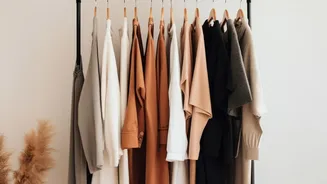
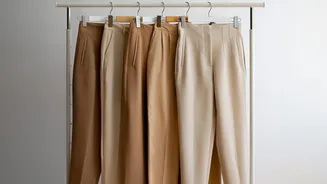
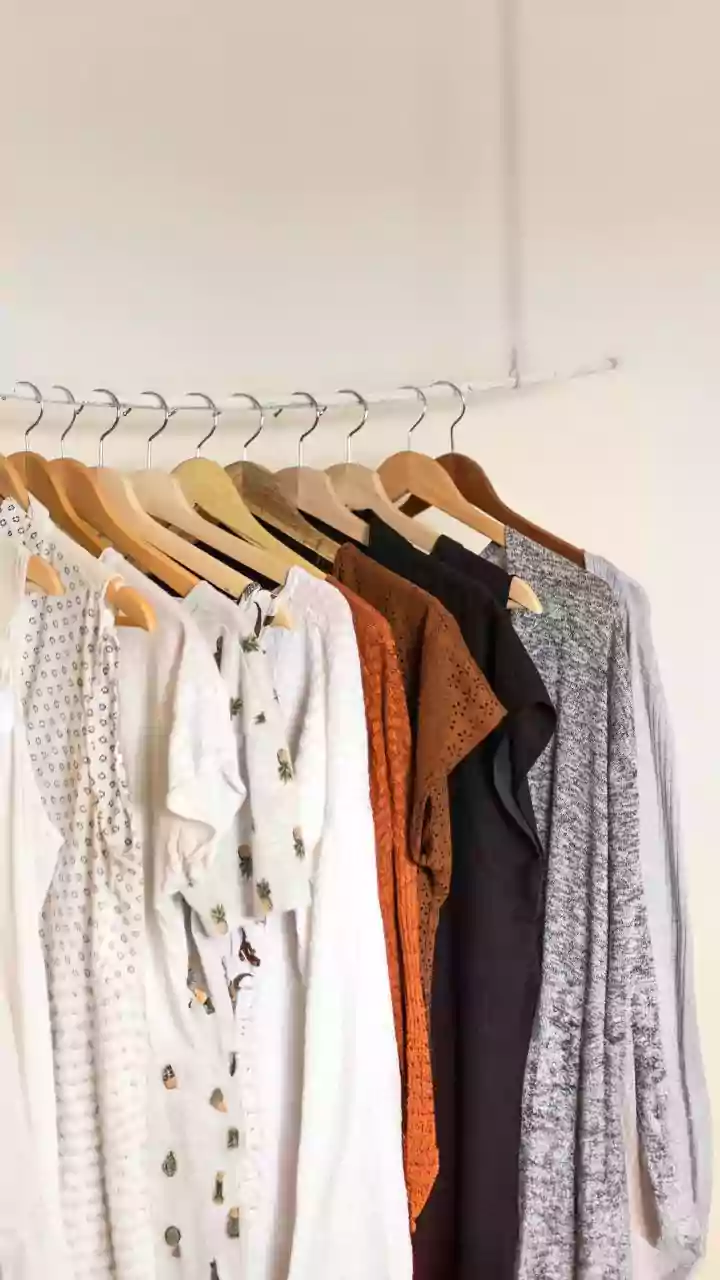
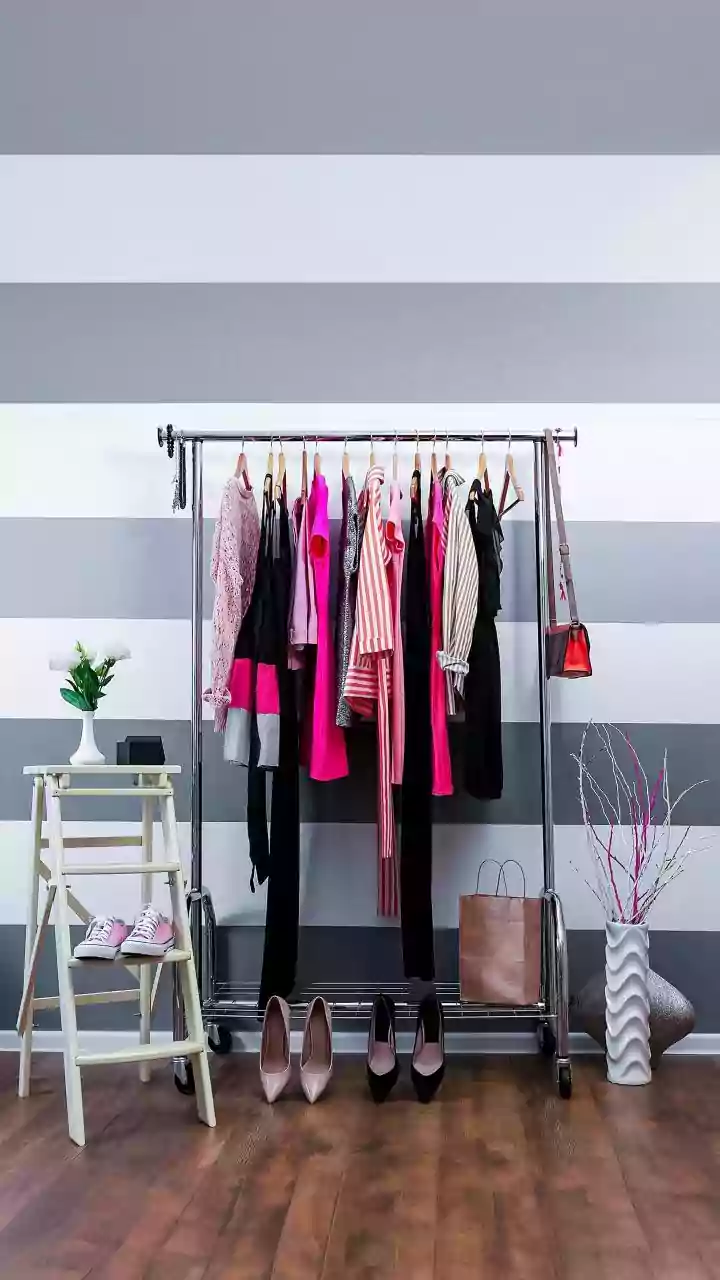
The first step is to get a clear picture of what you already have. Take everything out and sort it by category: tops, trousers, dresses, jackets, and so on. This process helps you visually identify imbalances—like having 20 tops but only one pair of versatile trousers. Pay attention to the items you wear all the time. These are your wardrobe 'superstars'. Understanding what you love and reach for consistently provides a blueprint for your personal style and highlights what truly works for your lifestyle.
Step 2: Identify the Real Gaps
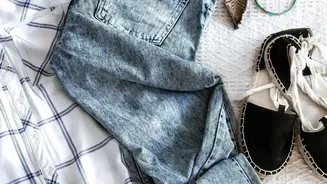
With a clear view of your closet's contents, you can start to spot the gaps. A wardrobe gap is a specific item that, if you had it, would make multiple other pieces more wearable. A tell-tale sign of a gap is repeatedly thinking, “This outfit would be perfect if only I had a…” Maybe you have beautiful skirts but no simple tops to pair them with, or you own great blazers but lack a classic pair of jeans to dress them down. These missing links are your gaps. Focus on what would serve your actual daily life, not a fantasy version of it.
Step 3: Create a Specific, Actionable List
Now, it's time to write it down. A mental list is too easy to ignore when faced with a tempting sale. Be as specific as possible. Instead of just writing “new jeans,” define exactly what you need: “high-waisted, straight-leg, dark-wash denim jeans in a sturdy fabric.” This level of detail acts as a filter. It forces you to consider if a potential purchase truly meets your needs or if you're just being swayed by clever marketing. Keep this list on your phone or in a notebook so it’s always accessible when you feel the urge to shop.
Putting Your List Into Action
Your list is your new shopping guide. Before you buy anything, ask yourself a simple question: “Is this on my list?” If the answer is no, give yourself permission to walk away or close the browser tab. This simple checkpoint helps short-circuit the impulse to buy. It encourages a pause, allowing you to move from an emotional reaction to a logical decision. This doesn’t mean you can never buy something spontaneously, but it ensures that the majority of your purchases are thoughtful and add real value to your wardrobe.
The Long-Term Benefits of Mindful Shopping
Adopting this method yields benefits far beyond a more organised closet. You’ll save money by avoiding unnecessary purchases and direct your funds toward higher-quality pieces that last longer. By focusing on what you truly need, you’ll develop a more cohesive and authentic personal style. Getting dressed becomes easier and less stressful when your closet is filled with items that work together. Ultimately, shopping with intention is a more sustainable approach, reducing waste and creating a wardrobe that truly serves you.