

The Allure of Natural Materials
There's an innate human pull towards nature, a concept known as 'biophilia'. Incorporating natural elements like wood into our homes taps into this, creating spaces that feel calming and grounding. Studies have shown that being surrounded by natural wood can
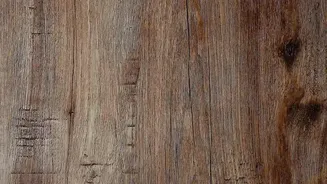
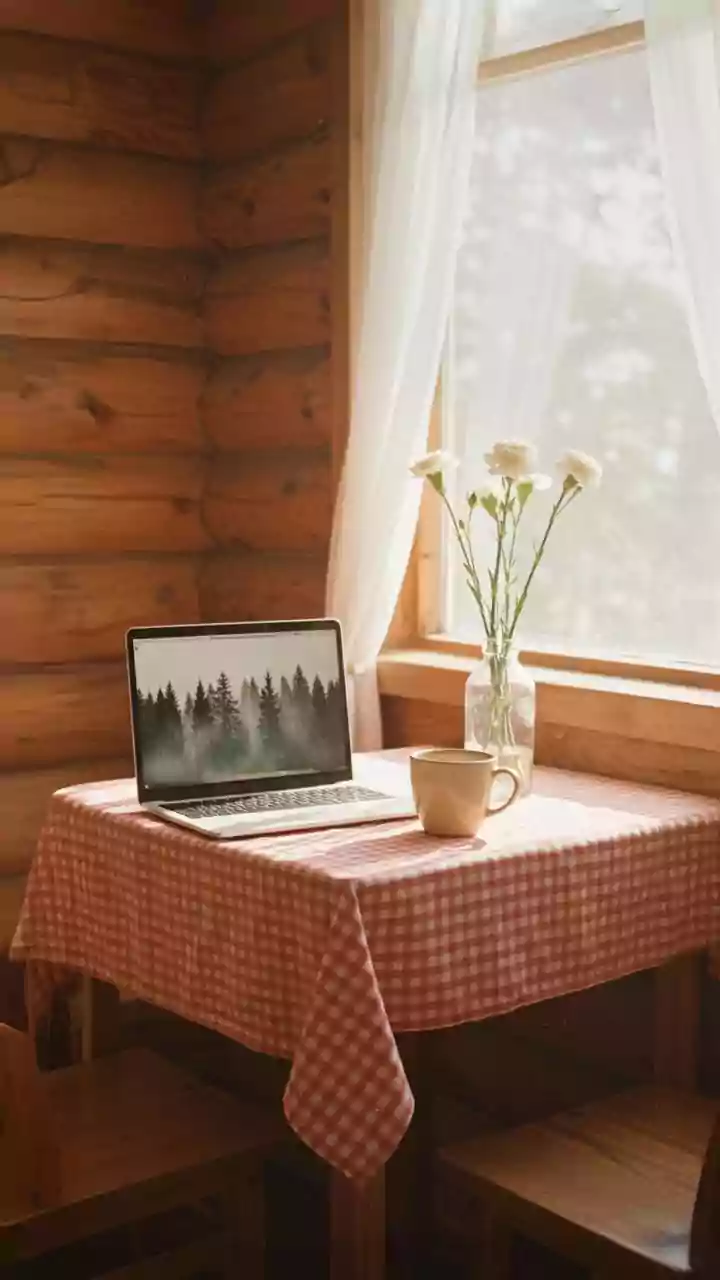
reduce stress and promote a sense of well-being. Unlike cold, synthetic materials, wood has a visual and tactile warmth. Its unique grain patterns, knots, and tones mean no two pieces are exactly alike, adding a layer of authenticity that mass-produced items lack. This connection to the natural world provides a welcome contrast to our often-hectic, screen-filled lives.
Start With a Statement Piece
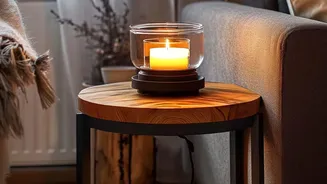
The easiest way to introduce rustic wood without overwhelming a modern room is to start with a single, significant piece. Think of it as the anchor for your space. A live-edge dining table, a reclaimed timber mantelpiece, or a solid wood headboard can serve as a stunning focal point. By choosing one dominant rustic item, you create a clear design statement. The key is to then surround it with more contemporary elements. Pair that rough-hewn table with sleek, modern chairs, or place a minimalist vase on top of that chunky wooden sideboard. This contrast is what makes the style work, preventing the room from feeling like a log cabin.
Balance is Everything
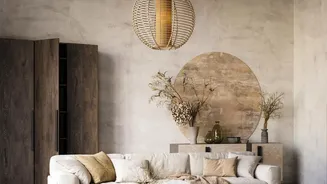
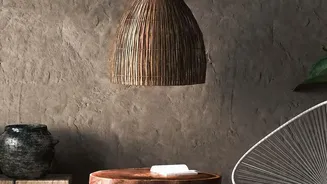
The magic of the modern-rustic look lies in the balance between old and new, rough and smooth. The goal is not to match everything, but to create a harmonious contrast. Pair the rugged texture of a reclaimed wood coffee table with a soft, plush sofa. Use a neutral colour palette—soft whites, greys, and beiges—as a backdrop to let the warm wood tones shine. Introduce modern materials like metal, glass, and polished concrete to keep the look fresh and prevent it from feeling too heavy. Black or dark metal accents, such as in light fixtures or table legs, can provide a sharp, contemporary edge that defines the space and makes the wood's warmth stand out even more.
Mind the Finish and Type of Wood
Not all wood is created equal, and the type you choose will significantly impact the room's feel. Popular choices for rustic furniture include pine for its affordability and visible knots, oak for its durability and rich grain, and walnut for a darker, more sophisticated feel. Reclaimed wood, with its history and imperfections, offers unmatched character. The finish is just as important. A rough-sawn or live-edge piece feels more raw and organic, while a smooth, polished finish can give a rustic wood a more refined, contemporary look. Consider how different woods and finishes interact. Mixing two different wood tones can add more depth than trying to match everything perfectly.
Accessorise with Smaller Touches
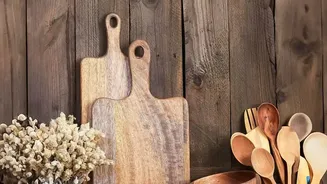
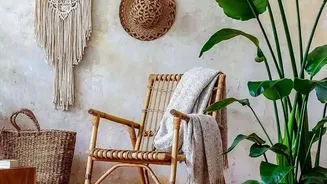
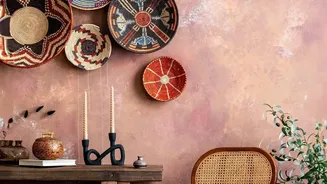
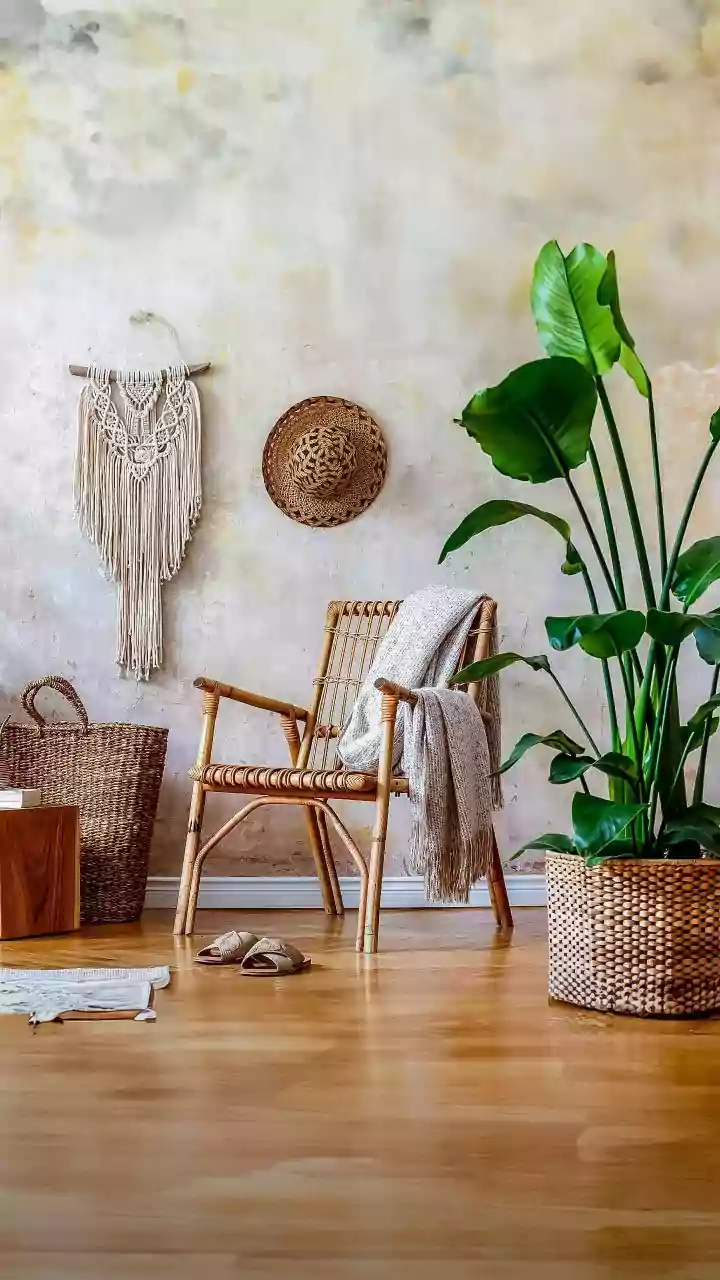
If a large piece of furniture feels like too much of a commitment, you can still bring in rustic warmth through smaller accessories. These details are a great way to experiment with the style without a big investment. Think about wooden bowls on a kitchen counter, chunky wooden picture frames, or floating shelves made from reclaimed timber. Even displaying a neat stack of firewood in a modern, minimalist nook can create a powerful visual contrast. Layering textures through woven baskets, wool throws, and linen cushions complements the wood and completes the cosy, inviting atmosphere.