








Beyond the Beaches, A Greener Goa Awaits
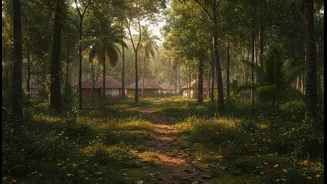
For decades, Goa's identity has been tied to its golden coastline. But beyond the bustling shores of Anjuna and Calangute lies a different world: the hinterlands. This is a Goa of emerald paddy fields, dense forests, tumbling waterfalls, and sleepy villages
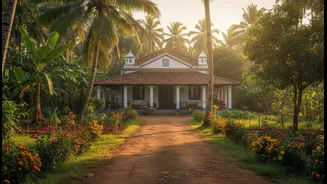
rich with Portuguese-era architecture. A growing movement is now inviting travellers to explore this serene heartland, not just as a day trip, but as a destination in itself. Spearheading this shift is a network of family-run homestays that offer more than just a place to sleep; they offer an immersion into a more authentic, slower way of life. This pivot inland is a conscious effort to distribute the economic benefits of tourism more evenly and reduce the immense pressure on the state's popular coastal belt.
The Sustainable Heart of Hinterland Stays
What makes these homestays a cornerstone of sustainable tourism is their deep integration with the local ecosystem and economy. Many are built within existing family homes, preserving traditional Goan architecture and minimising the environmental footprint associated with new construction. The ethos is hyper-local. Menus are often crafted from ingredients grown on-site or sourced from neighbouring farms, creating a genuine farm-to-table experience and supporting local agriculture. These establishments often implement practices like rainwater harvesting and waste reduction. For travellers, this translates into a more meaningful stay, knowing their visit contributes directly to the local community and the preservation of the natural environment they've come to enjoy.
Powering a Year-Round Rural Economy
Goa's coastal tourism has traditionally been seasonal, leading to a boom-and-bust cycle that leaves many without a stable income during the off-season monsoon months. The rise of hinterland tourism directly counters this. By rebranding the monsoon not as an off-season but as a peak time for experiencing a lush, rejuvenated Goa, these homestays create year-round employment. The government has actively supported this through its Homestay and Bed & Breakfast Scheme, which provides financial grants and marketing support to rural entrepreneurs, with a special focus on empowering women. This initiative aims to create self-employment, preserve cultural heritage, and channel tourism revenue from urban centres into rural areas, fostering a more resilient and inclusive economy.
Authentic and Safe Cultural Immersion
The experience at a hinterland homestay is inherently personal and safe. Away from the tourist crowds, guests interact closely with their hosts, offering a unique window into Goan culture. Activities are centred around the local environment and traditions. Guests might find themselves on a guided tour of a spice plantation, learning to cook traditional Goan dishes, trekking to a hidden waterfall like Dudhsagar, or simply enjoying the tranquility of village life. The monsoon, once a deterrent, is now the main attraction, with activities like white-water rafting on the Mhadei River gaining popularity. This model of tourism is safer in its essence—offering a controlled, community-vetted environment that prioritises genuine connection over commercial transactions.
A Regenerative Model for the Future
The success of Goa's hinterland homestay movement is being watched as a potential model for regenerative tourism across India. The focus is not just on sustaining the environment, but on actively improving it and ensuring that tourism enriches local communities. The Goa government’s official policies, including the 'Goa Beyond Beaches' campaign and the Homestay Scheme, signal a long-term commitment to this vision. By classifying homestays into Gold and Silver categories, the state is also ensuring quality and standardisation for visitors. This shift demonstrates that travel can be a powerful force for good, creating a circular economy where visitors get an authentic experience and residents gain sustainable livelihoods while preserving their culture and environment.