






The Big Change: A Repo Rate Hike
The RBI's Monetary Policy Committee (MPC) has increased the repo rate by 25 basis points (or 0.25%) to 5.50%. This is the first time the rate has been hiked since February 2023. In simple terms, the repo rate is the interest rate at which the RBI lends
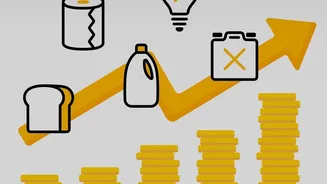
money to commercial banks. When this rate goes up, it becomes more expensive for banks to borrow money. Consequently, banks pass on this increased cost to their customers by raising interest rates on loans. The central bank has made this move to tackle rising inflation, which has been a persistent concern. RBI Governor Sanjay Malhotra noted that inflation has become more generalized and that rate cuts are off the table for now, signalling a period of 'calibrated tightening'.
What It Means for Your Loans
If you are a young earner with a home loan, car loan, or personal loan, this rate hike will likely affect your monthly budget. Most floating-rate loans today are linked to an external benchmark, which is often the repo rate. This means your loan's interest rate will increase. For example, a 0.25% increase on a Rs 40 lakh home loan with a 25-year tenure could increase your monthly EMI by around Rs 654. When the rate increases, lenders typically give you two options: increase your EMI while keeping the loan tenure the same, or keep the EMI constant and extend the repayment period. While a longer tenure might seem easier on your wallet month-to-month, it means you will pay significantly more in total interest over the life of the loan. If your cash flow allows, opting for a higher EMI is generally the more cost-effective choice. New borrowers should also be prepared for higher interest rates when they apply for loans.
The Impact on Your Savings
While borrowing gets more expensive, there's a silver lining for savers. A higher repo rate environment usually prompts banks to increase interest rates on their savings products to attract more deposits. This means you can expect better returns on your Fixed Deposits (FDs). Banks will likely revise their FD rates upwards in the coming weeks. However, this doesn't affect your existing FDs, as their rates are locked in. The new, higher rates will apply only to new deposits or renewals. This could be a good time to consider locking in your savings in FDs to take advantage of the rising rates. Besides FDs, you might also see better returns from certain debt mutual funds, particularly those that invest in short-term instruments. Financial advisors suggest that funds with a maturity of 2-4 years could be attractive right now.
How to Adjust Your Budget
This policy shift is a clear signal to review your personal finances. First, factor in the higher EMI payments. Use an online EMI calculator to understand the exact impact on your loan and adjust your monthly budget accordingly to accommodate the increased outflow. This might mean cutting back on discretionary spending. Second, re-evaluate your savings strategy. With FD rates expected to rise, it might be a good time to move some surplus cash from a low-interest savings account into a fixed deposit. Consider a 'laddering' approach, where you split your investment into FDs of different tenures. This ensures that you have liquidity and can reinvest parts of your money at potentially even higher rates in the future. Finally, if you have any high-interest debt, like credit card balances, prioritize paying it off as the interest on such debt is also likely to climb.