

What Makes Milk Bread Different?
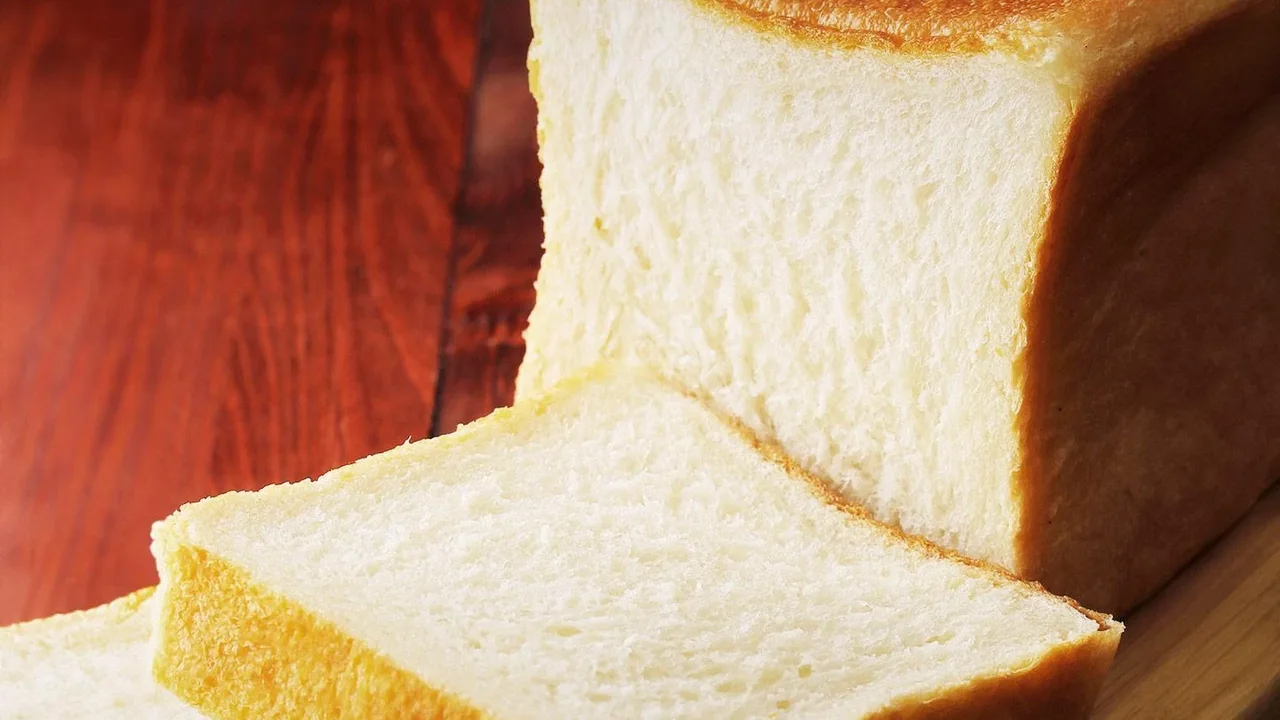
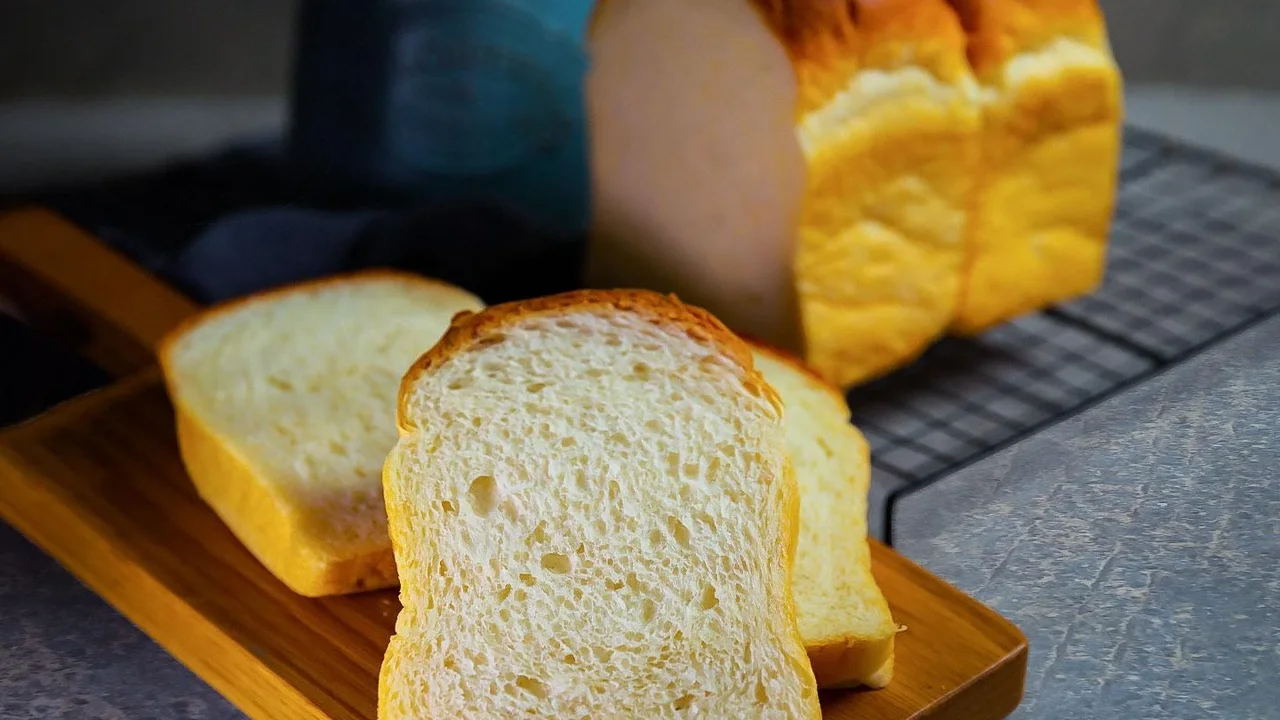
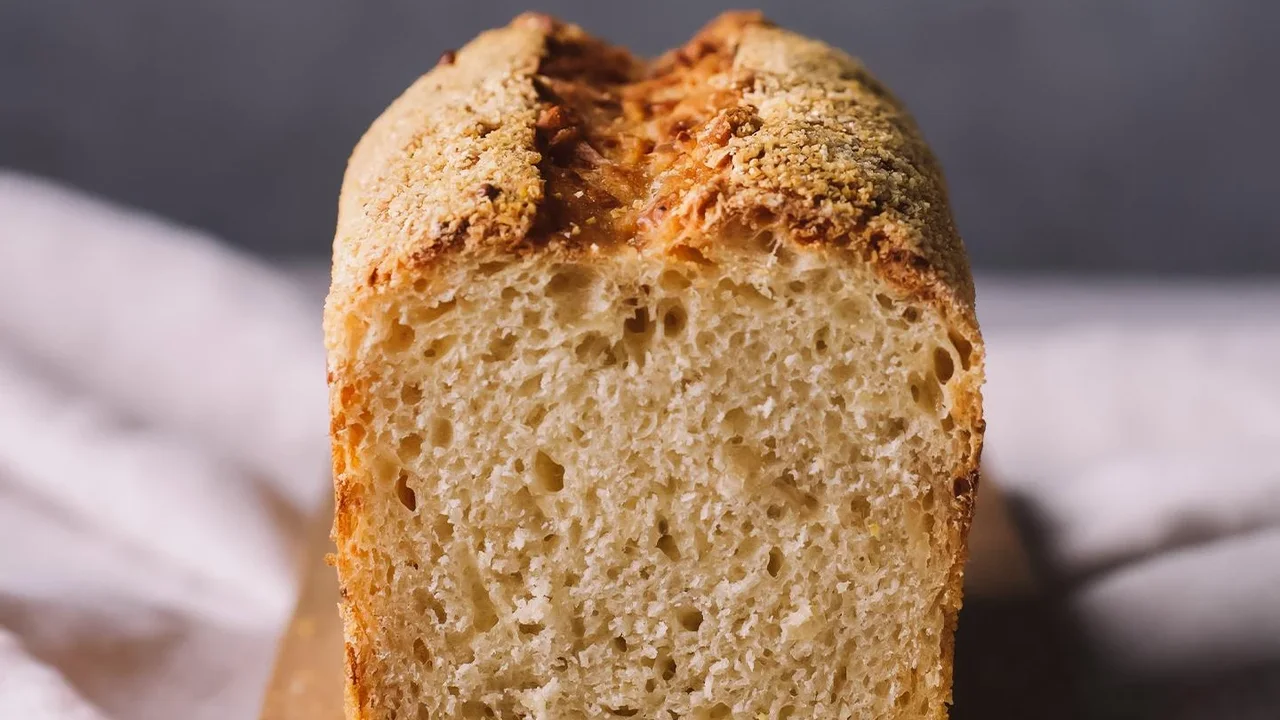
At first glance, shokupan might look like a simple white loaf, but its texture is what sets it apart. It’s incredibly soft, moist, and pillowy, with a dense yet delicate crumb that’s slightly chewy. The flavour is subtly sweet from the milk and sugar,
making it delicious enough to eat on its own, unlike many Western-style sandwich breads. Often baked in a special lidded pan to create its signature square shape, its appearance is as distinctive as its taste. This unique combination of a light, bouncy texture and a faintly sweet flavour profile has made it a staple in Japan, where it's a common breakfast and lunch item.
The Secret is a Special Baking Technique
The magic behind shokupan’s signature softness lies in a technique involving a 'water roux', known as either tangzhong (Chinese) or yudane (Japanese). This method involves cooking a small portion of the recipe's flour and liquid (water or milk) into a thick paste before adding it to the rest of the dough ingredients. This process gelatinizes the starches in the flour, allowing the dough to absorb and hold onto significantly more moisture. The result is bread that is exceptionally soft, has a more tender crumb, and stays fresh for longer than conventionally made loaves. It's a simple but brilliant piece of food science that transforms the final product.
From Post-War Staple to Artisanal Star
While bread isn't a traditional part of Japanese cuisine, it became widespread after World War II when wheat was supplied as part of relief efforts. Over time, Japanese bakers adapted the foreign food to local tastes, creating the soft, slightly sweet loaf known today as shokupan, which translates to 'eating bread'. Recently, Japan has experienced a 'shokupan boom,' with a renewed appreciation for artisanal foods. Speciality bakeries dedicated to perfecting the humble loaf have popped up, attracting food enthusiasts eager for a high-quality version of this everyday staple. This artisan revival has helped propel it onto the global stage.
A Highly Versatile Loaf
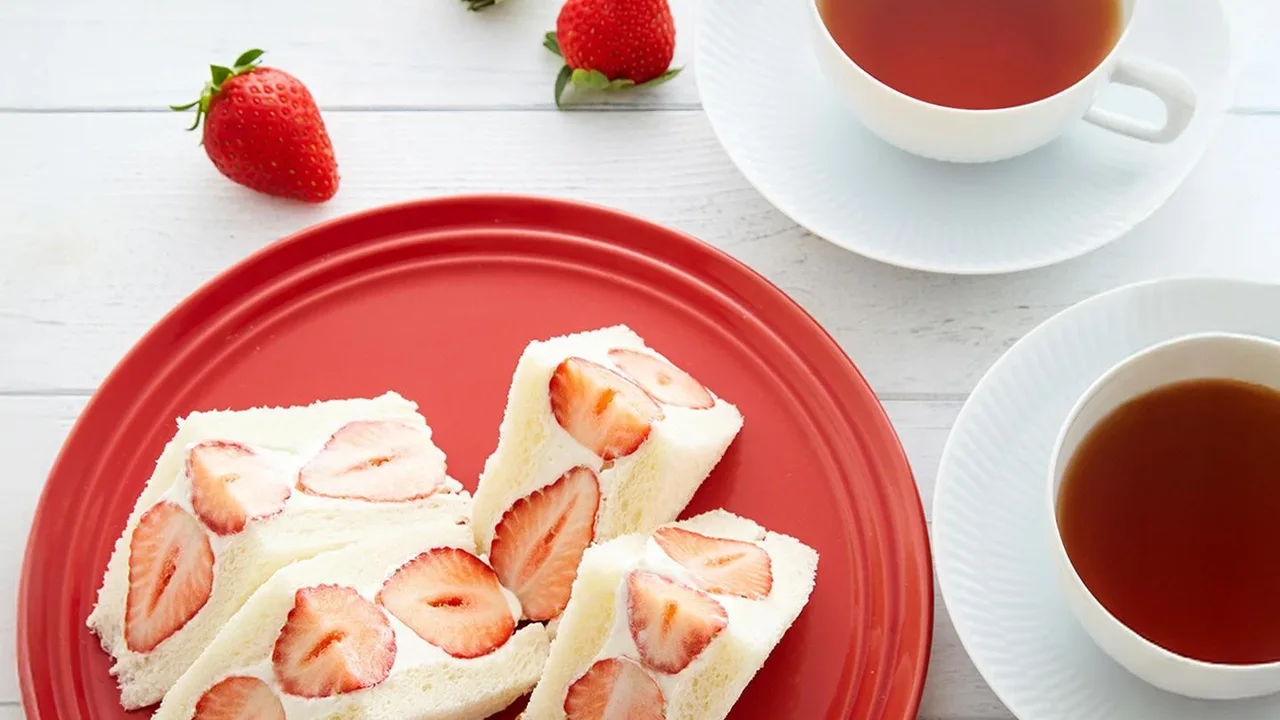
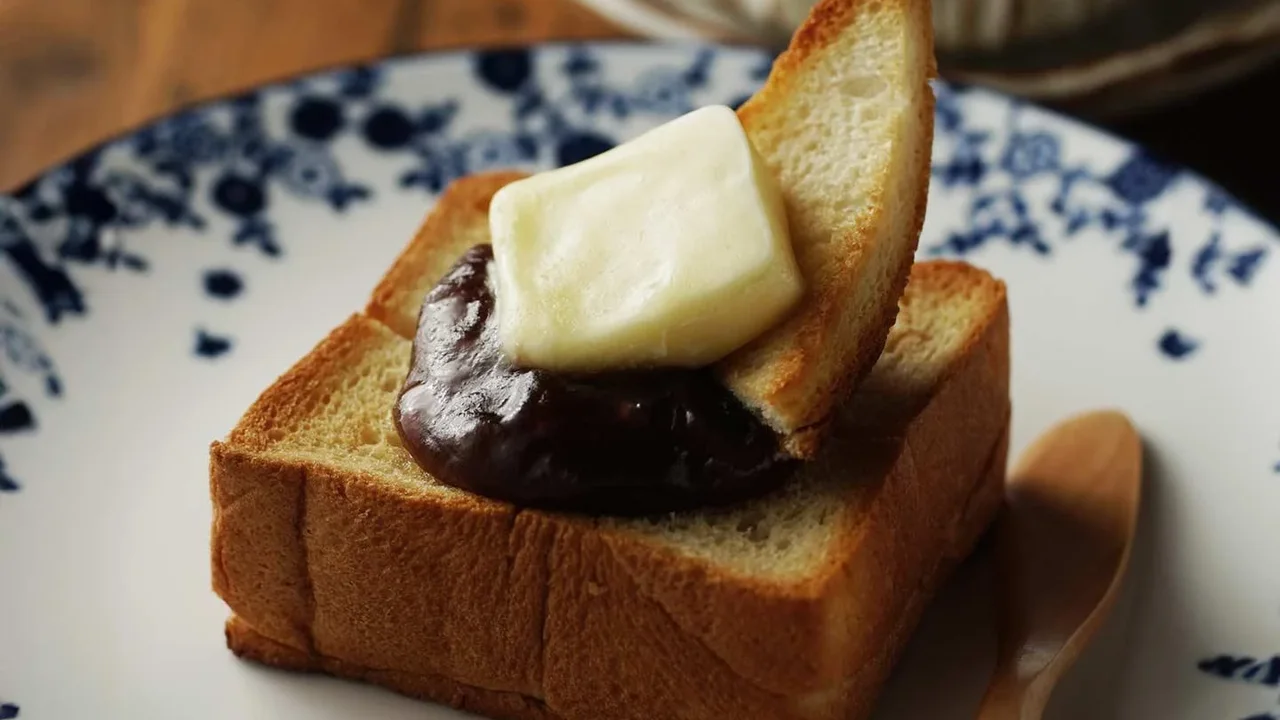
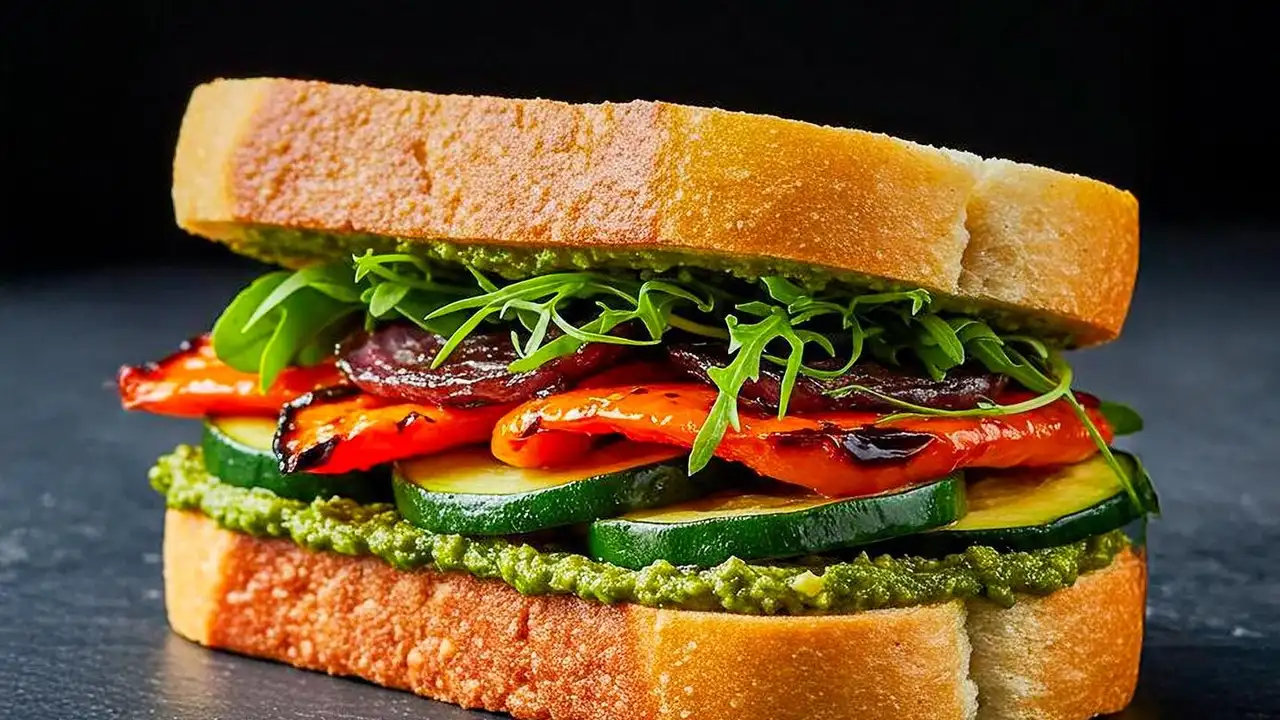
Another reason for its booming popularity is its incredible versatility. Shokupan is not just for toast with butter and jam. Its sturdy but soft structure makes it the perfect vehicle for sandwiches, from savoury options to the iconic fruit 'sandos' (fruit and cream sandwiches). It’s a foundational element for the popular katsu sando (pork cutlet sandwich). The thick slices are also ideal for making decadent French toast or bread pudding, as they soak up custard beautifully without falling apart. Its ability to pair well with both sweet and savoury fillings makes it a flexible favourite in cafes and homes alike.
The Trend Arrives in India
The global fascination with Japanese cuisine, from ramen to sushi, has paved the way for shokupan's arrival in India. Micro-bakeries and specialty cafes in cities like Bangalore and New Delhi have begun offering fresh-baked shokupan, introducing the cloud-like bread to a new audience. These establishments often bake in small batches, focusing on quality ingredients and traditional methods like tangzhong. As Indian diners continue to explore global food trends, the unique texture and comforting flavour of Japanese milk bread are finding a receptive and enthusiastic market, promising that this is one trend with staying power.