


Why Start With Bodyweight?
Bodyweight training is the perfect starting point for beginners because it's accessible, effective, and completely free. It removes common barriers like cost and travel time, allowing you to focus on the most important part of fitness: consistency. These
exercises build functional strength, meaning they train your muscles to handle everyday tasks like lifting heavy objects or maintaining good posture at your desk. By mastering basic movements without added weight, you can focus on proper form, which is crucial for preventing injury and building a solid foundation for future progress.
The Warm-Up: Prime Your Body
Never skip a warm-up. Preparing your muscles for exercise increases blood flow and flexibility, significantly reducing the risk of injury. A simple 5-10 minute warm-up is all you need. Start with light cardio like jogging in place or doing jumping jacks. Follow this with dynamic stretches such as arm circles, leg swings, and torso twists to loosen your joints and get your body ready for the work ahead.
Upper Body Strength: Push-Ups
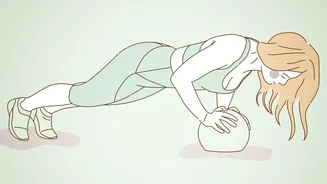
The push-up is a classic for a reason: it targets your chest, shoulders, and triceps all at once. To start, get into a high plank position with your hands directly under your shoulders. Keep your body in a straight line from your head to your heels, engage your core, and lower your body until your chest is a few inches from the floor. Then, push back up to the start. If a full push-up is too challenging, begin by doing them on your knees or against a wall. Focus on controlled movements rather than speed.
Lower Body Power: Squats and Lunges
Bodyweight squats are fundamental for building strength in your legs and glutes. Stand with your feet shoulder-width apart, keep your chest up, and sit back as if you're lowering into a chair. Ensure your knees track in line with your feet and don't extend past your toes. Lunges are another excellent lower-body exercise that also improves balance. Step one foot forward and lower your hips until both knees are bent at a 90-degree angle, then return to the starting position and switch legs.
Core Stability: The Plank
A strong core is the foundation of a strong body, and the plank is one of the best exercises to build it. It works not just your abs but also your back and shoulders, promoting better posture. To perform a plank, hold your body in a straight line from your head to your heels, resting on your forearms or hands. It's crucial to keep your core engaged and prevent your hips from sagging. Beginners can start by holding the position for 15-20 seconds and gradually increase the time as they get stronger.
Back and Glutes: The Glute Bridge
This exercise is excellent for activating your glutes and strengthening your lower back. Lie on your back with your knees bent, feet flat on the floor hip-width apart, and your arms by your sides. Squeeze your glutes and lift your hips off the floor until your body forms a straight line from your shoulders to your knees. Hold for a moment at the top before slowly lowering back down. This movement helps counteract the effects of sitting for long periods.
Putting It All Together: Your Beginner Routine
Consistency is more important than intensity when you're starting out. Aim to perform this full-body workout two to three times per week on non-consecutive days to allow your muscles time to recover. A great starting point for a circuit is to perform each exercise for 10-12 repetitions (or hold the plank for 20-30 seconds), then move to the next. Rest for 60-90 seconds after completing all exercises, and repeat the entire circuit for a total of three rounds.