



More Than Just a Condiment
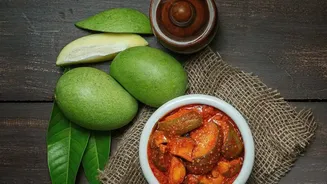
In India, pickles, or 'achar', are not merely a side dish; they are a cherished culinary tradition, a method of preserving seasonal abundance, and a testament to regional biodiversity. While mango and lime pickles are famous nationwide, countless local
variations use foraged ingredients like tart berries, fibrous roots, and unique shoots. These pickles, passed down through generations, are now being viewed through a modern nutritional lens, revealing a wealth of health benefits that extend far beyond their delightful taste. They represent a connection to ancient food wisdom, where what grew in the wild was transformed into something that could nourish the family for months.
The Probiotic Power of Fermentation
Many traditional Indian pickles are made through natural fermentation, a process that creates a thriving ecosystem of beneficial bacteria, or probiotics. Unlike commercially produced pickles that often use vinegar to speed up preservation, traditionally made achar relies on salt and sometimes sunlight to encourage the growth of lactic acid bacteria. These microorganisms are essential for gut health. A healthy gut microbiome is linked to improved digestion, stronger immunity, and better nutrient absorption. By consuming these fermented foods, you are introducing 'good' bacteria into your digestive system, which helps maintain a healthy balance and can combat issues like bloating and indigestion.
Spotlight on Wild Ingredients
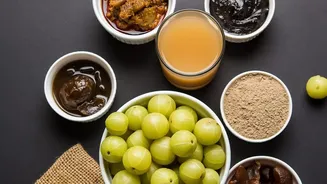
The true nutritional stars of these regional pickles are the wild ingredients themselves. Consider the Karonda (Carissa carandas), a tart berry often found growing wild in the Himalayas and other regions. It is exceptionally rich in vitamin C and iron, and packed with antioxidants that combat cellular damage. Another example is Gunda, or Gumberry, a sticky fruit popular in Rajasthani and Gujarati pickles. It is believed to have a cooling effect on the body and aids in digestion. In the Northeast, fermented bamboo shoots are a dietary staple. These pickles are low in fat, high in dietary fibre, and contain compounds with antioxidant and anti-inflammatory properties. Similarly, pickles made from lotus root or other foraged roots provide essential minerals and fibre.
A Synergy of Nutrients
The health benefits of these pickles come from a powerful synergy. First, you have the raw, wild ingredient, which is often more nutrient-dense than its cultivated counterparts. Second, the fermentation process not only creates probiotics but can also increase the bioavailability of certain vitamins and minerals, making them easier for the body to absorb. Finally, the spices used in pickling—such as turmeric, fenugreek, mustard seeds, and asafoetida—are medicinal in their own right. Turmeric contains curcumin, a potent anti-inflammatory compound, while fenugreek can aid digestion and help regulate blood sugar. This combination turns a simple pickle into a complex, functional food.
The Modern Plate Revival
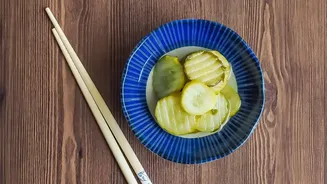
Chefs and nutrition enthusiasts are now looking back to these traditional preparations, recognizing their value in the modern diet. These wild pickles are no longer just for pairing with dal and rice. They are being creatively incorporated into a variety of dishes, from marinades for paneer and chicken to flavouring for yogurt dips and even as a topping for sandwiches and salads. This revival is not just about flavour; it is about embracing a food that is both deeply traditional and perfectly aligned with contemporary wellness goals focused on gut health, natural ingredients, and nutrient density. By exploring these regional specialties, we are not just discovering new tastes, but also reconnecting with a more sustainable and nutritionally wise way of eating.