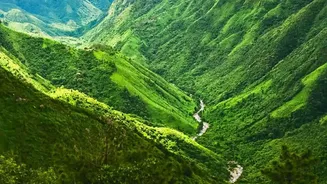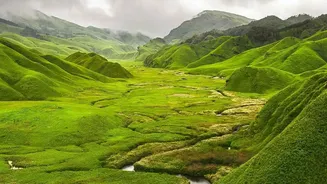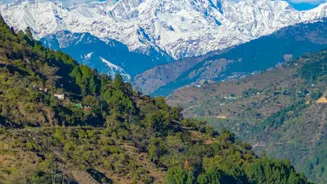

In a world that constantly rushes, Arunachal Pradesh invites you to slow down. Its vast, untouched valleys offer a rare chance to disconnect and truly see. For nature photographers and slow travellers, this is a paradise waiting to be explored.
Ziro Valley: A Cultural Tapestry
Ziro Valley,
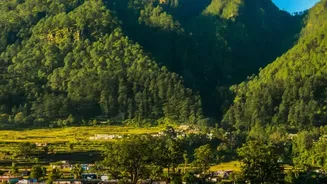
a candidate for UNESCO World Heritage status, is a masterpiece of culture and nature intertwined. It is the home of the Apatani people, whose unique and sustainable agricultural system combines wet rice cultivation with fish farming, creating a stunning patchwork landscape that is a dream for photographers. The valley isn't just about grand vistas; it's about the details. Slow travel here means walking through traditional villages like Hong, Bamin, and Dutta, observing the intricate bamboo architecture, and understanding a way of life that has coexisted with nature for centuries. For photographers, the early morning mist hanging over the paddy fields, the textures of the wooden houses, and the portraits of the Apatani people (always with permission) offer endless inspiration. Beyond the visuals, the quiet rhythm of Ziro encourages visitors to linger, making it a premier destination for those looking to experience a place deeply rather than just see it.
Sangti Valley: The Quiet Escape
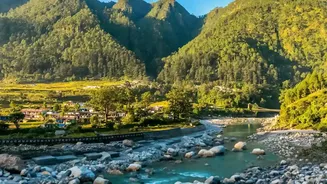
Just a short detour from the main route to Tawang lies Sangti Valley, one of Arunachal's best-kept secrets. Cradled by the Eastern Himalayas, this serene valley is characterized by its crystal-clear river, fruit orchards, and traditional Monpa villages. Unlike more popular destinations, Sangti remains largely untouched by commercial tourism, making it an ideal spot for slow travellers seeking genuine tranquility. Nature photographers are drawn to its pristine landscapes, from the meandering river to the rustic wooden bridges. In winter, the valley becomes a haven for birdwatchers, as it hosts the rare and revered Black-necked Crane. Spending time here means riverside picnics, gentle walks through farmland, and experiencing the warm hospitality of the local Monpa community. It’s a place that proves the most rewarding journeys are often found off the beaten path.
Mechuka: The Remote 'Switzerland of the East'
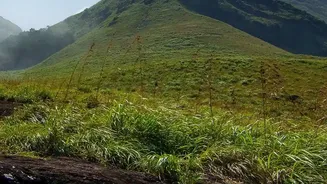
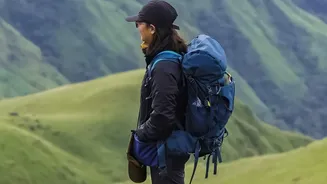
Reaching Mechuka is an adventure in itself, but the reward is a breathtaking alpine paradise that feels worlds away from everything. Tucked away near the Indo-Tibetan border, this wide, grassy valley is often called the 'Switzerland of the East' for its pristine beauty, wooden houses, and snow-dusted peaks. For slow travellers, Mechuka offers a profound sense of isolation and discovery. The pace of life is unhurried, dictated by the seasons. The main attractions are not monuments but experiences: walking across the hanging bridges over the Siyom River, visiting the 400-year-old Samten Yongcha monastery, and exploring the remote Memba and Adi tribal villages. Photographers will find a dramatic landscape at every turn, from the majestic mountains to the wild horses grazing in the meadows. The journey is long and requires planning, but for those who make it, Mechuka offers an unforgettable escape into one of the Himalayas' most stunning and secluded corners.
Dibang Valley: Raw and Untamed Wilderness
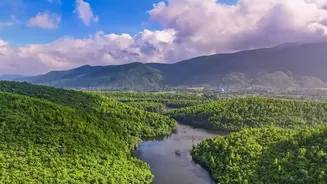
For the truly adventurous photographer and traveller, Dibang Valley offers a journey into one of India's last wild frontiers. As the state's largest district with its lowest population density, it is a land of raw, untamed beauty. The region is a biodiversity hotspot, with dense forests, thundering rivers, and a staggering variety of flora and fauna, including rare species like the Mishmi Takin. The journey to Anini, one of the main towns, is an experience in itself, winding through dramatic, mossy landscapes. Slow travel here is about immersion in pure nature—trekking to newly discovered high-altitude lakes, kayaking on the Dri river, and exploring the culture of the Idu Mishmi community. For photographers, the opportunities are immense, from capturing the power of cascading waterfalls to the serene beauty of misty alpine meadows and the unique wildlife. Dibang Valley is not for the faint of heart, but it offers an unparalleled experience of nature in its most powerful form.
Planning Your Trip
A trip to Arunachal Pradesh requires some planning. All Indian citizens who are not residents of the state must obtain an Inner Line Permit (ILP) before entering. This can be easily applied for online through the official government portal. The journey to these remote valleys is often long, with roads that can be challenging, so it’s wise to build extra days into your itinerary. Hiring a robust vehicle with a knowledgeable local driver is highly recommended. The best time to visit most of these valleys is between October and May, but always check local conditions before you travel, as weather can be unpredictable. Accommodations range from basic homestays to guesthouses, offering an authentic way to experience the local culture and hospitality.