
The Story of Origin
Just like with wine, the place where tea is grown has a huge impact on its final flavour. This concept is known as 'terroir' and it includes the soil, climate, altitude, and even the surrounding plant life. A tea's origin tells a story. A Darjeeling from
the high altitudes of the Himalayas will taste different from a robust Assam grown in a tropical river valley. Terms like 'single-origin' mean the tea comes from one specific place, offering a pure expression of that region's unique characteristics. Labels that name a specific estate or region, such as Uji in Japan or Ceylon from Sri Lanka, are often signs of a higher quality, specialty product. This connection to place is what gives a tea its authentic and distinct profile.
Reading the Ingredients List
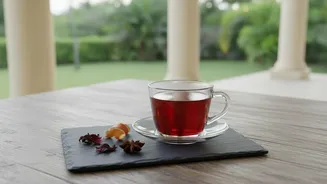
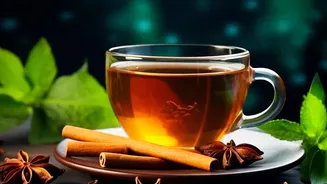
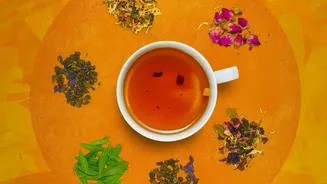
A quick look at the ingredients can tell you almost everything you need to know about a tea's quality. Ideally, the list should be short and recognisable. For a pure tea, it should simply name the type of tea leaf. For a blend, look for whole, natural additions. These are often called 'inclusions' and can be things like real fruit pieces, spices like cinnamon or ginger, and flower petals such as rose or lavender. Be wary of vague terms like 'natural flavouring' or 'artificial flavouring'. While not always bad, these are often used to mask lower-quality base tea leaves. The best teas let the quality of the leaf and the real botanicals do the talking. If the ingredients list is long and full of words you can't pronounce, it might be best to choose another option.
Decoding Caffeine Content
All 'true' teas come from the Camellia sinensis plant and naturally contain caffeine. However, the amount varies significantly based on the type of tea and how it is processed. As a general rule, black tea has the most caffeine, typically around 40-70 mg per cup, which is still less than half the amount in a standard coffee. Oolong tea follows, with about 30-55 mg. Green tea usually contains between 20-45 mg, while delicate white tea has the least of all, often just 15-20 mg per cup. It is important to note that matcha, a powdered green tea, is a high-caffeine exception because you consume the entire leaf. Herbal infusions, or tisanes, such as chamomile, peppermint, and rooibos, are generally caffeine-free, making them a perfect choice for the evening. However, some herbals like yerba maté do contain caffeine, so it is always wise to check the label.
Watch for Added Sweetness
Many people turn to tea as a healthy alternative to sugary drinks, but some teas can contain a surprising amount of hidden sugar. This is especially true for ready-to-drink bottled teas and some commercial blends. A single bottle of sweetened iced tea can contain over 30 grams of sugar. When reading labels, be aware that sugar can go by many names, including dextrose, fructose, corn syrup, cane juice, and agave nectar. If you see any of these listed as one of the first few ingredients, the product is likely high in added sugar. To control the sweetness yourself, it is always best to opt for unsweetened loose-leaf teas or tea bags. Ingredients like licorice root or cinnamon can add a natural sweetness to a blend without any added sugar or calories.