




Why More Fibre Matters
Dietary fibre, found in plant-based foods, is crucial for a healthy lifestyle. It is best known for preventing constipation, but its benefits go much further. A high-fibre diet can help maintain a healthy weight by making you feel fuller for longer. It also
plays a key role in improving blood sugar levels, lowering cholesterol, and reducing the risk of chronic diseases. Most Indian adults consume less than the recommended 30 grams per day, often due to a reliance on refined grains. Simple pantry changes can help close this gap.
Swap Refined Flour for Whole Grains
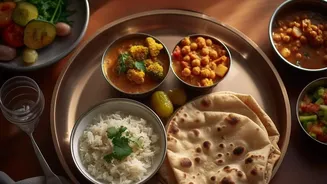
The foundation of many Indian meals, from rotis to parathas, is flour. Instead of using refined maida, which is stripped of its nutrients, make the switch to whole wheat atta. For even more variety and nutrition, explore other traditional flours like jowar (sorghum), bajra (pearl millet), and ragi (finger millet). These flours are not only higher in fibre but also packed with essential minerals. A simple swap from a naan made with white flour to a chapati made with wholemeal flour can significantly increase your fibre intake. Try a multigrain atta or mix these flours with your regular atta to gradually introduce them into your family's diet.
Trade White Rice for Millets and Brown Rice
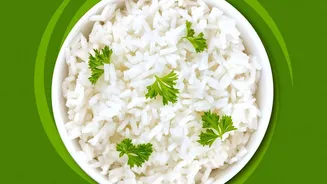
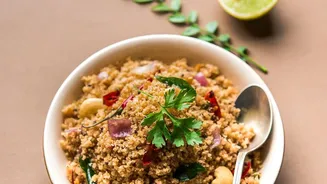
White rice is a staple, but the polishing process removes most of its fibre. Brown rice is a good first step, as it retains the fibre-rich bran. However, for a superior nutritional boost, embrace millets. Ancient grains like foxtail millet, pearl millet (bajra), and finger millet (ragi) are powerhouses of nutrition. They contain significantly more fibre than both white and brown rice, which aids digestion and promotes a feeling of fullness. Millets also have a lower glycemic index, which helps in managing blood sugar levels more effectively. You can cook them just like rice and serve them with your favourite dals and curries.
Replace Refined Sugar with Natural Alternatives
Cutting down on refined white sugar is one of the best things you can do for your health. While still a form of sugar that should be used in moderation, jaggery (gur) is a better choice. Unlike refined sugar, which provides empty calories, jaggery retains minerals like iron, potassium, and magnesium from the sugarcane juice. It also takes longer to digest, leading to a more gradual release of energy compared to the quick spike from white sugar. Crushed dates or date syrup can also be used as a natural, fibre-containing sweetener in desserts and porridges.
Switch from Potatoes to Sweet Potatoes
Both regular potatoes and sweet potatoes are nutritious, starchy vegetables. However, sweet potatoes often have a slight edge, especially when it comes to fibre. They contain more dietary fibre, which helps with digestion and keeps you feeling satisfied for longer. Sweet potatoes also boast a lower glycemic index, meaning they cause a slower rise in blood sugar. They are incredibly versatile and can be used in sabzis, curries, and snacks just like regular potatoes, adding a hint of natural sweetness and a vibrant colour to your dishes.
Opt for Legumes, Nuts, and Seeds
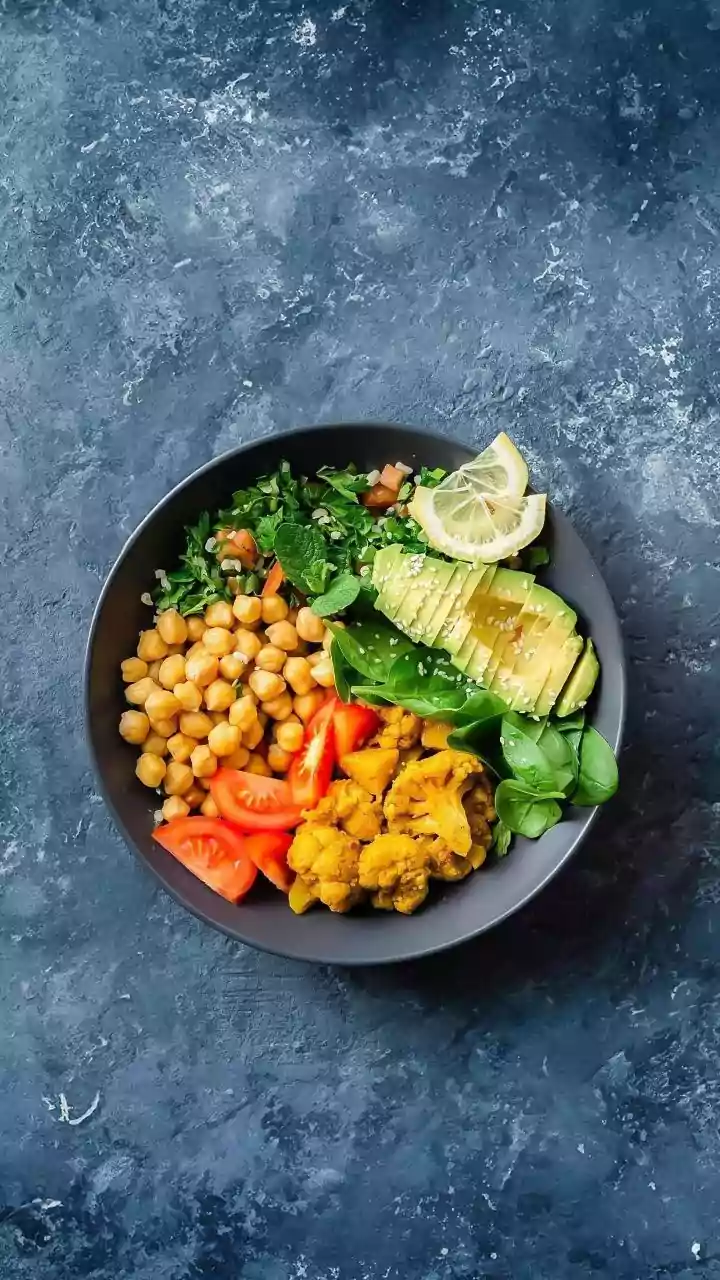
Many of us reach for packaged, processed snacks when hunger strikes. A healthier, more fibre-rich habit is to stock your pantry with legumes, nuts, and seeds. A handful of roasted chana, almonds, or walnuts makes for a filling and nutritious snack. Legumes like chickpeas (chana) and kidney beans (rajma) are excellent sources of both fibre and protein, making them a cornerstone of a healthy Indian diet. You can add them to salads, make them into curries, or blend them into hummus. They provide sustained energy and keep you from reaching for unhealthy options.