




Sabudana Khichdi from Maharashtra
A quintessential fasting dish, Sabudana Khichdi is a staple in Maharashtra during Shravan. Made from soaked tapioca pearls (sabudana), it’s a light yet filling preparation tossed with roasted peanuts, boiled potatoes, cumin seeds, and green chillies.
It provides a quick source of energy for those observing fasts, and its delightful texture has made it a beloved comfort food across the country. Often garnished with fresh coriander and a squeeze of lemon, it's a perfect example of how simple ingredients can create a satisfying meal.
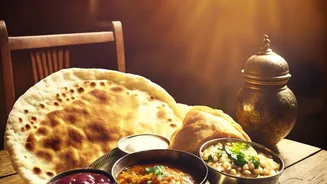
Kuttu ki Poori from North India
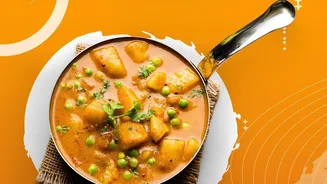
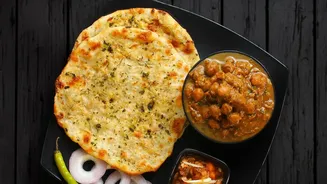
In states like Uttar Pradesh, Punjab, and Haryana, Sawan Mondays often feature meals made with kuttu ka atta, or buckwheat flour. Kuttu ki Poori is a deep-fried bread made from this gluten-free flour, often mixed with mashed potatoes to create a soft dough. These crisp, dark-hued pooris are typically served with a simple, flavourful potato curry (vrat wale aloo) cooked without onion or garlic, using only rock salt (sendha namak). This hearty combination provides sustained energy, making it an ideal meal after a day of fasting.
Farali Pattice from Gujarat
Gujarati cuisine shines during Sawan with its array of 'farali' (fasting) snacks. The Farali Pattice is a standout delicacy. These golden-fried patties feature a crispy outer layer of mashed potatoes that encases a sweet and spicy filling of grated coconut, roasted peanuts, raisins, and green chillies. The combination of textures and flavours—crispy, soft, sweet, and tangy—makes it an incredibly satisfying snack that showcases the state's creative approach to fasting food. It is often served with a vrat-friendly chutney.
Makhana Kheer from Bihar
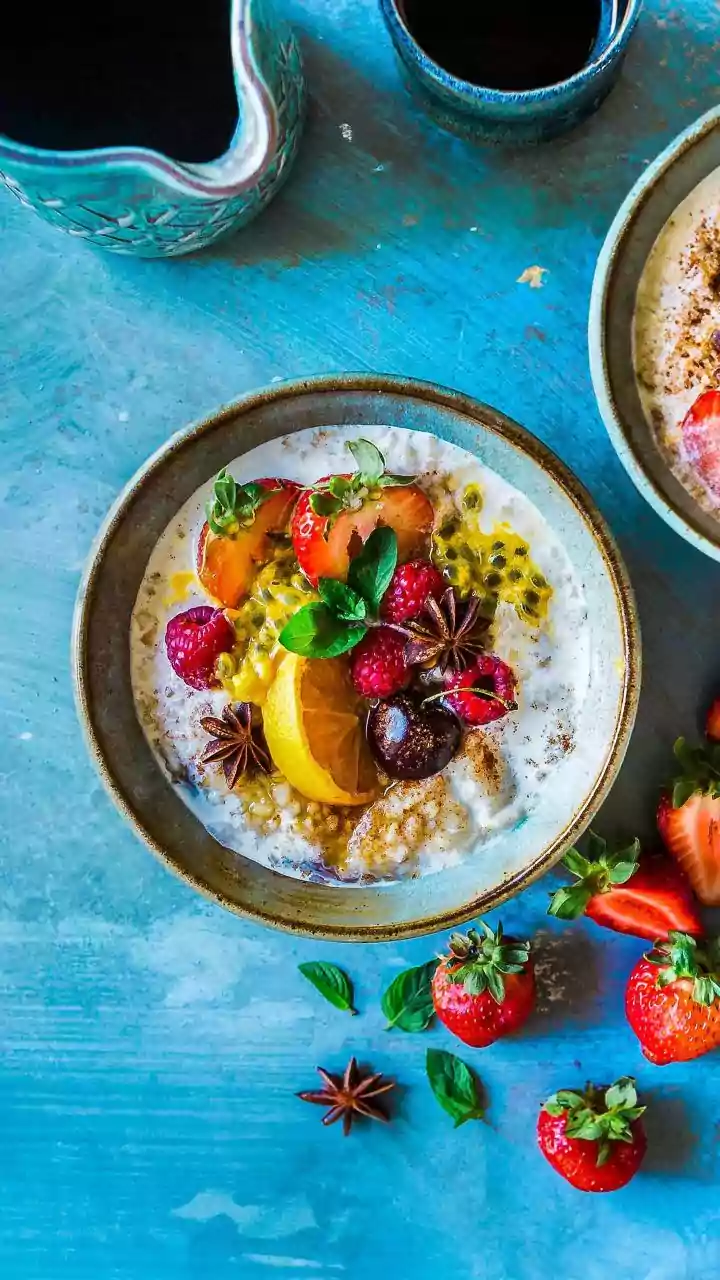
Bihar, a region known for its production of makhana (fox nuts), transforms this humble ingredient into a decadent dessert during Sawan. Makhana Kheer is a creamy pudding made by simmering roasted fox nuts in milk until they soften and the milk thickens. Scented with cardamom, sweetened with sugar or jaggery, and often garnished with nuts like almonds and pistachios, it’s a rich and nutritious sweet dish offered as prasad and enjoyed as a comforting post-fast treat.
Ghewar from Rajasthan
While enjoyed across North India, Ghewar is a quintessential Rajasthani sweet deeply associated with the festivals of Teej and Raksha Bandhan, which fall during Sawan. This intricate, disc-shaped sweet has a porous, honeycomb-like texture created by frying a flour batter in ghee. It’s then soaked in sugar syrup and often topped with rabri (thickened sweet milk), saffron, and nuts. Ghewar's arrival in sweet shops signals the peak of the monsoon festive season.
Patoli from Goa and Coastal Maharashtra
Along the Konkan coast, the monsoon brings an abundance of fresh turmeric leaves, which are the star of a unique Sawan delicacy called Patoli. A sweet batter of rice flour is spread over these fragrant leaves, filled with a mixture of freshly grated coconut, jaggery, and cardamom, and then folded and steamed. As the Patoli cooks, the turmeric leaves impart a subtle, earthy aroma to the sweet dumpling inside. It is especially prepared for Nag Panchami, a festival that occurs during Shravan.
Samak Rice Khichdi from Madhya Pradesh
When rice and other grains are avoided during fasts, samak rice, or barnyard millet, becomes a popular substitute. In Madhya Pradesh, it is commonly prepared as a simple and wholesome khichdi. The millet is cooked with potatoes, peanuts, and mild spices like cumin and green chillies. Its soft, comforting texture is perfect for the rainy season, offering a light meal that adheres to vrat guidelines while providing essential nutrients to those who are fasting.