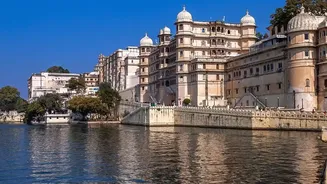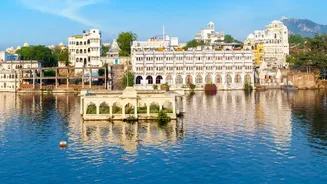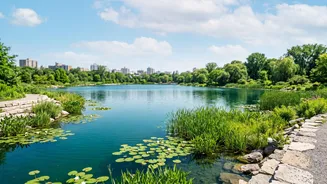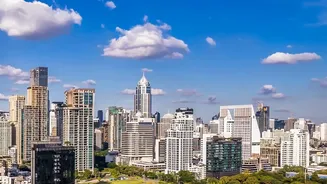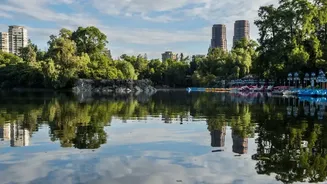



That serene lake shimmering amidst the urban chaos is more than just a pretty backdrop for your morning walk. It’s a silent, hardworking climate hero, actively making our dense concrete cities more liveable by breathing in carbon and fighting heat.
The Unseen Work of a City Lake
In
the concrete landscape of a bustling Indian city, a water body can feel like a simple luxury—a spot for recreation or a moment of peace. But beneath the surface, these urban lakes are performing two critical environmental jobs. Firstly, they act as 'carbon sinks', capturing and storing atmospheric carbon dioxide. Secondly, they serve as natural 'climate buffers', helping to moderate extreme temperatures, a phenomenon especially crucial in mitigating the 'urban heat island' effect where cities are significantly warmer than surrounding rural areas. These twin functions make them essential infrastructure for climate resilience, not just ornamental features.
How Lakes Inhale Carbon
The process of a lake acting as a carbon sink is a quiet, biological marvel. It starts with photosynthesis. Tiny organisms like algae and aquatic plants, much like trees, absorb carbon dioxide (CO₂) from the atmosphere. When these organisms die, they, along with other organic matter, sink to the bottom of the lake. There, in the low-oxygen environment of the sediment, this carbon-rich material gets buried, effectively locking it away for years, or even centuries. While individual lakes may seem small, collectively they are powerhouses. Research has shown that inland water bodies can bury carbon far more efficiently on a per-area basis than even the world's oceans, making them disproportionately important in the global carbon cycle.
Nature's Air Conditioner
Ever noticed how it feels cooler near a lake on a hot day? That’s the climate buffer effect in action. Urban areas, with their dark asphalt roads and concrete buildings, absorb and retain huge amounts of solar radiation, creating what is known as the urban heat island effect. Water bodies counter this in two ways. Water has a high heat capacity, meaning it can absorb a lot of heat before its own temperature rises significantly. This absorbed energy then drives evaporation, a process that has a powerful cooling effect on the surrounding air. Studies have demonstrated that an increase in water body coverage can lead to a noticeable reduction in urban heat intensity, making neighbourhoods more comfortable and reducing the reliance on energy-guzzling air conditioners.
An Asset Under Threat in India
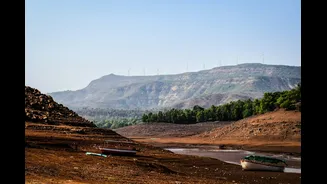
Despite their immense value, urban lakes across India are facing an existential crisis. According to the Ministry of Jal Shakti's first Waterbody Census Report, these vital ecosystems are disappearing at an alarming rate due to pollution, neglect, and, most critically, encroachment for real estate. Cities like Bengaluru, which once boasted over a thousand lakes, now have only a fraction remaining. Many of the surviving water bodies, from Hyderabad's Hussain Sagar to Chennai's urban lakes, are severely degraded by the dumping of untreated sewage, industrial effluents, and solid waste. This not only destroys their biodiversity but also cripples their ability to regulate floods, recharge groundwater, and perform the very climate functions our cities desperately need.
Restoring Our Urban Oases
The degradation of our urban lakes is not irreversible. Across the country, there is a growing recognition of their importance, leading to government initiatives like the AMRUT 2.0 Mission, which prioritises the rejuvenation of water bodies. The key is shifting from purely cosmetic 'beautification' projects, which often involve excessive concreting, to nature-based solutions that restore the ecological health of the lake. This means desilting, managing pollution inputs, protecting catchment areas, and reviving native aquatic vegetation. Citizen involvement is also crucial. Public awareness campaigns and community-led conservation efforts can create the necessary pressure and stewardship to protect and revive these invaluable blue assets for a more resilient and sustainable urban future.