





What Was Actually Found?
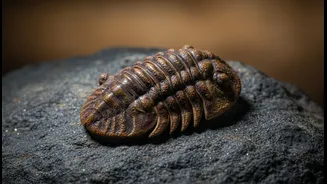
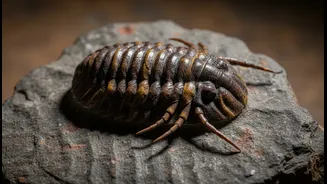
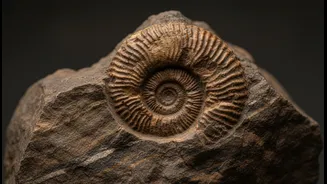
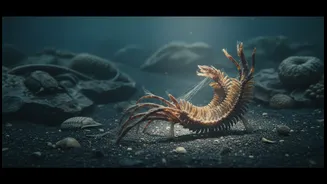
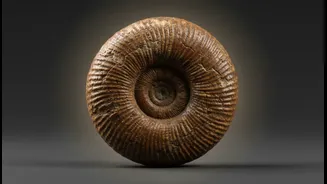
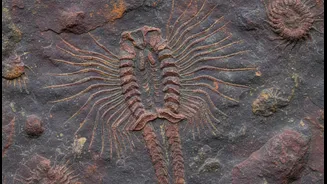
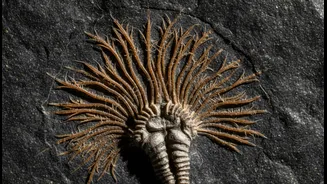
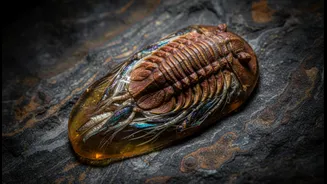
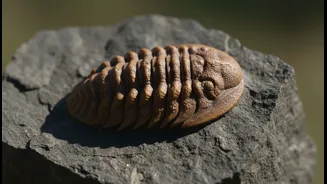
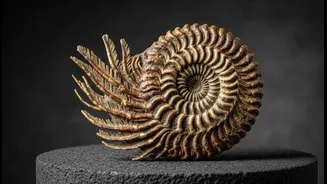
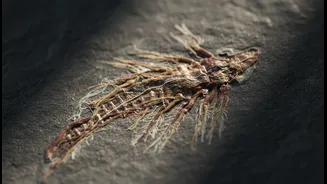
The first and most important question is always about the raw material. A stunning digital reconstruction of a sea scorpion, or eurypterid, from the Ordovician period is one thing; the fossil it's based on is another. Fossils are often incomplete, distorted
by millions of years of pressure, or consist only of hard parts like shells or bones. Soft tissues like skin or internal organs rarely survive, though incredible, one-in-a-million exceptions do occur, offering unprecedented glimpses into ancient life. Ask whether the reconstruction is based on a nearly complete skeleton or a single, tantalizing fragment. The completeness of the fossil evidence is the foundation for everything that follows.
How Complete is the Puzzle?
Since very few fossils are 100% complete, paleontologists must fill in the missing pieces. This isn't random guesswork but a science known as comparative anatomy. They look to the ancient creature's closest known relatives, both extinct and living, to make educated inferences. This method, called phylogenetic bracketing, involves looking at the traits of animals that fall on either side of the extinct creature on the evolutionary tree. For a 450-million-year-old sea scorpion, scientists might study modern relatives like horseshoe crabs and arachnids to infer the structure of missing legs or body segments. It’s a logical approach, but it’s crucial to remember it's still an inference, not a direct observation.
Where Did the Colour and Appearance Come From?
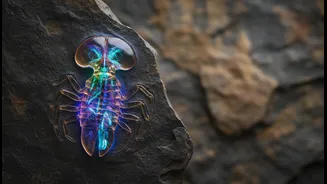
This is often where science meets art. Reconstructing the skeleton's posture and musculature can be done with a high degree of confidence, based on joint articulation and attachment points for muscles. But what about skin texture, fat deposits, and especially colour? These are rarely preserved. The colours and patterns you see in illustrations are almost always educated guesses, based on the animal's likely environment and lifestyle. A predator might be camouflaged, while another species might have used bright colours for mating displays. While advanced techniques can sometimes detect pigment-bearing structures in exceptionally preserved fossils, most of the time, the colour palette is speculative, guided by the artist and scientists working to create a plausible, living animal.
How Was Its Behaviour Inferred?
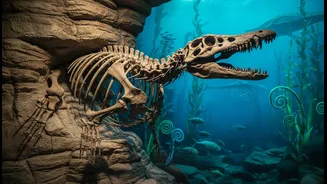
Anatomy provides major clues about an animal's life. The formidable, spiny claws of an Ordovician eurypterid strongly suggest it was a predator. Sharp teeth point to a carnivore, while flat grinders indicate a plant-eater. The shape of fins or legs can tell us if an animal was a powerful swimmer, a bottom-dweller, or adapted for walking on land. Sometimes, fossils are found in groups, suggesting herd behaviour, or with the remains of other animals in their stomachs, providing direct evidence of their diet. Trace fossils, like footprints or burrows, offer a direct snapshot of behaviour. But many aspects, such as social structures or mating rituals, remain highly interpretive.
What Still Isn't Known?
Good science communication is as much about highlighting uncertainty as it is about presenting facts. The fossil record is inherently incomplete. Many species may have existed for which we have no record, and even well-known animals likely had features we'll never know about because they didn't preserve. Scientists are constantly revising their understanding based on new discoveries. A reconstruction is not a final photograph but a progress report—the best possible hypothesis based on the current evidence. The greatest discoveries often come from re-examining old fossils with new technologies or ideas, reminding us that there is always more to learn about these ancient worlds.