






Why Bother with Natural Cleaners This Monsoon?
During the monsoon, high humidity creates the perfect breeding ground for mould, mildew, and bacteria. Conventional chemical cleaners can be effective, but their fumes can accumulate indoors when windows are kept shut against the rain, posing a potential
health risk. Natural ingredients like white vinegar, baking soda, and neem are not only cost-effective and readily available but also safer for homes with children and pets. They offer a way to manage monsoon-specific issues like damp odours, fungal growth, and pest invasions without relying on harsh chemicals, making your home a healthier space during the wet months.
How Does Vinegar Combat Damp and Mould?
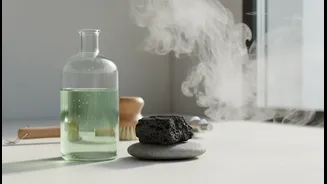
White vinegar is an excellent ally against monsoon dampness and mould thanks to its acetic acid content, which has natural antifungal properties. Studies show that vinegar can kill many common species of household mould. You can spray it undiluted on surfaces like tiles, glass, and plastic where mould is visible, let it sit for about an hour, and then scrub and wipe clean. It's particularly effective for preventing mildew in showers. However, its acidity can damage surfaces like marble, granite, and some wooden floors, so always use it with caution and test on a small, hidden area first.
What is Baking Soda’s Role in a Monsoon-Ready Home?
Baking soda (sodium bicarbonate) is a powerhouse for absorbing moisture and neutralising odours, two of the biggest monsoon challenges. Its gentle abrasive quality also makes it a great scrubbing agent. You can place open bowls of baking soda in wardrobes, refrigerators, and damp corners to absorb musty smells and excess humidity. Sprinkling it on carpets and mattresses, letting it sit for 30 minutes, and then vacuuming can freshen fabrics that are difficult to sun-dry during the rains. It's a simple, energy-free way to combat the persistent dampness of the season.
How Effective is Neem for Keeping Pests Away?
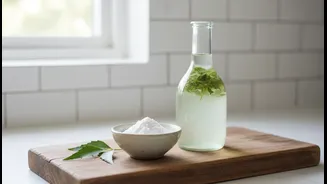
Neem has been a trusted part of Indian households for generations, and for good reason. Its active compound, azadirachtin, acts as a potent natural insect repellent. It doesn't just repel pests like mosquitoes, flies, and ants; it also disrupts their feeding and reproductive cycles. To use it at home, you can boil neem leaves in water, strain the infusion, and use it as a floor-mopping solution. Alternatively, a few drops of neem oil can be mixed with water and a mild soap to create a spray for surfaces, window sills, and plant leaves to deter pests without harming beneficial insects.
Can I Mix These Ingredients for Better Results?
Mixing cleaning ingredients can be tricky and sometimes counterproductive. While baking soda and vinegar are often used sequentially for cleaning, mixing them directly in a closed container is not advised. The combination creates a dramatic fizzing reaction that produces carbon dioxide gas and saltwater, neutralising the acidic and alkaline properties of the individual ingredients. However, this immediate reaction can be harnessed; for example, pouring baking soda down a drain followed by vinegar can help loosen grime. For general surface cleaning, it is often more effective to use them separately or in specific recipes. For instance, creating a paste of baking soda and water to scrub, then spraying with vinegar to lift the residue, is a popular and effective method.
What Are Some Simple DIY Recipes to Start With?
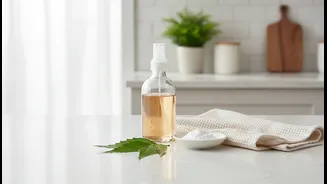
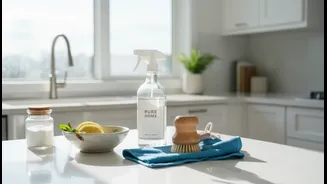
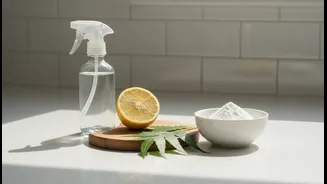
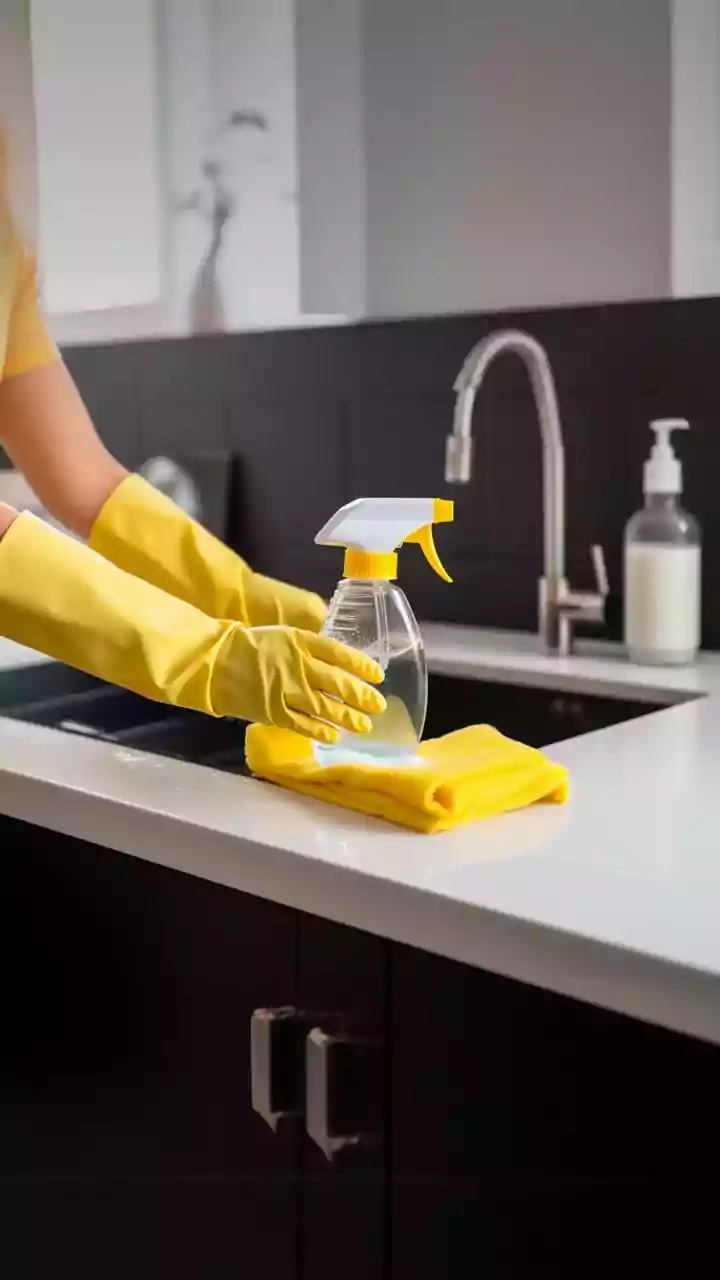
Starting is easy. Here are three basic recipes: 1. All-Purpose Surface Cleaner: In a spray bottle, mix equal parts white vinegar and water. This is great for cleaning countertops (except stone), windows, and bathroom surfaces to disinfect and prevent mould. 2. Odour-Absorbing Scrub: Make a paste with baking soda and a small amount of water. Use this to scrub sinks, stovetops, and inside ovens. For stubborn grime, apply the paste, let it sit, then spray with your vinegar solution before wiping clean. 3. Natural Pest-Repellent Mop Water: Boil a handful of neem leaves in two litres of water. Let it cool, then strain. Use this water to mop your floors. It will help keep crawling insects at bay and leave a clean, herbal scent.