



The Nearly Indestructible Snake Plant
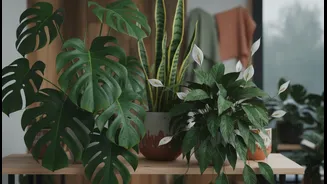
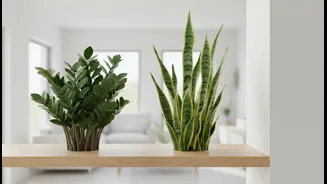
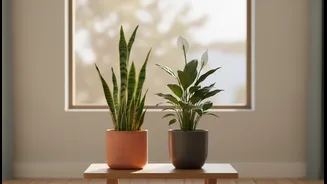
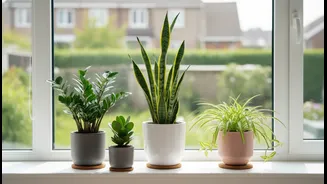
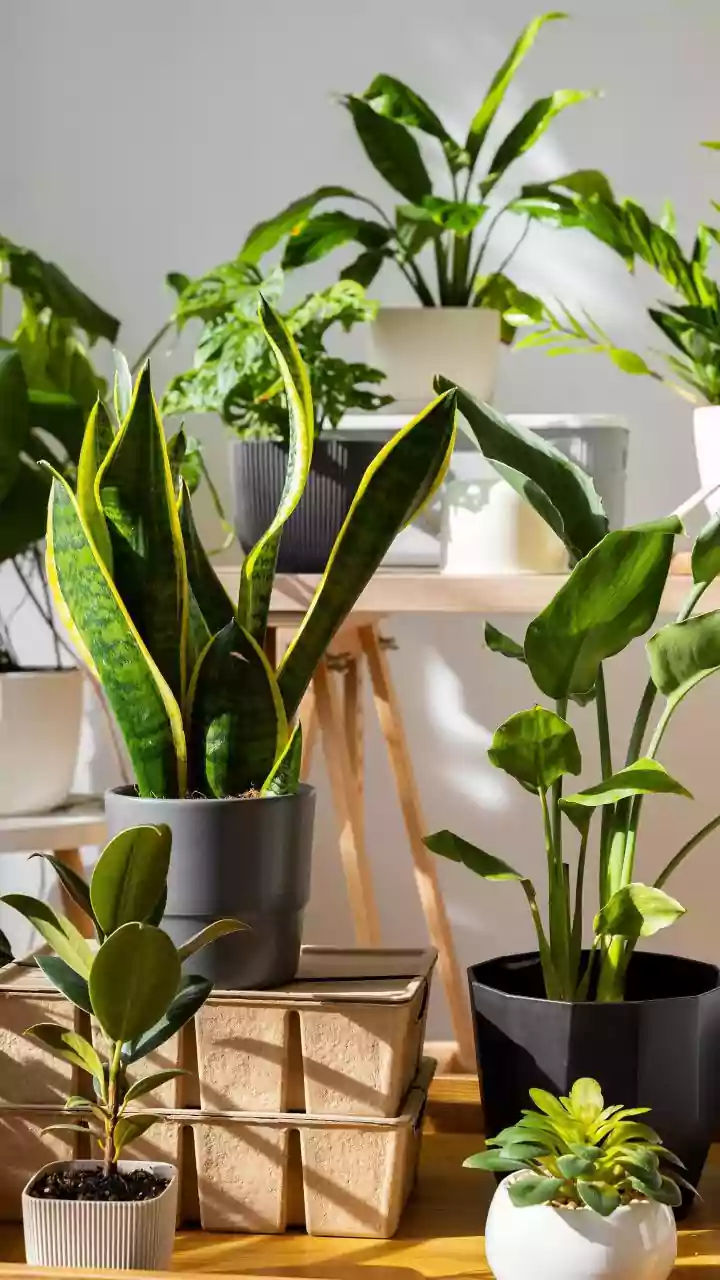
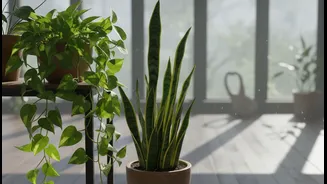
Often called 'mother-in-law's tongue', the Snake Plant (Sansevieria trifasciata) is the champion of low-maintenance greenery. Its stiff, architectural leaves add a modern touch to any room. It's incredibly resilient, tolerating a wide range of light conditions,
from low light corners to bright, indirect sunlight. One of its best features is its ability to purify the air by filtering toxins and converting carbon dioxide into oxygen even at night, making it perfect for bedrooms. Overwatering is the biggest risk, so it's best to let the soil dry out completely between waterings. In Indian summers, watering every 2-3 weeks is often enough, and even less during monsoon and winter.
The Lucky Money Plant
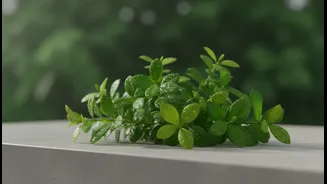
A staple in many Indian households, the Money Plant (Epipremnum aureum or Pothos) is famous for its forgiving nature and fast-growing, trailing vines. It's believed to bring good fortune and prosperity. This plant is incredibly versatile; it thrives in soil and can also be grown in a simple bottle of water. It prefers bright, indirect sunlight but can adapt to low-light areas, though its variegation might fade. Let the top inch or two of soil dry out before watering again, roughly every 7-10 days in summer and less frequently in winter and during the monsoon. Its heart-shaped leaves can effectively clean indoor air, making it both a beautiful and healthy addition.
The Resilient ZZ Plant
The ZZ Plant (Zamioculcas zamiifolia) is perfect for those who are busy or new to plant care. With its wide, waxy, dark green leaves, it looks stylish and requires almost no effort. It's extremely drought-tolerant because it stores water in its underground rhizomes. This plant is happy in low-light environments, making it ideal for apartments and offices that don't get much sun. Watering is only needed once every 2-3 weeks, or when the soil is completely dry. The ZZ Plant is known for being a robust air purifier, and its glossy leaves just need an occasional wipe to stay looking sharp.
The Prolific Spider Plant
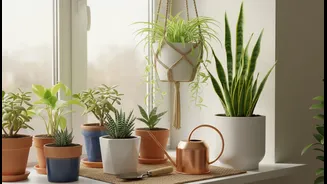
The Spider Plant (Chlorophytum comosum) is a cheerful and adaptable plant, known for the baby spiderettes that dangle from the mother plant, which can be easily propagated. It has slender, arching leaves, often with a white or cream stripe, and looks fantastic in hanging baskets. It's one of the most forgiving houseplants and thrives in a wide range of conditions. It prefers bright, indirect light but can tolerate lower light levels. Keep the soil moist but not waterlogged, watering once or twice a week depending on the climate. Spider plants are also excellent at purifying the air, helping to remove common household pollutants.
The Soothing Aloe Vera
More than just a pretty plant, Aloe Vera is a low-maintenance succulent famous for the medicinal gel inside its leaves. As a houseplant, it's very easy to care for. It thrives in bright, indirect sunlight, so a spot near an east-facing window is ideal. Being a succulent, it's drought-tolerant and needs watering only when the soil is completely dry to the touch, about every 2-3 weeks. Overwatering can cause its roots to rot, so it's better to err on the side of caution. Besides its healing properties, it also helps purify the air by absorbing toxins.
The Elegant Peace Lily
The Peace Lily (Spathiphyllum) is known for its elegant white blooms and glossy, dark green leaves. It is an excellent choice for low-light areas in Indian homes and is known for its air-purifying capabilities, filtering out toxins like benzene and ammonia. What makes it particularly beginner-friendly is that it visibly droops when it needs water, taking the guesswork out of your watering schedule. Keep the soil consistently moist but not soggy, and it will reward you with periodic blooms and lush foliage. It adapts well to indoor humidity and temperatures, making it a graceful and functional addition.