




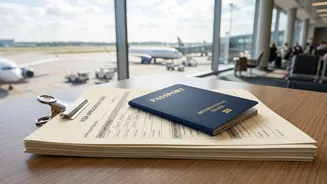
The dream of an international holiday is universal, but a new report confirms a growing frustration: the journey is being stopped before it even begins. The culprit? Increasingly complex and confusing visa requirements are causing more travellers to simply
give up.
A Growing Barrier to Global Travel
The world may feel more connected than ever, but getting from one country to another is becoming harder. According to the 2026 Global Passenger Survey from the International Air Transport Association (IATA), a staggering 43% of travellers have been discouraged from visiting a destination specifically because of its immigration requirements. This marks a significant jump from 33% in 2025, indicating a rapidly worsening problem for globetrotters and the travel industry alike. The survey, which gathered responses from over 10,000 travellers across more than 200 countries, pinpoints process complexity as the primary deterrent. A majority of those put off by entry rules—53%—cited the complicated nature of the process itself, far outweighing concerns about cost or data privacy, which each accounted for 17% of responses.
Why Are Visas Getting More Complicated?
Several factors contribute to this rising complexity. While many countries are moving towards digital visas, the lack of standardization creates confusion. Over 100 countries now issue e-visas, but inconsistent verification methods cause difficulties for both airlines and passengers. Furthermore, some regions are implementing new digital border systems. Europe, for example, is rolling out its Entry/Exit System (EES) and the European Travel Information and Authorisation System (ETIAS) in 2026, which require pre-travel authorisation for previously visa-exempt visitors. While designed to streamline entry, these new layers of bureaucracy add another step for travellers to navigate. This is happening alongside geopolitical tensions, which IATA also found to be a major factor influencing travel decisions.
The Unique Burden on Indian Travellers
For the aspiring Indian traveller, these global trends amplify existing challenges. Holding one of the world's most powerful passports simplifies travel, but for many others, including Indians, the visa gauntlet is a familiar source of stress. The process often involves significant financial risk, as many consulates require proof of non-refundable flight and hotel bookings before a visa is even approved. This forces applicants to spend heavily with no guarantee of being able to travel. Long wait times for visa appointments for popular destinations like the US and Europe are another major hurdle, sometimes stretching for many months. These delays and the sheer volume of required paperwork make planning a trip a nerve-wracking gamble, turning the excitement of travel into a test of endurance.
A Digital Paradox and the Push for Simpler Solutions
There's a clear disconnect between what travellers want and what they are experiencing. The same IATA survey shows overwhelming demand for digital solutions that simplify travel. A large majority of passengers, 86%, are willing to share immigration information electronically before their trip to speed up processing. Around 60% would prefer to apply for a visa online rather than visit a consulate. Travellers are also embracing biometrics, with 78% willing to share their information to avoid repeatedly showing passports and boarding passes at the airport. IATA is urging governments to listen to this demand by simplifying requirements, eliminating redundant checks, and adopting secure, standardized digital travel credentials. The technology exists; what's missing is the coordinated political will to implement it smoothly across borders.