


In an age of whirlwind tours and photo-op travel, there’s a growing movement that champions a different approach. It asks us to trade the tyranny of the packed itinerary for the simple, profound beauty of the journey itself.
The Problem with 'Checklist' Tourism
We all know the look of modern,
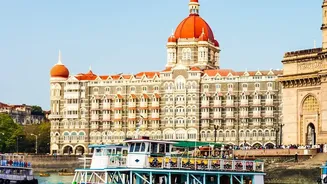
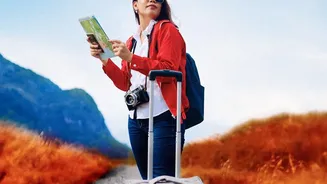
rushed tourism: a frantic race from one monument to the next, armed with a selfie stick and a list of 'must-see' sights. This style of travel, often called 'checklist tourism', prioritises proof of presence over actual presence. It's about collecting passport stamps and Instagrammable moments, hopping between cities in a blur of airports and hotels. The result? Travellers often return home more tired than transformed, with a camera roll full of photos but few genuine memories. This high-volume, fast-paced approach, a hallmark of mass tourism, often turns destinations into mere backdrops, consumed quickly and superficially. The focus is on convenience and ticking boxes, which can leave you feeling like you've seen a place without ever truly experiencing it.
The Journey Becomes the Destination
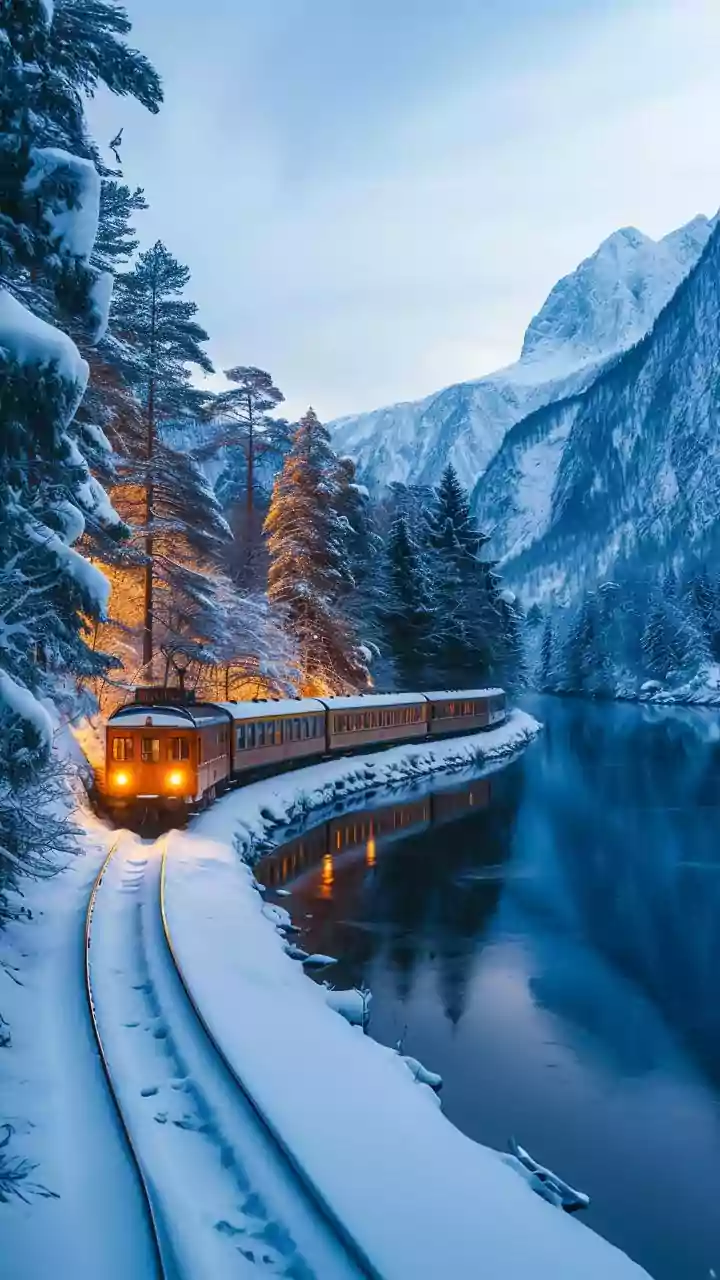
Slow overland travel flips the script. Inspired by movements like the 'Hippie Trail' of the 60s and 70s, which saw travellers journey by bus and train from Europe to India, this philosophy embraces the 'in-between' spaces. The goal isn't just to arrive at a destination, but to fully inhabit the experience of getting there. Choosing trains, buses, or even local transport methods reduces your carbon footprint and, more importantly, it forces you to engage with the landscape and its people on a more human scale. On a train winding through a rural province or a shared taxi navigating a mountain pass, the world isn't a blur outside a plane window; it's a living, breathing entity you are moving through. This approach turns the journey itself into a series of discoveries, from the food served at a remote railway station to the shifting scenery hour by hour.
From Sightseeing to Genuine Connection
Perhaps the greatest gift of slow travel is time. By staying longer in fewer places, you create opportunities for spontaneous, authentic interactions that are impossible when rushing. Instead of just taking a photo of a market, you can spend a morning there, observe the rhythms of daily commerce, and maybe even strike up a conversation with a vendor. This slower pace allows you to move beyond the transactional nature of tourism and build real relationships. You become a temporary part of a community, not just a customer passing through. Psychologically, slowing down reduces sensory overload, allowing our brains to notice more details—the sounds, the smells, the subtle social cues—that form the true fabric of a culture. It's in these unplanned moments that the most meaningful connections are often made.
Observing the Texture of Daily Life
Rushed tours are designed around highlights, but culture isn't just found in famous monuments or museums. It lives in the mundane, everyday moments: the way people greet each other, the food they eat for breakfast, the evening rituals. Slow travel gives you a front-row seat to this authentic daily life. You might learn more about a place by sitting in a local park for an hour than by visiting three designated tourist spots. Immersive cultural experiences often stem from participating in, or simply observing, these routines. Whether it's learning about local crafts from an artisan in their workshop, sharing a meal with a family, or simply navigating a city using its public transport, you gain an understanding that goes far beyond a guidebook summary.