
First, A Quick Refresher on Bharat Stage Norms
Bharat Stage (BS) emission standards are regulations instituted by the Indian government to control the output of air pollutants from internal combustion engine vehicles. Think of them as a progressively tightening filter on what comes out of a vehicle's
exhaust. These standards, aligned with European norms, have become increasingly strict over the years. Many will recall the country's ambitious and challenging leap directly from BS-IV to BS-VI in April 2020, a move that skipped an entire stage to accelerate the fight against air pollution. That transition mandated significant changes in engine technology and required the availability of much cleaner, low-sulphur fuel. The current BS-VI norms are some of the most stringent in the world, bringing Indian vehicle emissions on par with those in Europe.
What Exactly Is the BS-VII Proposal?
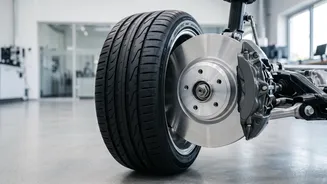
The BS-VII proposal, detailed in a recent draft notification from the Ministry of Road Transport and Highways (MoRTH), is the next evolutionary step. However, its focus is broader than just tailpipe emissions. For passenger cars, the limits for many key gaseous pollutants like nitrogen oxides (NOx) remain similar to BS-VI. The significant changes lie in new areas. For the first time, regulations will cover non-exhaust emissions, specifically particulate matter generated from brake wear and tyre abrasion. This is a critical development, as these particles are a source of pollution even for electric vehicles (EVs). The proposal also introduces stricter real-world driving emission (RDE) tests, ensuring cars meet standards on actual roads, not just in labs. Furthermore, it mandates On-Board Monitoring (OBM) systems to continuously track a vehicle's emissions and proposes durability standards for EV batteries, ensuring they retain a certain percentage of their capacity over time.
A Plan, Not A Law: The Regulatory Journey
The headline gets it right: this is a plan. The MoRTH has released draft notifications and invited comments from the public and stakeholders for a 30-day period. This is the first step in a long regulatory process. After considering the feedback, the government will finalize the rules. This process involves extensive consultation with automakers, component manufacturers, and environmental experts before the final rules are notified and become law. The current draft proposes a phased rollout, with the first phase for new passenger cars and SUVs set to begin on April 1, 2029. Light commercial vehicles would follow in 2030, and heavy vehicles like trucks and buses in 2031, with further phases extending to 2035. It's important to note these rules will apply only to newly manufactured vehicles from those dates; they will not affect existing BS-VI or older cars on the road.
The Auto Industry's Reaction
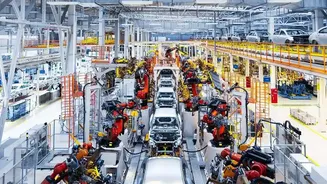
The proposed timeline has drawn concern from the automotive industry. The Society of Indian Automobile Manufacturers (SIAM) has reportedly been in discussions about deferring the start date, suggesting a phased rollout beginning in 2032 instead. Manufacturers argue that the 2029 deadline provides limited time for the significant technological development, testing, and re-engineering required. There are warnings that this compressed timeline could disrupt product launch plans for vehicles scheduled between 2027 and 2030. A major concern is that companies will have to divert substantial engineering and R&D resources to upgrade their popular petrol and diesel models, which could potentially slow down the development of new electric vehicles.
Why Tighter Norms Are on the Table
The push for BS-VII aligns with India's broader goals of improving air quality, protecting public health, and meeting global climate commitments. Despite the progress made with BS-VI, air pollution remains a severe challenge in many Indian cities, with the transport sector being a significant contributor. By expanding the scope of regulations to include non-exhaust emissions from brakes and tyres and tightening real-world testing, BS-VII aims to address pollution more holistically. The focus on smaller, 10-nanometre particles also reflects a deeper understanding of health impacts, as these ultrafine particles can penetrate deeper into the lungs. Ultimately, the proposal signals India's intent to keep its vehicle regulations aligned with the best global standards, such as Europe's Euro 7, ensuring a continued push towards cleaner mobility.