




The Kharif-Monsoon Connection
The Kharif season, which begins with the first monsoon showers in June, is the backbone of India’s agricultural output and food security. Crops like rice (paddy), maize, soybean, cotton, and various pulses are sown during this period. Unlike the Rabi
season, which can rely more on stored groundwater and irrigation, Kharif farming is overwhelmingly rain-fed. Nearly half of India's farmland lacks access to irrigation, making these farmers completely dependent on the timeliness and intensity of the southwest monsoon. A good monsoon season leads to bumper harvests, increased farmer incomes, and stable food prices, powering rural demand across the economy.
What Makes a 'Rainfall Gap' So Dangerous?
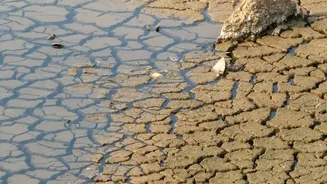
A rainfall gap, also known as a monsoon break, is a prolonged dry spell that occurs in the middle of the season, typically in late July or August. This is different from a simple rainfall deficit, which is a lower-than-average total for the entire season. A monsoon break can happen even in a year with normal or above-normal overall rainfall, where heavy downpours are separated by long periods with no rain. This pattern is particularly harmful because it creates intense moisture stress in the soil just when crops need it most. One or two days of torrential rain cannot compensate for weeks of dryness, as much of that water is lost to runoff and the soil quickly dries out again.
Critical Timings in a Crop's Life
Plants, like people, have specific developmental stages where they are most vulnerable. For Kharif crops, the mid-season period is packed with these critical moments. A rainfall gap during the vegetative stage can stunt growth, while a dry spell during flowering and grain-filling stages can be catastrophic, directly reducing the final yield. For example, paddy requires standing water during the tillering (when new shoots emerge) and panicle initiation phases. Soybeans and pulses are extremely sensitive during flowering; a dry spell can cause flowers and pods to drop, slashing potential output. For maize, the tasselling and silking stages are crucial for pollination and grain formation. A water shortage during these windows cannot be undone, even if heavy rains arrive later.
The Most Vulnerable Crops
While all Kharif crops are affected, some are more exposed to the dangers of a mid-season dry spell than others. Soybean has been identified as particularly sensitive, with studies showing yield losses of over 40% during deficit years, often linked to dry spells in August. Rainfed rice, especially upland varieties that aren't grown in irrigated fields, is also highly vulnerable. Pulses like tur (pigeon pea), though relatively drought-tolerant, can suffer significant flower and pod loss if moisture stress hits during their reproductive phase. Even cotton faces a dual risk: dry spells can stunt its growth, while the intense downpours that often follow a break can lead to waterlogging, which is equally damaging.
The Ripple Effect on Livelihoods and Economy
The impact of a rainfall gap extends far beyond the farm gate. For farmers, it means a direct hit to their income and could push them further into debt. Reduced crop yields on a national scale lead to lower food supply, which in turn can drive up food inflation for all consumers. The broader economy also feels the pinch. Lower agricultural output translates to reduced rural demand for goods and services, from tractors to everyday consumer products. The recent trend of increasingly erratic rainfall patterns, with long dry spells becoming more frequent, highlights a growing challenge. This makes the timing of rainfall—not just its quantity—a central factor in India's economic stability and the well-being of millions.