




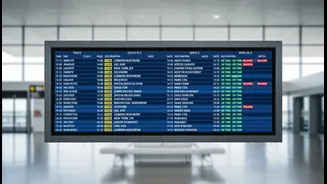



The Current State of Air Travel
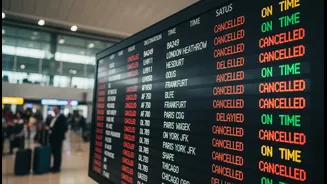
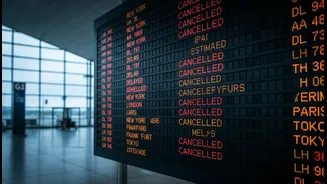
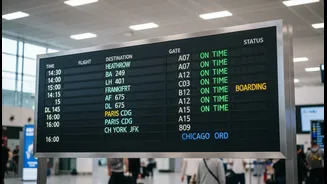
The skies have been particularly challenging for Indian travellers in 2026. A combination of factors is contributing to a notable increase in flight delays and cancellations. The monsoon season has hit major hubs like Mumbai and Delhi with heavy rain
and low visibility, leading to temporary airport shutdowns and numerous diversions. Beyond the weather, airlines are facing significant operational pressures. Congestion at major airports remains a primary driver of delays, creating a domino effect across the national network. Some carriers have also been forced to reduce their schedules due to a combination of rising fuel costs and other operational challenges, further tightening seat availability. This perfect storm of weather, infrastructure limits, and airline-specific issues means that disruptions are not just a possibility, but a frequent reality for passengers.
Know Your Rights: The DGCA Passenger Charter
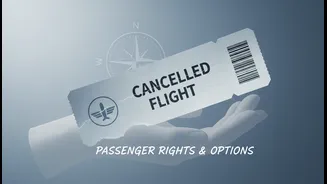
When your travel plans are disrupted, you are not powerless. India’s Directorate General of Civil Aviation (DGCA) has a Passenger Charter that outlines the responsibilities of airlines and the rights of passengers. These are not goodwill gestures, but binding regulations. For cancellations where you are given less than two weeks' notice, you are entitled to either a full refund or an alternative flight. If the cancellation notice is under 24 hours, you may also be eligible for compensation ranging from ₹5,000 to ₹10,000, depending on the flight's duration. For significant delays, airlines have a duty of care. If your flight is delayed by more than two hours, you are entitled to free meals and refreshments. For very long or overnight delays (typically over six hours), the airline must provide a hotel stay and transport. It is crucial to note that compensation is generally not payable for disruptions caused by 'extraordinary circumstances' like severe weather or air traffic control restrictions, but your right to a refund or rebooking remains.
Before You Leave Home: Proactive Steps
The best way to handle a disruption is to prepare for it in advance. Start by monitoring your flight status regularly in the 24 hours before departure using the airline's app or website. Pack smartly by keeping all essential items—medications, chargers, a change of clothes, and important documents—in your carry-on bag, not your checked luggage. This ensures you have your necessities even if you are separated from your bags during a long delay or rebooking. When booking, consider choosing direct flights to minimise the risk of a missed connection. If a layover is unavoidable, leave a generous buffer of several hours between flights. Finally, review your travel insurance policy. Understand what it covers in terms of trip cancellations, delays, and additional expenses like meals or accommodation. Having this information handy can save you time and stress if things go wrong.
At the Airport: What to Do When Disruption Strikes
If your flight is delayed or cancelled, act quickly and calmly. The first step is to speak with an airline representative at their counter or gate. Keep your communication polite but firm. State the facts of your situation and ask clearly what your options are. Remember to ask for what you are entitled to under DGCA rules, whether it's meal vouchers, an alternate flight, or accommodation. Keep a detailed record of everything. Note down the names of staff you speak to, take photos of the departure boards, and save all emails or messages from the airline regarding the disruption. Do not hesitate to use technology. Sometimes, rebooking is faster through the airline's mobile app or by calling their customer service line than waiting in a long queue. If the airline is unresponsive, you can file a grievance through the government's AirSewa portal or app, which mandates a response from the airline.