







The Quiet Changes You're Already Seeing
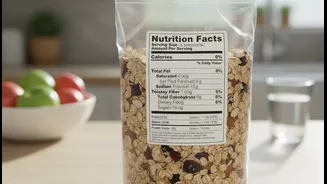
Before we get to the big debates, it’s worth noting that FSSAI has already rolled out significant, non-controversial changes. These are the foundational shifts happening right now. For starters, the nutritional information panel on the back of the pack
is now more detailed. It's mandatory for brands to declare the amount of energy (calories), protein, total carbohydrates, total fat, and sodium. More importantly, they must now separately list 'added sugar' and 'trans fat', giving you a clearer picture of what you’re consuming. The regulator has also tightened the leash on misleading marketing claims. Words like "health drink" are now banned on certain beverages, and a recent crackdown saw notices sent to companies for using claims like "100% Natural" on products that contained preservatives or artificial flavours. Stricter rules are also in place for declaring major allergens like nuts, soy, and gluten, which must now be highlighted prominently.
The Loud Debate: Front-of-Pack Labels
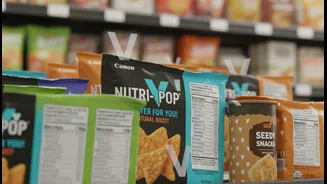
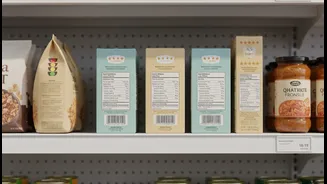
This is where most of the "hype" originates. Everyone agrees that the small print on the back of a package is hard to read and understand in a hurry. The solution is Front-of-Pack Labelling (FoPL), a quick visual guide to a food’s healthiness. The problem is, nobody can agree on what that guide should look like. FSSAI initially proposed a 'Health Star Rating' (HSR) system, which is currently in a voluntary phase. This model, used in countries like Australia, gives products a rating from half a star to five stars—the more stars, the healthier the item. However, this idea has faced a storm of criticism from public health experts.
Warning Labels vs. Star Ratings
Critics of the Health Star Rating system argue it can be misleading. A product high in sugar, for example, could potentially get a higher star rating by adding small amounts of fibre or protein, creating a misleading “health halo.” This has led to a major push from health advocates, consumer groups, and even the Supreme Court to consider a different approach: warning labels. This system, successfully implemented in countries like Chile and Mexico, uses simple, unambiguous symbols—like a black octagon—to warn consumers if a product is high in sugar, salt, or fat. Proponents argue that a direct warning is far more effective and easier for everyone to understand, regardless of literacy level, than a subjective star rating. The battle between these two models is the core conflict delaying a mandatory FoPL system across India.
Why This Matters for Your Health
This isn't just a squabble over design; it's a critical public health issue. India is facing a rising tide of non-communicable diseases (NCDs) like diabetes, obesity, and hypertension. A significant contributing factor is the increased consumption of ultra-processed foods that are often high in salt, sugar, and unhealthy fats. The entire purpose of these labelling changes is to give consumers the power to make healthier choices easily and quickly. The FSSAI's goal is to encourage healthier eating patterns and, in turn, help curb the NCD epidemic. By making nutritional information more transparent, the regulator hopes to nudge both consumers towards better diets and manufacturers towards creating healthier products.
How to Be a Smart Shopper Today
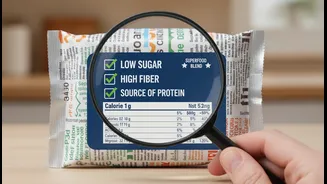
While the experts battle it out, you still have to navigate the grocery aisles. So what should you do right now? First, ignore the flashy claims on the front. Words like “natural,” “real,” or “premium” are marketing terms. Instead, flip the package over. Look for the 'added sugar' value in the nutrition table—this is more important than total sugar, which includes natural sugars from fruit or milk. Check the ingredients list, which must be in descending order by weight. If sugar, salt, or an unrecognisable fat is one of the first few ingredients, it’s a red flag. And finally, pay attention to the newly enforced allergen warnings if you or your family have sensitivities.