



The Case for Renting: Flexibility and Convenience
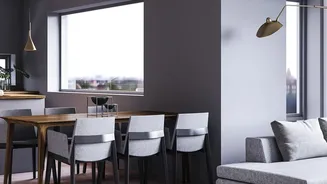
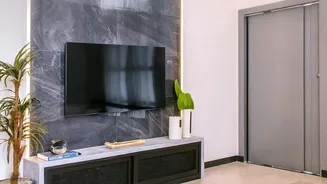
For professionals whose careers may take them to a new city every two to three years, renting furniture offers unmatched flexibility. The modern Indian residential market often consists of unfurnished apartments, making rental services a crucial option.
Companies like Furlenco, RentoMojo, and Cityfurnish have become popular in metro cities by offering stylish, modern furniture without the hefty upfront cost. The key appeal lies in convenience: these services handle delivery, installation, and even free relocation if you move within the same city. There are no maintenance hassles, as repairs and upkeep are managed by the rental company. This model allows you to easily upgrade or change your decor, adapting your living space to new trends or needs without being tied down by bulky assets. It's a system built for a mobile lifestyle, eliminating the stress of selling or transporting items when your next opportunity calls.
The Financial Reality of Renting
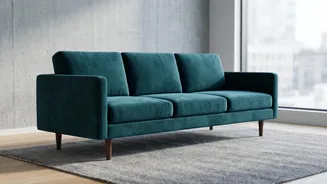
While renting avoids a large initial investment, it's a recurring monthly expense. For short-term stays, typically under two or three years, renting is often the more economical choice. For instance, renting a complete living room set might cost between ₹3,000 to ₹8,000 per month. However, if you plan to stay in one place for longer, these rental payments can accumulate and eventually surpass the cost of buying the furniture outright. Most rental platforms require a minimum rental period and a refundable security deposit to cover potential damages. While minor wear and tear might be waived, significant damage could lead to extra charges. It's a trade-off: you're paying a premium for flexibility and freedom from ownership burdens.
The Case for Buying: Ownership and Personalisation
Buying furniture is a long-term investment in your comfort and personal space. It offers complete freedom to choose pieces that perfectly match your taste and quality standards, something rental catalogues can't always provide. For those planning to settle in a city for more than a couple of years, buying is almost always the more financially sound decision. While the initial cost of furnishing a 2BHK can range from ₹1,50,000 to over ₹4,00,000, that money goes into an asset you own. There's an undeniable emotional satisfaction that comes from building a home with pieces you've personally chosen. Over time, these items become a part of your story, and you never have to worry about monthly payments once they are paid for.
The Downsides of Buying: Cost and Logistics
The most significant drawback of buying furniture is the high upfront cost, which can strain your finances, especially when you're already dealing with other relocation expenses. Beyond the initial purchase, ownership comes with the responsibility of maintenance. The biggest challenge, however, arises when it's time to move again. Transporting heavy furniture across cities is expensive and logistically complex. There's a high risk of damage during transit, even with professional packers and movers. Then there's the problem of fit; a sofa that was perfect for your Mumbai apartment might not work in your new place in Bangalore. Selling used furniture is another hurdle, as it depreciates quickly and you're unlikely to recoup your original investment.
How to Make the Right Choice for You
The best decision depends entirely on your personal circumstances. Ask yourself these key questions: 1. How long do you realistically plan to stay in this city? If the answer is less than three years, renting is likely the smarter, more flexible option. 2. What is your upfront budget? If you have limited capital after paying a security deposit and moving costs, renting frees up cash for other priorities. 3. How important is customisation? If you have a specific aesthetic in mind and want full control over your home's look and feel, buying is the way to go. 4. What is your career's mobility? If your job involves frequent transfers or project-based work in different locations, the hassle-free nature of renting is a clear advantage. Ultimately, renting is subscribing to a service that provides convenience and flexibility, while buying is investing in an asset that offers stability and a sense of permanence.