



The Airport That Came Back to Life
At the heart of Rupsi’s newfound fame is its airport, a relic of a bygone era given a new lease on life. Originally built by the British during World War II, the Rupsi airfield was a strategic hub for Allied forces operating in the China-Burma-India theatre.
For its time, it was a significant piece of infrastructure, boasting a long runway and dozens of aircraft hangars. After the war and a brief period of civilian operations in the 1980s, the airport fell into disuse and was abandoned for nearly four decades. Its revival came as part of the central government’s Ude Desh ka Aam Nagrik (UDAN) scheme, a regional connectivity initiative aimed at making air travel more accessible and connecting underserved towns. After a redevelopment project, the airport became operational again, welcoming its first commercial flight in May 2021.
The Power of the UDAN Scheme
The UDAN scheme is the single biggest driver behind Rupsi’s resurgence. The initiative works by subsidising flights on regional routes to make them affordable for the common citizen, connecting smaller towns to major cities. For residents of lower Assam districts like Dhubri and Kokrajhar, the reopening of Rupsi Airport has been transformative. What was once an arduous road journey of six to seven hours to Guwahati can now be covered in a flight of about 45 minutes. This dramatic reduction in travel time has provided a vital link for students, government officials, and those seeking specialised medical care in the state capital. By making the region more accessible, the scheme has not only improved local lives but also placed Rupsi on the national travel map.
A Gateway to Untouched Assam
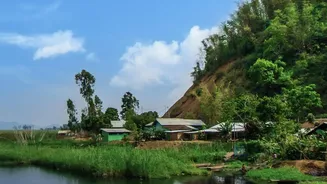
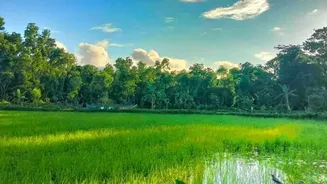
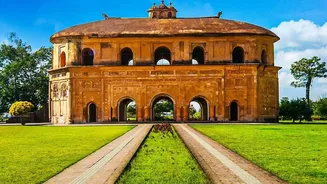
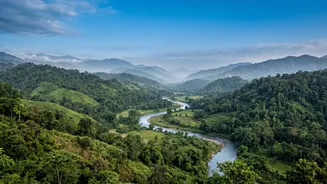
While the airport is the catalyst, the surge in interest is also fuelled by what lies beyond the runway. Travellers are discovering that Rupsi is a gateway to the unique cultural and natural landscapes of western Assam, an area rich with experiences that lie off the beaten path. Recent travel trend reports have noted a massive 502% year-on-year increase in flight searches for Rupsi, placing it among the top trending destinations for Indian travellers looking ahead to 2027. This interest points to a growing desire among tourists to explore lesser-known parts of the country. The region offers a diverse itinerary, from the royal history of the Matiabag Palace in Gauripur to the ancient terracotta crafts of Asharikandi village.
Culture, Faith, and Wildlife
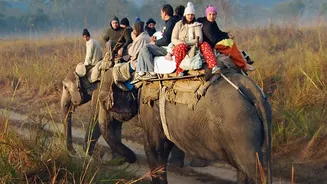
The area surrounding Rupsi is a blend of spiritual landmarks and natural wonders. In the nearby town of Dhubri, visitors can find the Gurudwara Sri Guru Teg Bahadur Sahib Ji, a significant Sikh pilgrimage site established by the ninth Sikh Guru on the banks of the Brahmaputra River. The region is also home to revered Hindu sites like the 400-year-old Mahamaya Dham. For nature enthusiasts, the airport provides access to Raimona National Park, known for its golden langurs and rich biodiversity, and Chakrasila Wildlife Sanctuary. This combination of history, faith, and ecotourism creates a compelling draw for travellers seeking authentic and varied experiences.
More Than Just Tourism
The revitalisation of Rupsi Airport is delivering benefits that extend far beyond tourism. Improved connectivity is a powerful engine for economic growth, fostering local commerce and entrepreneurship. For a region known for jute, timber, and agriculture, faster and more reliable transport links can streamline trade and open up new markets. The Assam government has also floated plans to develop Rupsi as a logistics hub, which could further cement its role in the regional economy. Studies on regional airports consistently show that increased air service leads to employment growth, not just at the airport itself but across various local industries. By connecting a remote corner of the country to the national grid, the airport acts as a catalyst for broader economic development.