




Current High-Alert Regions
As of late August 2026, the monsoon remains active across several parts of India, with the India Meteorological Department (IMD) issuing warnings for multiple states. Central India is experiencing significant rainfall, with an orange alert for very heavy
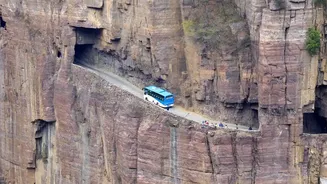
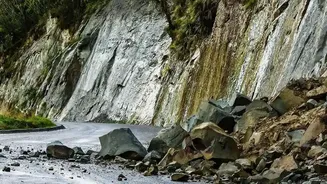
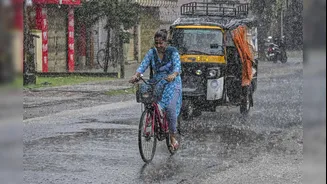
rain issued for Madhya Pradesh. The Himalayan region is particularly vulnerable, with persistent rainfall raising the threat of landslides across Uttarakhand, Himachal Pradesh, and Jammu and Kashmir. Heavy rainfall is also forecast for parts of Uttar Pradesh, Odisha, and the northeastern states, including Arunachal Pradesh, Assam, and Meghalaya. Travellers should be aware that these conditions can lead to sudden road closures and disruptions.
Your Official Guide to Weather Alerts
Relying on rumours or outdated social media posts can be dangerous. For real-time, credible information, always turn to official sources. The India Meteorological Department (IMD) is the primary agency for weather forecasting. Their website and the 'Mausam' app provide district-level warnings. The National Disaster Management Authority (NDMA) issues broader safety advisories and manages the 'Sachet' alert portal. Additionally, many states have their own disaster management authorities with dedicated helplines, such as Himachal Pradesh (1070 for the state, 1077 for districts). For lightning alerts, the 'Damini' app, developed under the NDMA, provides warnings for specific areas.
Decoding the IMD's Colour-Coded Warnings
The IMD uses a colour-coded system to communicate the severity of weather events. Understanding these alerts is crucial for making informed travel decisions. A 'Green' alert means 'No Warning,' and conditions are generally safe. A 'Yellow' alert means 'Be Aware' or 'Watch,' indicating the possibility of deteriorating weather that could impact daily activities. An 'Orange' alert is an 'Alert' or 'Be Prepared' warning. It signifies a high likelihood of bad weather, including extremely heavy rain, which could disrupt travel, power, and communication. A 'Red' alert means 'Warning' or 'Take Action.' This is the highest level of alert, issued when extremely bad weather is expected to cause significant risk to life and property. During a Red alert, authorities advise people to avoid travel and take protective measures.
Essential Pre-Travel Safety Checks
Before starting a journey during the monsoon, especially to hilly areas, a few checks can make all the difference. First, inspect your vehicle. Ensure your tyres have good tread, brakes are working perfectly, and your windshield wipers are effective. Pack an emergency kit containing a first-aid box, extra water, non-perishable food, a flashlight, and a fully charged power bank for your phone. Always check the latest road conditions and weather forecasts for your entire route just before you leave. If possible, avoid travelling at night when visibility is lower and it's harder to spot hazards like fallen rocks or flooded sections of road.
On-the-Road: Spotting Imminent Danger
While driving, stay vigilant for warning signs of a potential landslide. These include new cracks appearing in the road or on hillsides, tilting trees or utility poles, and a sudden increase or decrease in water flow in streams. If you encounter a flooded road, never attempt to drive through it. As little as 12 inches of moving water can sweep a car away, and the road beneath may have washed out completely. If you see debris or water flowing onto the highway, stop at a safe distance and do not try to cross. Reducing your speed, maintaining a safe following distance from the vehicle ahead, and keeping your headlights on are simple but critical safety measures in heavy rain.