
From Utility to Sculpture
The conversation around lighting in India is no longer just about brightness; it's about presence. What was once a simple bulb or tube light is now a primary design element, with fixtures chosen as much for their artistic form as their function. Designers
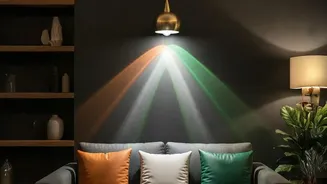
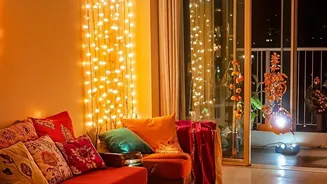
note that lighting is now planned at the earliest stages of a project, alongside architectural features. This shift is driven by a desire to create spaces that feel personal and authentic. Instead of a single overhead fixture, the trend is towards layered lighting—a mix of ambient, task, and accent lights that work together to build mood and character. The result is that even when switched off, a modern light fixture serves as a piece of sculpture, contributing to the room's overall aesthetic.
A Celebration of Materials
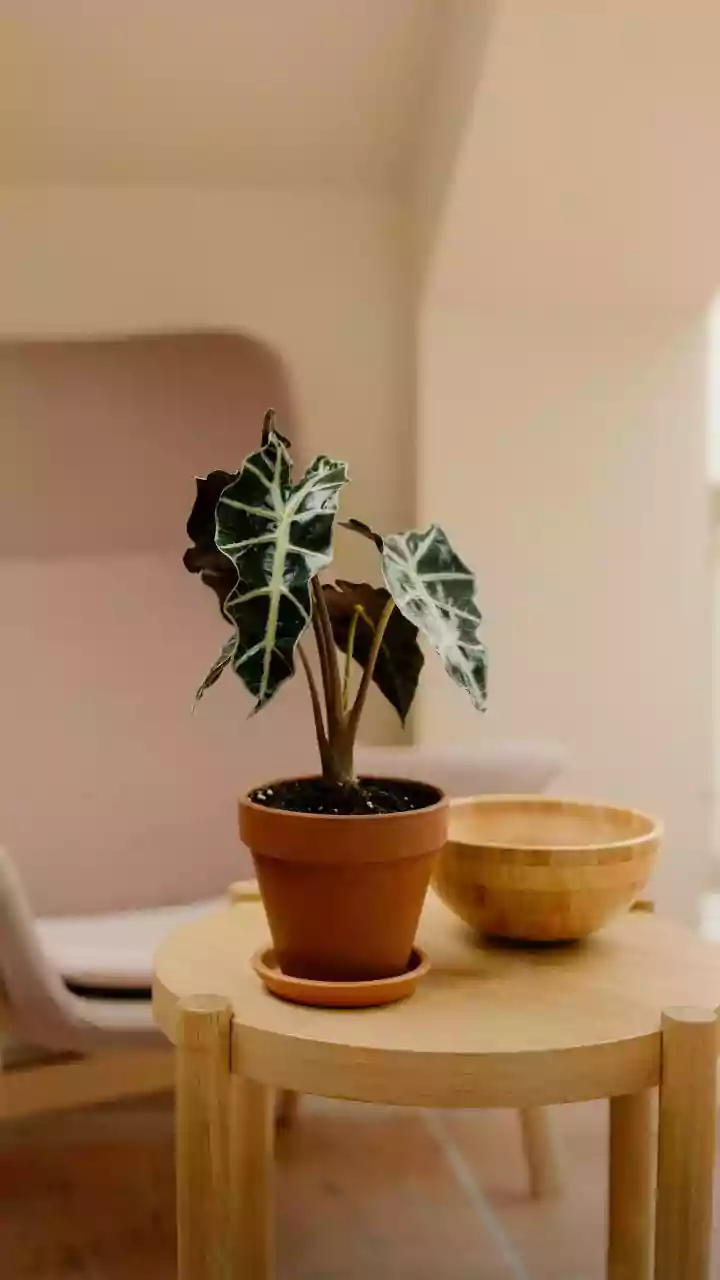
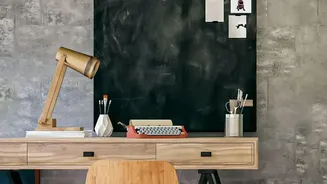
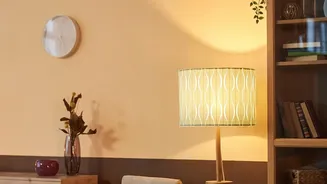
The materials used in lighting are getting a major upgrade. Mass-produced, generic fixtures are being replaced by those with texture, warmth, and a story. Natural, sustainable materials are at the forefront of this trend. Handcrafted fixtures made from bamboo, jute, rattan, and cane are increasingly popular, bringing an organic, earthy feel to interiors. These materials diffuse light beautifully and complement the warm palettes often found in Indian homes. Alongside these are handmade paper, banana fibre, and even textiles like block-printed fabrics and vegan leather, championed by artisan-led studios. On the luxe end of the spectrum, finishes like brushed brass, matte black, and antique gold have replaced high-shine chrome, adding a sense of quiet luxury. Natural stone like marble and travertine are also being incorporated into lamp bases and fixtures, adding weight and elegance.
The Bold and the Beautiful: Shape and Form
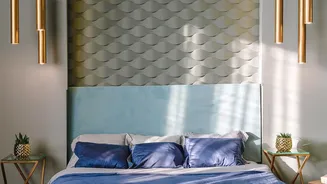
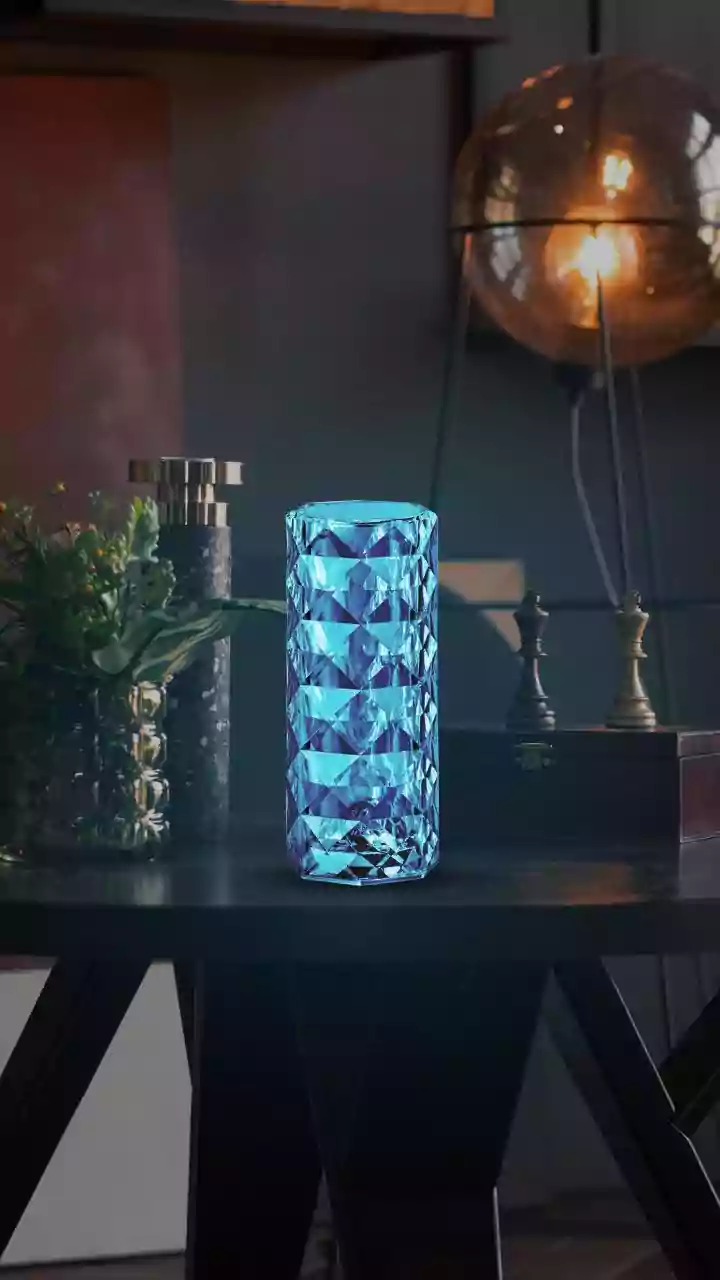
The silhouette of lighting in Indian homes is becoming more adventurous. Traditional, symmetrical chandeliers are giving way to abstract and geometric forms that act as a room's focal point. Described by some designers as 'organized chaos', these floating sculptures feature intersecting rings, fluid shapes, and bold hexagonal designs. The trend is a move towards fixtures as 'luminous art pieces'. This is seen not just in large chandeliers for living rooms but also in wall sconces, which are no longer just for hallways but are used as decorative accents in bedrooms and living areas, creating a high-end, hotel-like feel. Even pendant lights are being used more creatively, often hung in clusters at varying heights over dining tables or kitchen islands to define the space.
Why the Sudden Glow-Up?
Several factors are driving this newfound appreciation for lighting design. Increased exposure to global aesthetics and design-led social media has made Indian homeowners more aware and discerning. The pandemic also played a role, with more time spent at home encouraging people to create environments that are not just functional but also comforting and expressive. There is a growing demand for personalised spaces that reflect individual taste rather than mass-market trends. This has fueled a desire for handcrafted and bespoke pieces that tell a story. Furthermore, sustainability is becoming a key consideration, with many consumers and designers opting for eco-friendly materials and supporting local artisans. This combination of design awareness, a focus on well-being, and a desire for unique, meaningful objects has pushed lighting from the background to the forefront of Indian interior design.