



More Than Just Plants
So, what exactly is a native garden? It's more than just a collection of plants that grow locally. A true native garden is a thoughtfully designed space that uses plants, trees, and shrubs that have evolved over thousands of years in a specific region.
These are species that are naturally adapted to the local climate, soil, and rainfall patterns. Unlike exotic plants that might struggle in unfamiliar conditions, native flora is already perfectly suited to thrive. The goal isn't just to decorate a space with greenery but to create a small, functioning ecosystem that mirrors the natural landscape of the area. It’s about cultivating a piece of the region's natural heritage right outside your door.
A Garden That Gives Back
One of the most compelling reasons for the shift towards native gardening is its profound environmental benefit. These gardens act as vital refuges for local wildlife. Native plants provide the specific food, shelter, and breeding grounds required by local birds, butterflies, bees, and other crucial pollinators. For instance, certain butterflies will only lay their eggs on specific host plants they co-evolved with. By planting native species like hibiscus, marigold, or jamun trees, you are directly supporting India's rich biodiversity. This creates a healthier, more resilient local food web. Furthermore, as India faces challenges like erratic monsoons and rising temperatures, native gardens offer a practical solution for urban greening and habitat restoration, even on a small scale.
Effortless Beauty, Naturally
For the busy homeowner, the practical advantages are a huge draw. Because native plants are adapted to local conditions, they are remarkably low-maintenance. Once established, they generally require significantly less water than lawns or exotic ornamental plants, making them a water-wise choice, especially in drier regions or during periods of water scarcity. They are also naturally more resistant to local pests and diseases, which means you can say goodbye to the constant cycle of chemical fertilisers and pesticides. This not only saves time, money, and effort but also contributes to healthier soil and cleaner water runoff. The result is a garden that thrives with minimal intervention, allowing you more time to simply enjoy it.
Rediscovering Local Charm
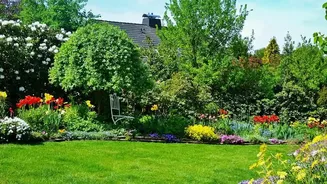
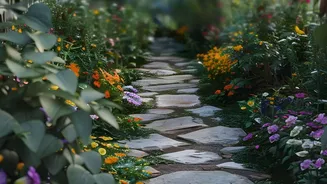
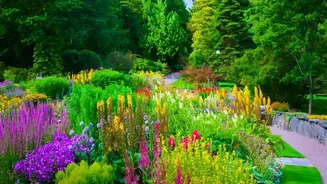
There’s a common misconception that native plants are plain, weedy, or messy. The reality couldn't be more different. India's native flora is incredibly diverse and beautiful, offering a stunning array of colours, textures, and forms. From the fiery orange of the Palash (Butea monosperma) to the elegant golden showers of the Indian Laburnum (Cassia fistula), native plants provide a unique aesthetic that is deeply connected to the landscape. A native garden celebrates this local character, creating a sense of place that a garden full of generic, imported plants can never achieve. It’s an opportunity to move beyond cookie-cutter designs and create a space that is authentically Indian, reflecting the natural beauty of your specific region, whether you're in a coastal city like Mumbai or the semi-arid climate of Delhi.
Your Native Garden Starter Kit
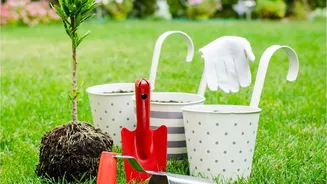
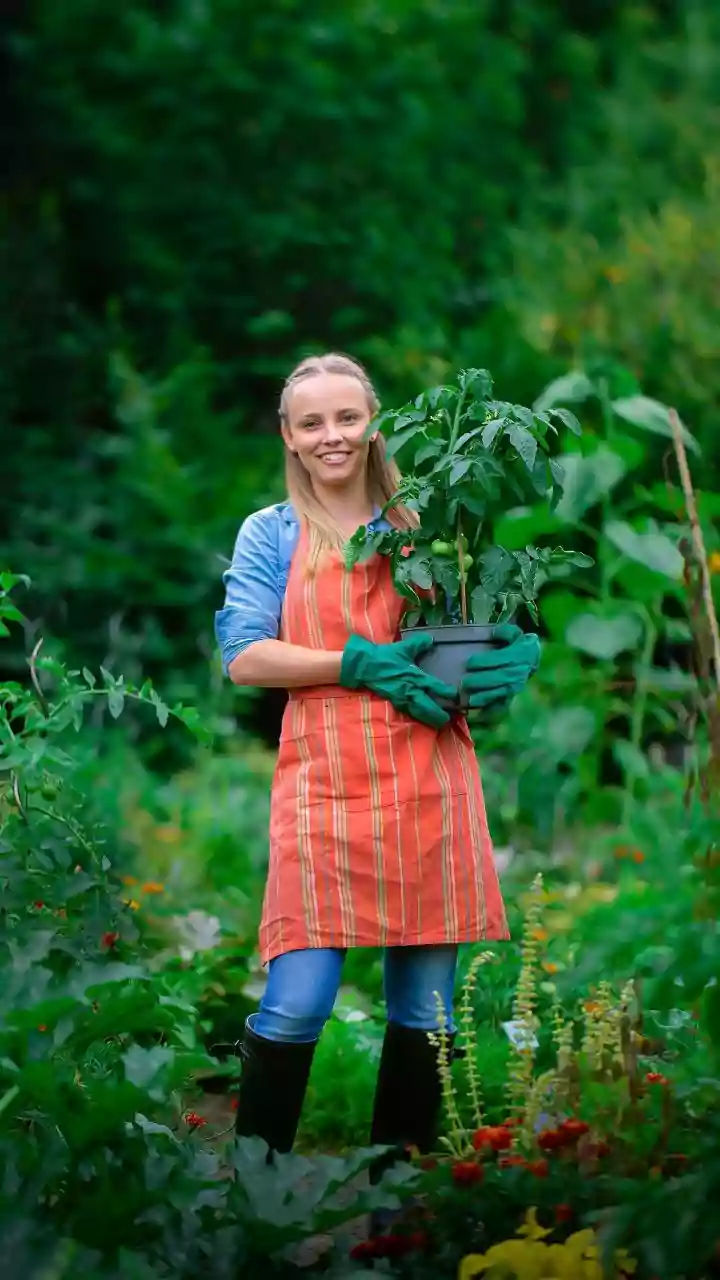
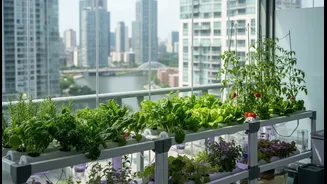
Ready to get started? The key is to begin small and learn as you go. You don't need a large plot; a balcony, a small patch of soil, or even a few containers can become a thriving native garden. First, observe your space to understand its sunlight patterns and soil type. Then, visit a local nursery that specialises in regional plants—avoiding common nursery hybrids that may not provide the same ecological benefits. For a beginner-friendly start, consider hardy, easy-to-grow pan-India favourites like Tulsi (Holy Basil), Neem, or Marigold. Plants like Curry Leaf (Kadi Patta) are also excellent choices, being both low-maintenance and useful in the kitchen. The goal is to choose the right plant for the right place, matching the species to your specific conditions for the best chance of success.