






Meet the Astronaut: Dr. Anil Menon
Born to an Indian father and a Ukrainian mother, Anil Menon is a US Space Force colonel and an emergency physician. His resume is as impressive as it is varied. He studied neurobiology at Harvard, earned a medical degree from Stanford, and was SpaceX's
first-ever flight surgeon, helping launch the first humans on a commercial spacecraft. Before joining NASA, he served as a first responder in disasters like the 2010 Haiti earthquake and even spent a year in India as a Rotary Scholar supporting polio vaccination efforts. His journey from a Minneapolis suburb to the launchpad in Kazakhstan is a testament to a truly global and multifaceted career.
The Mission: Eight Months in Orbit
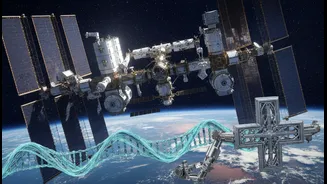
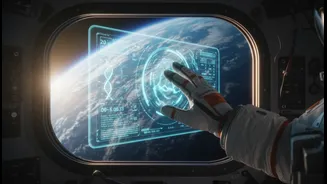
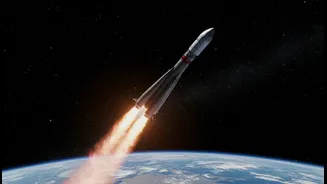
On July 14, Menon will launch aboard a Roscosmos Soyuz MS-29 spacecraft from the Baikonur Cosmodrome in Kazakhstan. He will be accompanied by two Russian cosmonauts for an eight-month stay on the International Space Station (ISS) as a flight engineer for Expeditions 74 and 75. This long-duration mission is his first spaceflight since being selected as a NASA astronaut in 2021. The crew is expected to return to Earth in the spring of 2027 after completing hundreds of scientific experiments.
The 'Space Doctor' and His Experiments
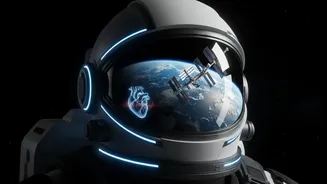
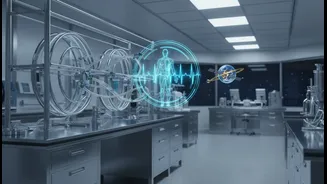
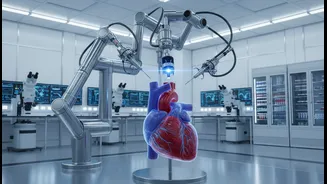
Menon's primary role is deeply rooted in his medical expertise. On the ISS, he will conduct crucial research into how the human body adapts to long-term spaceflight. This includes studying how microgravity affects blood flow, vein structure, and bone density—issues that mimic aging and diseases like osteoporosis on Earth. He will also test cutting-edge medical technology, such as producing IV fluids from the station's drinking water and using AI-assisted ultrasound, which could reduce reliance on support from Earth during future deep-space missions to the Moon and Mars.
Why Space Medicine Matters for India
The research conducted in space has direct benefits back on Earth. Understanding muscle atrophy and bone loss in astronauts helps in treating age-related ailments. Technologies developed for remote medical care in space can be adapted for use in rural or inaccessible areas in India, where a doctor may not be physically present. As India prepares for its own human spaceflight mission, Gaganyaan, the data and experience from astronauts like Menon are invaluable for ensuring the safety and health of Indian astronauts.
Joining a Legacy of Indian-Origin Astronauts
Anil Menon follows in the footsteps of other pioneering astronauts of Indian origin, including Kalpana Chawla, Sunita Williams, and Raja Chari. Kalpana Chawla was the first woman of Indian origin in space, flying on the Space Shuttle Columbia in 1997. Sunita Williams holds records for spacewalks by a woman and has commanded the ISS. Raja Chari recently commanded a SpaceX Crew Dragon mission to the station. Menon’s mission adds another proud chapter to this growing legacy, highlighting the significant contributions of the Indian diaspora to global space exploration.