







What Exactly Is E20 Fuel?
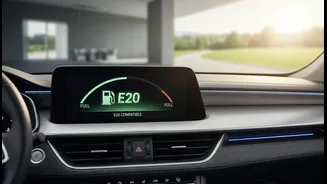
E20 petrol is a simple blend: 20% ethanol and 80% petrol. Ethanol, a biofuel derived from agricultural sources like sugarcane and maize, is being promoted by the Indian government as a strategic imperative. The goals are threefold: to reduce the country's
massive crude oil import bill, lower carbon emissions, and provide an additional income stream for farmers. Since April 2025, E20 has become the standard petrol available across the country, making vehicle compatibility a crucial factor for every consumer.
E20-Ready vs. Flex-Fuel: A Crucial Difference
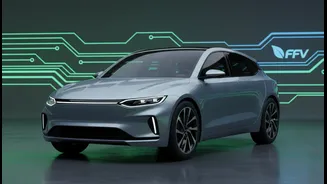
It’s important not to confuse an 'E20-compatible' car with a 'flex-fuel' vehicle (FFV). An E20-compatible car has an engine and fuel system specifically designed to handle a 20% ethanol blend without issues like corrosion or performance degradation. Almost all new cars sold since 2023 are E20-ready. A true flex-fuel vehicle is far more advanced. It features a sophisticated engine management system that can automatically detect and adapt to any ethanol blend, from pure petrol to E85 (85% ethanol) or even E100. E20 cars are a stepping stone; FFVs are the destination in India's biofuel roadmap.
The Smart Choice for Budget Buyers
For the budget-conscious buyer, an E20-compatible car represents the most practical and lowest-risk entry into India's new fuel ecosystem. These vehicles offer a bridge to the future without the potential higher upfront cost of a dedicated flex-fuel vehicle. By choosing a car that is already optimised for the new standard fuel, buyers avoid any potential long-term reliability issues that could affect older, non-compliant models. It future-proofs their purchase, ensuring their vehicle remains efficient and reliable as the country's fuel infrastructure continues to evolve. This makes an E20-ready car a financially sound decision for those looking to maximise the value and lifespan of their investment.
Addressing Mileage and Cost Concerns
A common concern is E20's impact on mileage. Because ethanol has a lower energy density than petrol, a slight drop in fuel efficiency is expected. Most official estimates from government bodies and automakers place this reduction between 3% and 7%. However, the government has clarified that the goal of ethanol blending isn't to make fuel cheaper at the pump, especially when global crude prices are low. Instead, the policy aims to stabilise prices, shield consumers from international oil price shocks, and reduce foreign exchange spending. For the consumer, this means that while E20 may not be cheaper per litre, its widespread adoption helps prevent the steep price hikes often seen with imported crude oil.
The Road Ahead: From E20 to E85
India’s ethanol journey doesn't stop at E20. The government has already signalled its intent to move towards higher blends like E25 and E30 and has begun rolling out E85 fuel for compatible flex-fuel vehicles in select cities. This rapid transition, which is much faster than Brazil's decades-long shift, makes today's E20-compatible cars even more important. They act as a transitional technology, allowing the entire ecosystem—from car owners to fuel retailers—to adapt gradually. As more FFVs from brands like Maruti Suzuki, Hero MotoCorp, and Toyota become available, the infrastructure built for E20 will serve as the foundation for these higher blends, ensuring a smoother journey for everyone.