




The Concrete Jungle's Living Infrastructure
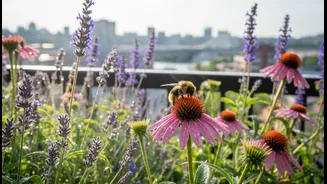
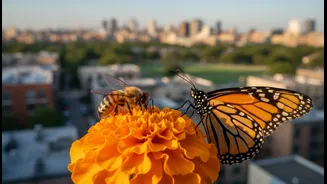
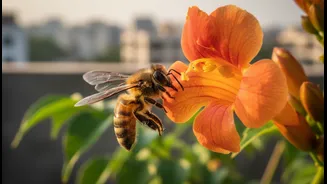
In the dense fabric of our cities, we often forget the infrastructure that nature provides for free. Bees, butterflies, and other pollinators are not just pleasant visitors; they are essential workers in our urban ecosystem. They are responsible for the reproduction
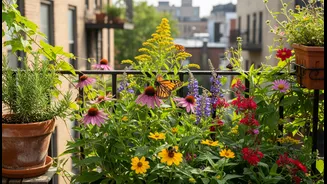
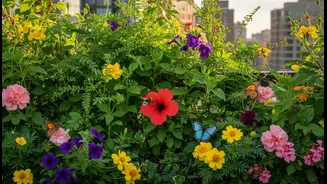
of over 90% of the world's flowering plants, a service that doesn't stop at the city limits. These tiny creatures help pollinate the plants in our parks, community gardens, and even the fruit and vegetable patches on balconies. Every patch of flowers they visit can become a 'stepping stone', creating vital corridors that connect fragmented green spaces and support genetic diversity among pollinator populations. By fostering these insects, we are not just adding life, but building a more resilient, self-sustaining city.
More Than Just a Pretty Flower
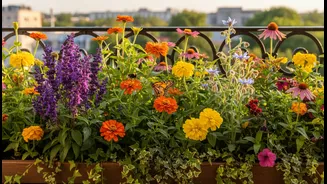
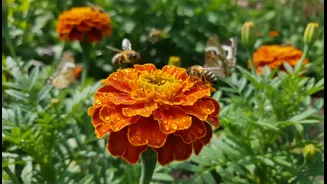
The marigold, with its sunny, robust blooms, is a perfect symbol for this urban nature movement. It’s a low-maintenance powerhouse. Beyond its beauty, marigolds are champions of companion planting. They are renowned for their ability to repel harmful pests like nematodes and aphids, protecting vegetable plants such as tomatoes and cucumbers. At the same time, their vibrant flowers provide a reliable source of nectar that attracts beneficial pollinators like bees and butterflies. Their ability to thrive in pots and suppress weeds makes them an ideal choice for urban gardeners looking to make a practical and beautiful impact. Planting marigolds is a simple act that contributes to a healthier, more balanced micro-ecosystem on a balcony or in a community plot.
A Dose of Nature for a Healthier Mind
The benefits of greening our cities extend deep into our own well-being. A growing body of research confirms that regular contact with nature has measurable psychological and physical advantages. Studies have shown that living near green spaces can lower rates of mental distress, anxiety, and depression. The presence of biodiversity—a variety of plants and animals—magnifies these benefits. Spending time in nature, even in a small urban park or a well-tended balcony garden, can reduce stress, improve mood, and restore mental focus. These green pockets also encourage physical activity and foster social connections, helping to combat the isolation that can be a part of city life.
How to Create Your Own Urban Oasis
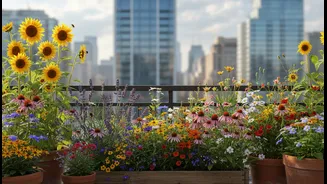
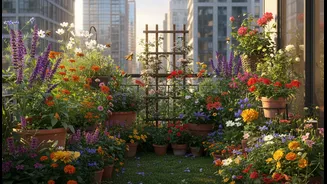
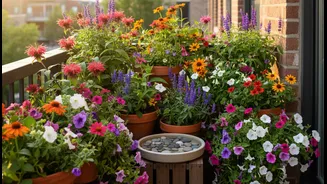
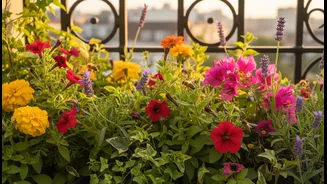
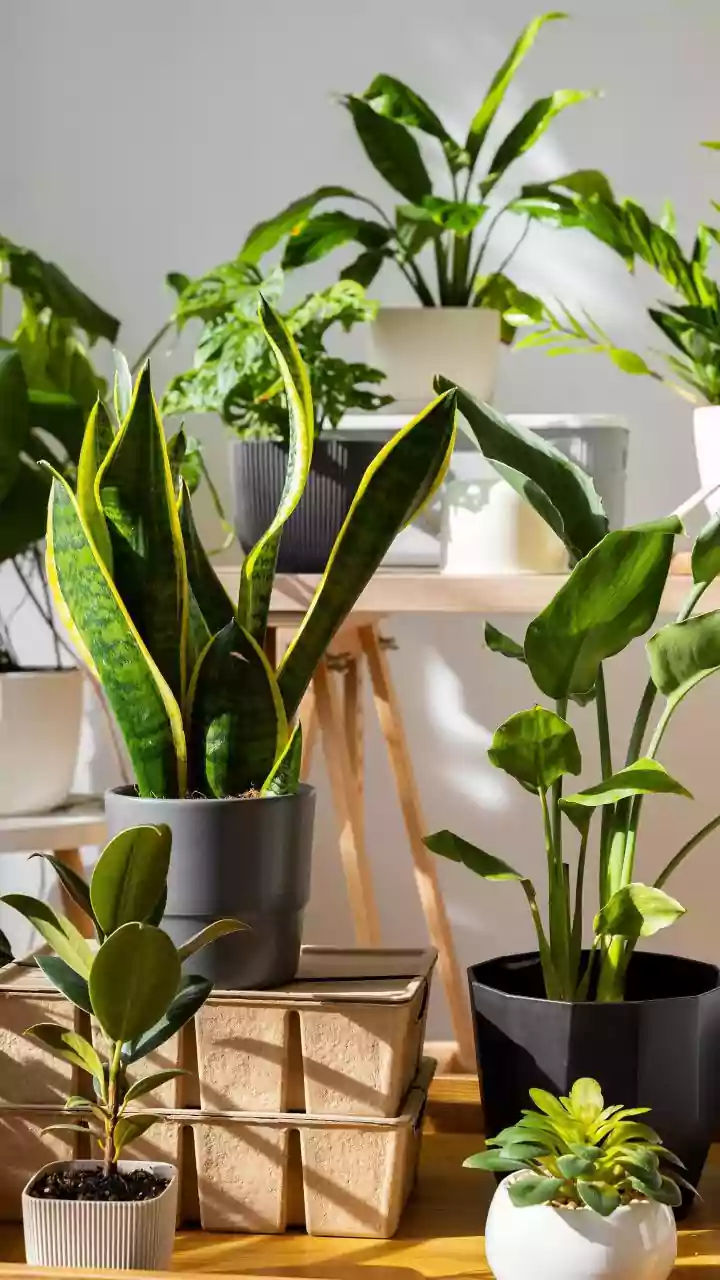
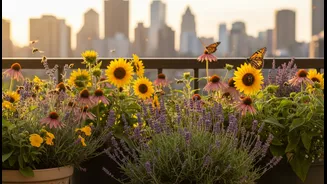
You don't need a large garden to join this green revolution; a balcony, windowsill, or patio will do. Start by choosing plants that are friendly to pollinators. Native species are often best, but flowers like lavender, sunflowers, and, of course, marigolds are excellent choices for attracting bees and butterflies. Think about providing a continuous food supply by selecting plants that flower at different times throughout the year. Arrange pots to maximize sun exposure and consider vertical spaces with trellises for climbing plants. Remember to provide a shallow source of water for thirsty pollinators. By avoiding pesticides and choosing organic soil, you can create a safe and thriving haven for these vital creatures. Even the smallest effort contributes to the larger network of urban green spaces.