




The Winter Rulebook: GRAP and Vehicle Bans
Every year, the Commission for Air Quality Management (CAQM) implements the Graded Response Action Plan (GRAP) to combat rising pollution. This plan has four stages, triggered by worsening air quality. As of late October 2026, Stage 1 is already in effect.
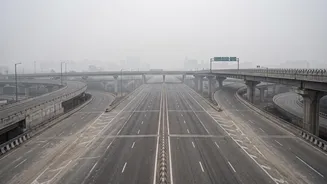
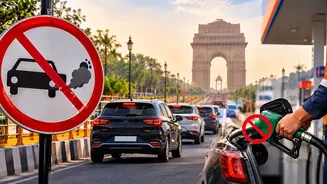
The most significant rules for drivers involve vehicle bans. Generally, these restrictions target older, more polluting vehicles. Under the stricter stages (typically Stage III and IV), BS-III petrol and BS-IV diesel light motor vehicles are barred from the roads. For commercial vehicles, the rules are often even tighter. Starting November 1, 2026, many commercial goods vehicles and buses that are not BS-VI compliant, CNG, or electric will be denied entry into Delhi. These measures are designed to cut down on vehicular emissions, a major contributor to the region's toxic air.
Navigating the 'No-Entry' Maze
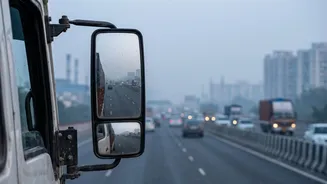
For an outstation driver, one of the biggest challenges is understanding where these rules apply. The restrictions are not just within Delhi proper but extend to high-vehicle-density districts in the NCR, including Gurugram, Faridabad, Ghaziabad, and Gautam Budh Nagar. Authorities are directed to divert non-destined truck traffic away from Delhi entirely, using the Eastern and Western Peripheral Expressways. However, for a driver whose destination is inside the restricted zone, the situation is fraught with uncertainty. Information about which GRAP stage is active can change overnight based on air quality forecasts, leaving little time for drivers and transport companies to adapt. A truck driver from another state might complete a long journey only to be stopped at the border and turned away, leading to significant delays and financial losses.
The High Cost of Confusion
The consequences of violating these pollution norms are severe. Driving a banned vehicle can attract a hefty fine of ₹20,000. Another major hurdle is the 'No PUC, No Fuel' policy. Fuel stations in Delhi are prohibited from selling petrol or diesel to any vehicle without a valid Pollution Under Control (PUC) certificate. This rule applies to all vehicles, regardless of where they are registered. An outstation driver with an expired or missing PUC certificate not only risks a ₹10,000 fine but could also find themselves stranded without fuel. Enforcement is strict, with special drives conducted at major entry points and intersections, meaning the chances of getting caught are high.
A System Under Strain
These enforcement measures, while necessary for public health, expose the immense pressures on India's logistics network and the drivers who are its backbone. The life of a truck driver is already marked by difficult working conditions, including poor vehicle maintenance, inadequate rest stops, and a lack of social security. The average age of truck drivers is increasing as younger people are deterred by these challenges. The sudden and sometimes unpredictable nature of Delhi's entry rules adds another layer of stress and economic uncertainty. A single trip turning unprofitable due to a fine or a forced diversion can have a significant impact on a driver's livelihood. While exemptions exist for vehicles carrying essential goods or those used for emergency services, the lines can be blurry and subject to on-the-spot interpretation by enforcement officials.