


Monsoon-Proof Your Balcony Garden
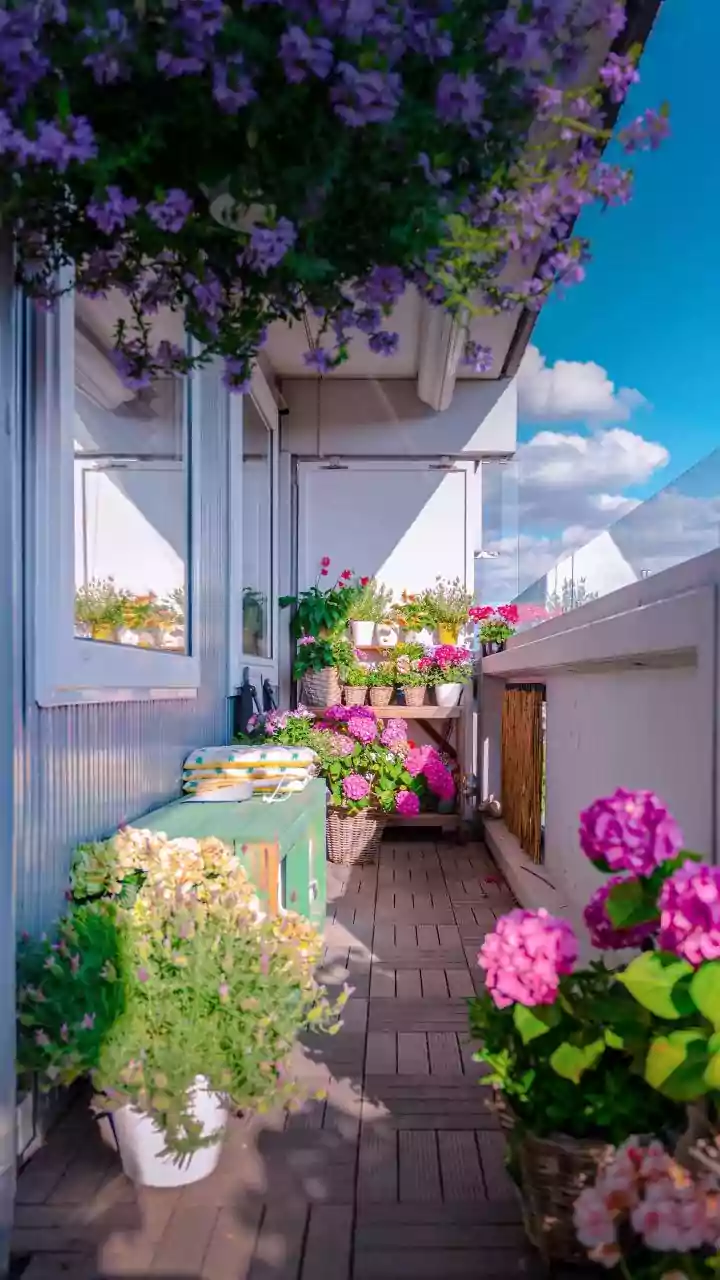
Success with a balcony garden during the rains is all about managing excess water. The biggest threat to potted plants in this season is waterlogging, which can lead to root rot. Start by ensuring every pot has clear drainage holes. Elevating your pots
on stands, bricks, or even simple bottle caps can dramatically improve drainage by allowing excess water to escape freely. Choose a well-draining potting mix. A good combination is garden soil, compost, and a little sand or cocopeat to keep the soil light and prevent it from becoming compacted by heavy rains. It's also wise to stop watering on a fixed schedule; instead, check the soil by hand. If the top one to two inches feel dry, it's time to water. Otherwise, let the rain do the work.
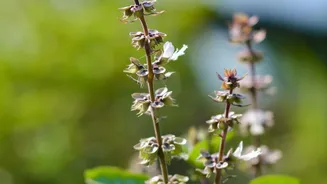
Caring for Basil (Tulsi)
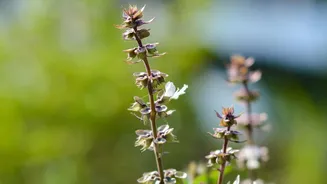
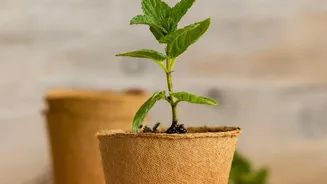
Basil, including the revered Tulsi, is a staple in many Indian homes but can be sensitive during the monsoon. It loves sun but despises waterlogged soil. Place your basil pot in a spot that receives at least a few hours of sunlight but is shielded from the heaviest downpours, perhaps under a slight overhang. Overwatering is the most common reason for basil failing in this season. Regular pruning is key. Pinching off the top sets of leaves will encourage the plant to grow bushier and fuller. Also, remove any flowering heads as soon as they appear to direct the plant's energy into producing more aromatic leaves. Keep an eye out for yellowing leaves, a classic sign of overwatering.
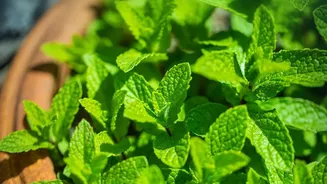
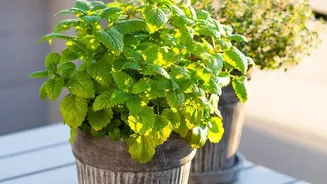
Growing Prolific Mint (Pudina)
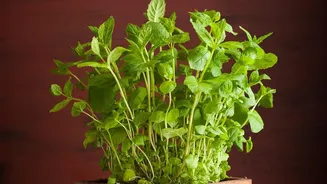
Mint is famously easy to grow and loves moisture, making it a great candidate for the monsoon. However, even this hardy herb needs good drainage to prevent its roots from rotting in constantly saturated soil. Mint is a vigorous spreader, so it's best to give it its own pot to prevent it from taking over other plants. While it thrives in the monsoon humidity, poor air circulation can lead to fungal issues like powdery mildew. Ensure there is good spacing between your plants. Harvest your mint regularly by snipping stems. This encourages new growth and keeps the plant from becoming leggy and sparse. If you see any damaged or blackening stems, prune them off immediately to keep the plant healthy.
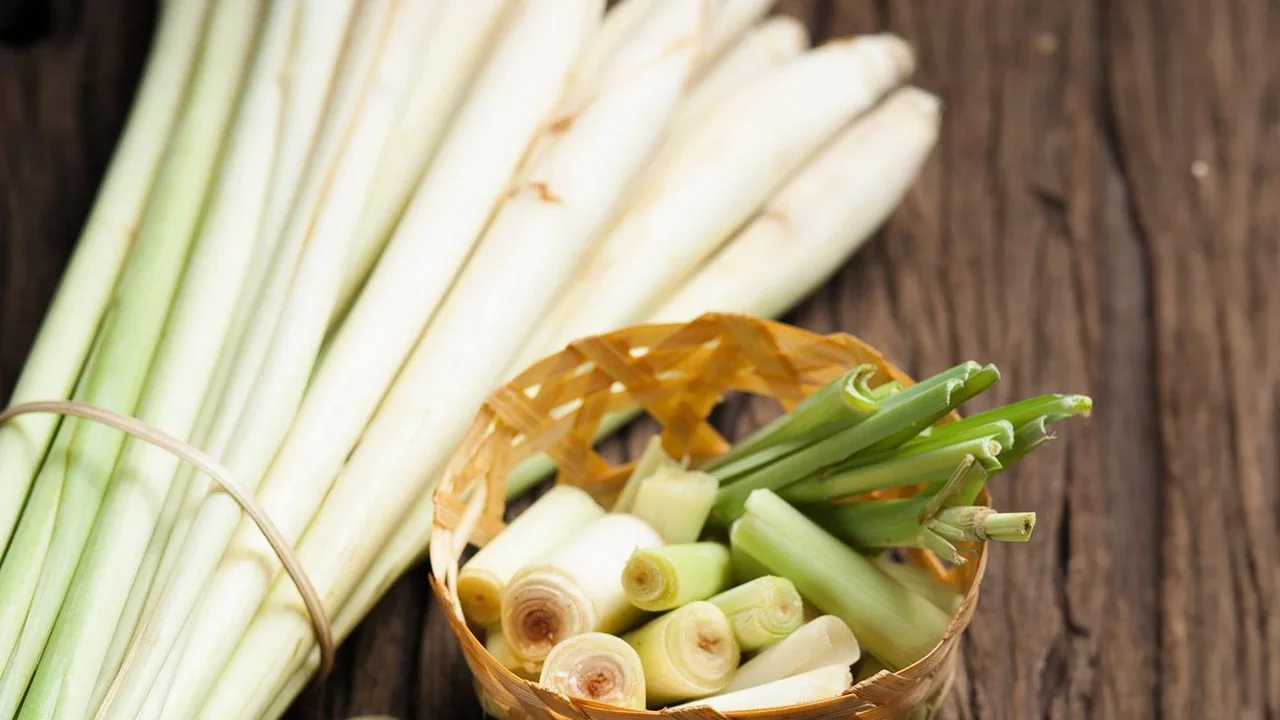
Cultivating Aromatic Lemongrass
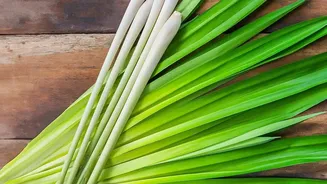
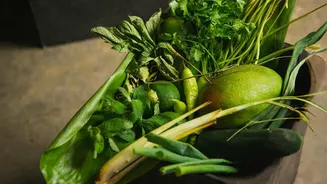
Lemongrass is a tropical grass that absolutely thrives in the warm and humid conditions of the Indian monsoon. It's tough, resilient, and less prone to the problems that affect more delicate herbs. Plant it in a large, deep pot to accommodate its root system. While lemongrass loves water and can handle heavy rainfall, a well-draining soil mix is still beneficial. Place it in a sunny spot on your balcony, as it needs several hours of sunlight to flourish. Lemongrass is not just a culinary delight; its strong citrusy scent is also known to be a natural insect repellent, which is an added bonus during the rainy season. Harvest the stalks by cutting them at the base when they are about half an inch thick.
Organic Pest and Disease Management
High humidity and constant moisture make the monsoon a prime time for pests and fungal diseases. Snails, slugs, aphids, and mealybugs are common culprits. Regularly inspect your plants, especially the undersides of leaves, for any signs of infestation. You can tackle many of these issues organically. A simple spray made of neem oil, a few drops of liquid soap, and water is a powerful, all-purpose solution for repelling many soft-bodied pests and preventing fungal growth. Removing any yellowing leaves or diseased parts of the plant promptly helps improve air circulation and stops problems from spreading to the rest of your garden.