






A Respite from Searing Heat
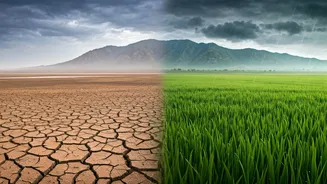
For weeks, North India has been in the grip of an unrelenting heatwave. Temperatures across the plains frequently soared, with some parts of Uttar Pradesh recording highs of over 42 degrees Celsius. Even the hills offered little escape, with popular destinations
like Shimla experiencing unusually warm conditions. This prolonged spell of extreme heat emptied roads and markets, forcing people indoors and even prompting some farmers to work at night to avoid the scorching sun. The recent pre-monsoon showers across Himachal Pradesh and Uttarakhand have been a welcome deliverance. According to the India Meteorological Department (IMD), temperatures have dropped, providing relief from the oppressive conditions that had driven a massive influx of tourists to the hills earlier than usual.
The Hills Awaken
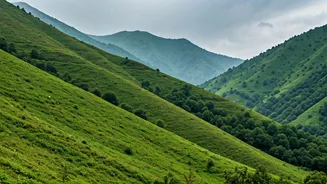
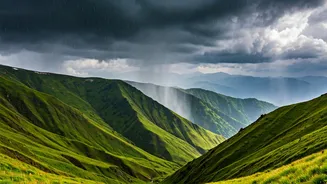
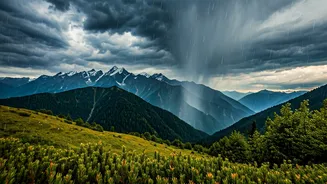
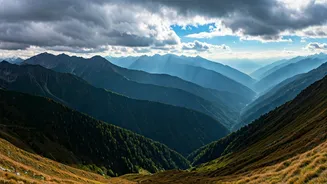
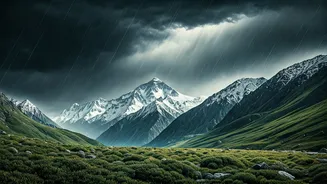
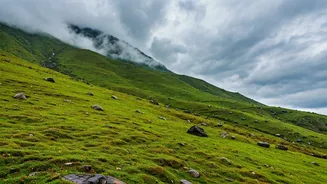
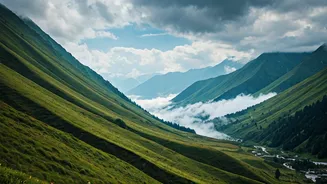
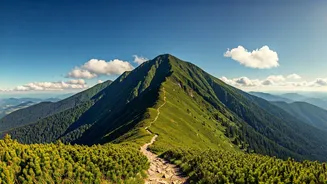
The transformation is palpable. The dust that had settled over the landscape has been washed away, revealing a world eager to be reborn. The parched earth has soaked up the water, and the hillsides are slowly shedding their weary brown for a fresh coat of green. Intermittent rainfall has been recorded in key areas, including Shimla and other parts of Himachal Pradesh and Uttarakhand. This moisture is breathing life back into the region's famed flora. While the official onset of the southwest monsoon is slightly delayed, these initial showers have been enough to change the scenery and the mood, painting a picture of renewal against the backdrop of the mighty Himalayas.
A Shot in the Arm for Tourism
The pleasant weather has acted as a powerful magnet for tourism. Tourists, especially from Delhi and surrounding regions where temperatures neared 50 degrees Celsius, have flocked to hill stations like Shimla. Even before the rains, the heatwave in the plains had caused a surge in bookings, with some destinations seeing a 76% year-on-year increase in June. Hotels in Shimla have reported occupancy rates as high as 90% on weekends. Visitors speak of the joy of escaping the city's pollution and dust for the clean, cool air of the mountains. The rains, far from being a deterrent, have enhanced the experience, creating a refreshing atmosphere that makes for a perfect getaway.
Nourishment for Farms and Orchards
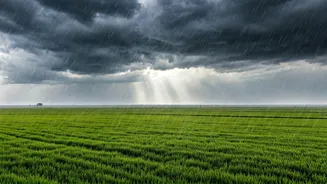
Beyond the scenic vistas and tourist hubs, the rain holds profound significance for the region's agrarian economy. The pre-monsoon showers are crucial for the apple orchards of Himachal Pradesh and the various crops grown in the terraced fields of Uttarakhand. The IMD has advised farmers to ensure proper drainage in their fields to prevent waterlogging but has also highlighted the benefits of the rain for maize and rice nurseries. While the monsoon's full arrival is awaited, these early showers provide the necessary moisture to prepare the soil for the main planting season, offering a promising start for farmers who depend on the seasonal rains for their livelihood.
A Word of Caution
The arrival of the monsoon in the Himalayas is a double-edged sword. While it brings life and relief, it also carries the risk of natural disasters. The mountainous terrain is vulnerable to landslides, flash floods, and cloudbursts, especially during intense rainfall. In 2023, heavy monsoon rains led to over 160 landslides and dozens of flash floods in Himachal Pradesh alone. In response, both Himachal Pradesh and Uttarakhand have been stepping up their disaster preparedness. Authorities have been instructed to identify vulnerable spots, clean drains, and ensure response teams are ready. Tourists and residents are advised to remain cautious, follow weather advisories, and avoid unnecessary travel during heavy downpours.