



Embrace the Emerald Season
The monsoon in Assam is not just a season; it's a grand rejuvenation. As the rains sweep across the plains, the state sheds the dry dust of summer and cloaks itself in countless shades of emerald. The scent of wet earth mixes with the fragrance of blooming
flora, and the mighty Brahmaputra river swells with life. This is a time of sensory overload in the best possible way. For the eco-conscious traveller, it presents an opportunity to see the state in its most authentic form—alive, rhythmic, and soulfully green. The usual tourist trails are quieter, allowing for a more intimate connection with nature and culture. While concerns about floods are valid, many parts of the state remain safe and incredibly welcoming, offering a peaceful retreat for those willing to embrace the rain.
Beyond the Usual Suspects: Where to Go
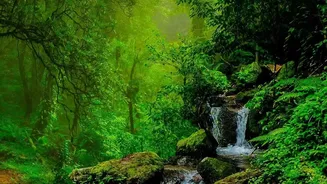
While iconic parks like Kaziranga and Manas are largely closed due to flooding, the monsoon opens up other, equally enchanting destinations. Assam's only recognised hill station, Haflong, becomes a misty paradise. Clouds drift through the valleys, waterfalls appear overnight, and the forested hills invite trekking and exploration. For wildlife enthusiasts, Pobitora Wildlife Sanctuary, known for its dense population of one-horned rhinoceroses, often remains partially accessible and offers a thrilling monsoon safari experience. Another gem is Dibru-Saikhowa National Park, a biosphere reserve of wetlands and grasslands that thrives during the rains, making it perfect for boat safaris and birdwatching. The historic town of Sivasagar, with its ancient Ahom-era monuments, appears even more picturesque when washed clean by the monsoon showers.
A Symphony in the Tea Gardens
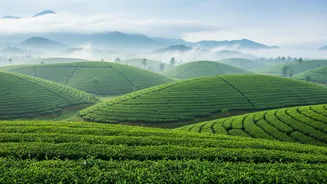
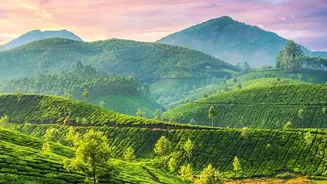
There is perhaps no better time to witness the magic of Assam's tea gardens than during the monsoon. The plantations, stretching for miles around hubs like Jorhat and Dibrugarh, become intensely vibrant, their lushness a feast for the eyes. Staying in a heritage tea bungalow during this season is an experience in itself. Imagine waking up to the soft drumming of rain on the roof, sipping a freshly brewed cup of robust Assam tea, and looking out at a landscape shimmering with rain-soaked leaves. Many estates offer guided tours where you can learn about the tea-making process, from the plucking of the tender leaves to the final brew. The monsoon months from June to September are considered a highly favoured time for tea tourism.
Life on the Mighty Brahmaputra
The Brahmaputra river is the lifeline of Assam, and the monsoon showcases its formidable power and beauty. While long-distance luxury cruises are paused during these months due to the high water levels and strong currents, the river is far from dormant. Shorter ferry rides to destinations like Majuli, the world's largest river island, continue to operate, offering a unique perspective on riverine life. Visiting Majuli during the rains reveals a landscape of verdant rice fields and serene monasteries, where life moves at a gentler pace. The gateway city of Guwahati also offers beautiful riverfront views, with temples like Umananda and Kamakhya feeling especially mystical against the grey monsoon skies.