

Saturn Shines Brightest
October kicks off with a special treat for planet-gazers. On October 4, Saturn will be at opposition, meaning Earth is directly between the ringed planet and the Sun. This alignment makes Saturn appear at its biggest and brightest for the entire year,
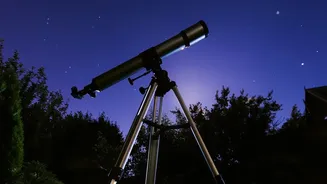
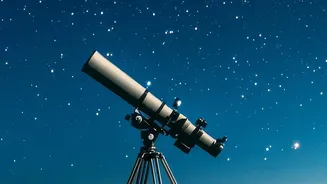
visible all night long as a steady, yellowish point of light. While you'll need a telescope to see its famous rings, Saturn itself will be easily visible to the naked eye. Look for it rising in the east around sunset and tracking across the sky throughout the night. It offers a fantastic opportunity to spot a neighbouring world without any special equipment.
The Draconid Meteor Shower
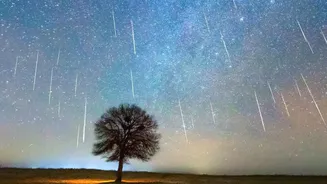
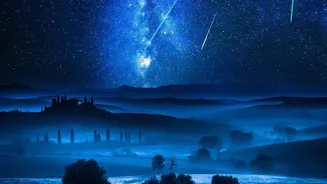
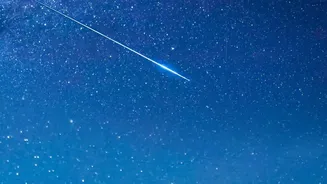
Mark your calendar for the evening of October 8-9 for the Draconid meteor shower. Unlike many meteor showers that require you to stay up until the wee hours, the Draconids are best viewed in the early evening, just after full darkness sets in. This shower is produced by debris from the comet 21P/Giacobini-Zinner. While it's typically a modest shower, producing about 5 to 10 meteors per hour, viewing conditions in 2026 are nearly perfect. The moon will be a thin crescent, meaning its light won't wash out the fainter shooting stars. Find a comfortable spot, look toward the northern sky, and be patient.
The Orionid Meteor Shower
One of the most reliable and anticipated showers of the year, the Orionids, will peak on the night of October 21-22. These meteors are fragments of the famous Halley's Comet, and they are known for being bright and fast, sometimes leaving persistent trails. At its peak, the shower can produce up to 20 meteors per hour in a dark sky. The main challenge this year will be a bright waxing gibbous moon. However, the moon sets a few hours before dawn, opening a window of dark sky for prime viewing. Your best bet is to head out after midnight, find a dark location away from city lights, and look up. The meteors will appear to radiate from the constellation Orion but can be seen across the entire sky.
The Full Hunter's Moon
October’s full moon, traditionally known as the Hunter's Moon, will rise on the evening of October 25 and reach its peak illumination just after midnight on October 26. This full moon follows the Harvest Moon and gets its name from the time of year when hunters would use the moonlight to spot game in the cleared fields. The most breathtaking view is often during moonrise, when the moon appears largest and can take on a beautiful golden or orange hue as it climbs above the horizon. This is caused by looking at it through a thicker layer of Earth's atmosphere. Find a spot with a clear view of the eastern horizon around sunset for the best show.
Tips For The Best Viewing
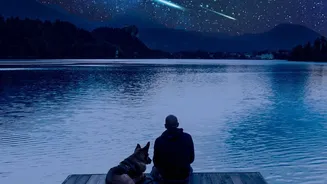
You don't need to be an expert to enjoy the night sky. The most important step is to get away from city lights, as light pollution can obscure all but the brightest objects. Even a park or a darker suburban backyard can make a huge difference. Allow your eyes at least 20 minutes to fully adjust to the darkness; this will help you spot fainter meteors and stars. Resist the urge to look at your phone, as its bright screen will ruin your night vision. Finally, dress warmly and get comfortable. A reclining chair or a blanket on the ground will save you from a sore neck and allow you to simply lie back and enjoy the cosmic display above.