






September's Festive Calendar
September 2026 is packed with significant festivals that see millions of people travelling across India to be with their families. The month kicks off with Krishna Janmashtami on September 4, followed by Hartalika Teej and the start of the massive ten-day
Ganesh Chaturthi festival on September 14. The celebrations for Ganesh Chaturthi continue until Ganesh Visarjan and Anant Chaturdashi on September 25, followed by the beginning of Pitru Paksha on September 27. This concentration of holidays guarantees a massive surge in travel demand, particularly on the railway network.
The Challenge: Navigating the Rush
Booking a train ticket during festival season in India is notoriously difficult. With demand far outstripping the supply of seats, tickets on popular routes are often sold out within minutes of the booking window opening. According to Indian Railways rules, the Advance Reservation Period (ARP) for most trains is 60 days. This means that for a journey on September 14, booking would open around mid-July. If you haven't booked yet, you are entering the most competitive phase, where waiting lists grow longer by the hour. Understanding this timeline is the first step in creating a successful booking strategy.
Understanding 'Festival Special' Trains
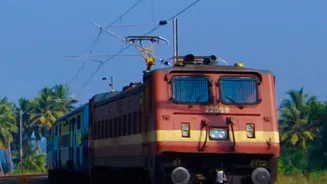
To manage the extra passenger load, Indian Railways typically announces 'Festival Special' or 'Suvidha Special' trains. These are additional services deployed on high-demand routes during festive periods. However, there are a few things to keep in mind. These trains are not always part of the regular schedule and are announced closer to the festival dates. They may also have different booking windows, sometimes shorter than the standard 60-day ARP, and fares might be based on a dynamic pricing model, making them more expensive than regular tickets. The key is to stay vigilant for announcements from zonal railways, which are often made through press releases and on their official social media handles.
Your Action Plan for Booking Tickets
Securing a confirmed ticket requires speed and preparation. Start by creating a 'Master List' of passengers on your IRCTC account, which allows you to pre-fill details like name, age, and ID, saving precious seconds during the booking process. When booking, use faster payment methods like UPI or the IRCTC eWallet, as payment gateway delays are a common reason for booking failures. If you find your preferred train is full, check for alternative routes or consider booking from a station slightly before or after your main boarding point, as this can sometimes open up different ticket quotas. Finally, be ready for Tatkal bookings, which open one day before the journey at 10 AM for AC classes and 11 AM for non-AC classes.
When All Else Fails: Backup Options
Even with the best-laid plans, you might end up with a waitlisted ticket. Don't lose hope immediately. Monitor your PNR status frequently, especially in the 72 hours before your travel date, as this is when many cancellations occur and waitlisted tickets get confirmed. If your PNR status remains grim, it's wise to have backup plans. Look into premium bus services, which often increase their fleet during festival times. Carpooling with trusted friends or using verified ride-sharing apps can also be a viable, albeit more expensive, alternative. The goal is to have a Plan B and even a Plan C, so you're not left stranded.