







The Annual Gridlock
For millions of urban Indians, the onset of the monsoon is met with a sense of dread. It’s not the rain itself, but the paralysis that follows. A few hours of heavy downpour is often enough to submerge key roads and underpasses, turning a 30-minute drive
into a three-hour ordeal. Traditional drainage systems, many designed decades ago, are frequently overwhelmed by a combination of intense rainfall, rapid urbanisation, and blockages caused by solid waste. Municipal crews work tirelessly to clear drains, but their approach is often reactive—they can only fix a clog once it has already caused significant waterlogging. This reactive cycle means commuters are left stranded and transport networks grind to a halt, costing the economy and citizens valuable time.
A Proactive Solution Emerges
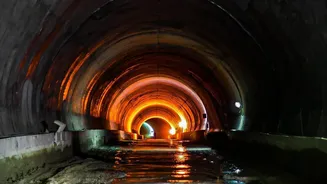
Instead of waiting for floods to happen, a growing number of Indian cities are turning to a proactive strategy powered by the Internet of Things (IoT). The solution lies in making our drainage systems intelligent. By installing smart sensors inside stormwater drains, municipal corporations can get a real-time look at what’s happening underground. This marks a fundamental shift from reacting to a disaster to preventing it before it starts. These sensors act as an early warning system, providing crucial data that allows authorities to act precisely and efficiently.
How Smart Drain Sensors Work
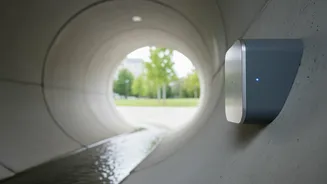
The technology itself is elegantly simple. Small, robust sensors, often using ultrasonic or pressure-based technology, are placed at strategic points within the city's drainage network. These devices continuously measure key parameters like the water level, the rate of flow, and even the presence of gases from decomposing waste. This data is transmitted wirelessly to a central control room, where it’s displayed on a digital dashboard. If the water level in a particular drain rises suspiciously fast, it indicates a potential blockage. If the flow rate drops to zero despite incoming water, it confirms a clog. This allows officials to see a problem developing long before the water spills onto the streets.
From Data to Dry Roads
Having the data is one thing; acting on it is what prevents traffic snarls. When the central dashboard flags an anomaly, the system can automatically trigger an alert. A maintenance crew is then dispatched not just to a general area, but to the exact location of the impending blockage. They can clear out the silt, plastic bags, and other debris before the heaviest rains arrive, ensuring the drain functions at full capacity when it’s needed most. Some advanced systems can even be linked to automated pumps or flow control valves, which can activate to reroute water or increase drainage capacity without manual intervention. This targeted, predictive maintenance means fewer flooded roads and, consequently, smoother traffic flow during the monsoon.
Early Success in Indian Cities
This is no longer just a theoretical concept. Cities across India are already implementing this technology. In Mumbai, the Brihanmumbai Municipal Corporation (BMC) is expanding its network of water-level sensors in major stormwater drains and rivers as part of a major flood control plan. After a successful pilot, all dewatering pumps in the city are being equipped with IoT sensors for real-time monitoring from a central control room. Similarly, cities like Bengaluru, Chennai, and Delhi are integrating smart sensors into their drainage master plans to better manage waterlogging. While still in early stages, the goal is clear: use technology to make monsoon response faster and more effective, keeping the city moving even during heavy downpours.
The Road Ahead
Smart sensors are not a magical cure-all for urban flooding. They are one part of a much larger puzzle that includes better urban planning, disciplined waste management, and upgrading outdated infrastructure. The effectiveness of these sensors depends on a swift and organised response from municipal teams. However, they represent a critical technological leap. By providing the right information at the right time, they empower cities to manage their resources far more effectively, turning a chaotic, reactive process into a controlled, proactive one. For the average commuter, this technological shift could mean the difference between getting home on time and being stuck in a waterlogged traffic jam for hours.