





What Is Ambali?
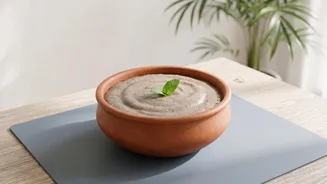
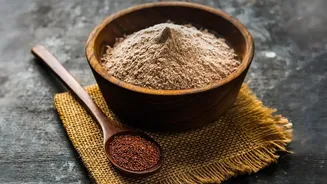
Ambali is a traditional beverage originating from the southern states of India, particularly Karnataka, Andhra Pradesh, and Telangana. At its core, it is a savoury, thin porridge made from ragi (finger millet) flour. What makes it unique is the fermentation
process. After the ragi flour is cooked into a paste and cooled, it's left to ferment, often overnight in a traditional clay pot. This process gives the drink its characteristic slightly sour, tangy taste and a host of health benefits. Typically, it's finished with buttermilk or curd, and seasoned with simple ingredients like salt, finely chopped onions, green chillies, and curry leaves, making for a refreshing and earthy drink.
A Natural Probiotic Powerhouse
The headline feature of Ambali is its probiotic content, a direct result of fermentation. This process encourages the growth of beneficial bacteria, which are essential for a healthy gut microbiome. A thriving gut flora is linked to improved digestion, reduced bloating, and a stronger immune system. Furthermore, fermentation helps to break down anti-nutrients like phytates that are naturally present in millets. This reduction allows for better absorption of crucial minerals such as iron and calcium, making the nutrients in ragi more accessible to the body.
More Than Just a Probiotic
Beyond its gut-friendly properties, Ambali is a nutritional heavyweight thanks to its star ingredient, ragi. Finger millet is a celebrated superfood, known for being one of the best plant-based sources of calcium, vital for bone health. It is also rich in dietary fibre, which promotes a feeling of fullness, aids in weight management, and helps to maintain stable blood sugar levels. Its high water content and natural cooling properties make Ambali an excellent choice for hydration and for beating the heat during hot Indian summers.
From Rural Staple to Urban Trend
So why is this rustic drink suddenly finding favour in fast-paced urban centres? The rise of Ambali is part of a larger cultural shift towards wellness and a renewed appreciation for traditional, natural foods. As city dwellers become more conscious of what they consume, there is a growing demand for alternatives to sugary, processed beverages. Ambali fits perfectly, offering hydration, sustained energy without sugar spikes, and genuine health benefits. This ancient wisdom is being rediscovered by a new generation, with health-conscious individuals and even some cafes adding this nourishing drink to their menus, celebrating it as a delicious link to India's culinary heritage.
Making Ambali at Home
The beauty of Ambali lies in its simplicity. To make it at home, start by creating a slurry with ragi flour and water, ensuring there are no lumps. Boil water in a separate pot, then slowly add the ragi slurry, stirring continuously until the mixture thickens and turns glossy. Let this cooked porridge cool down completely. Once at room temperature, transfer it to a container (a clay pot is traditional), cover it, and let it ferment for at least eight hours or overnight. The next day, whisk the fermented porridge, mix in buttermilk or curd, and season with salt, chopped onions, ginger, and coriander leaves to your liking. It can be served at room temperature or slightly chilled for a refreshing treat.