





What is a Terrace Forest?
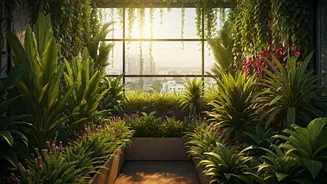
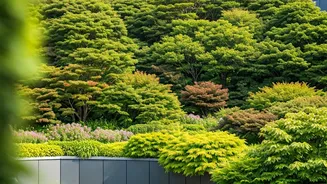
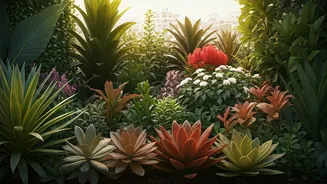
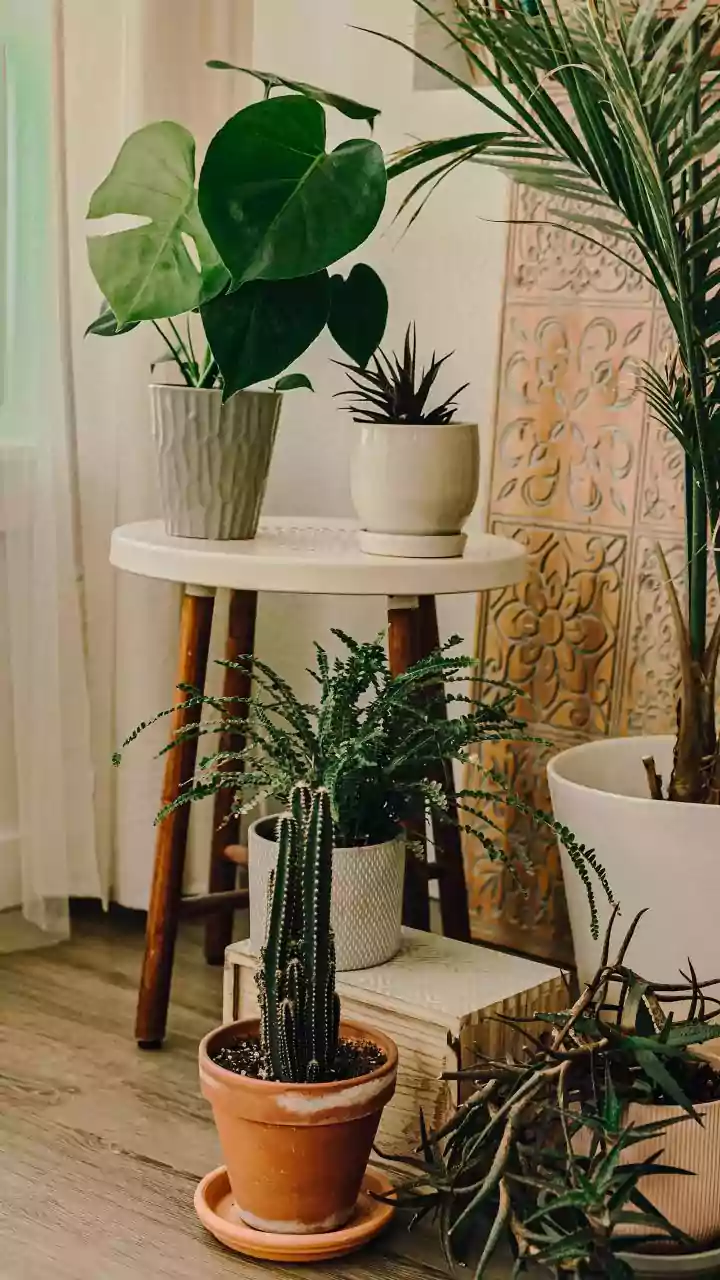
The term "terrace forest" can describe two inspiring concepts. On a personal scale, it refers to transforming a private terrace, balcony, or rooftop into a dense, multi-layered garden that mimics a natural forest ecosystem. [7, 8] This can involve planting
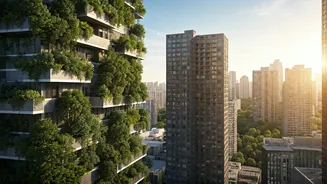
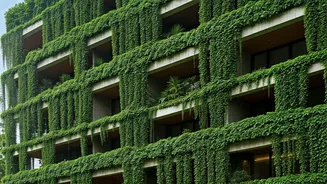
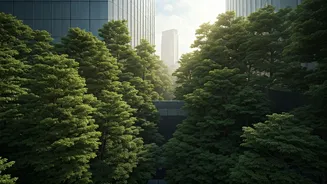
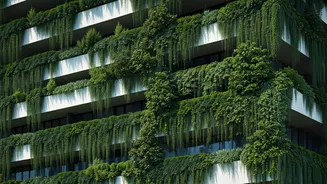
a mix of trees, shrubs, herbs, and climbing plants to create a self-sustaining green space. [7] On a grander architectural scale, the concept evolves into "vertical forests": high-rise buildings designed with large, cantilevered terraces that hold hundreds of trees and thousands of plants. [3, 4] The pioneering example is Milan's Bosco Verticale, two residential towers that host an amount of vegetation equivalent to hectares of traditional forest, all growing vertically on the building's facade. [5, 23] Both approaches share a common goal: to integrate nature deeply into our urban homes.
The Green Benefits: More Than Just a Pretty View
The appeal of a terrace forest goes far beyond aesthetics. These green spaces are environmental powerhouses. The vegetation acts as a natural air filter, absorbing carbon dioxide and fine dust particles while producing oxygen. [5, 6] This improves local air quality, creating a healthier microclimate for residents. [15] Furthermore, the dense foliage provides significant insulation, shading buildings from the sun and reducing indoor temperatures by up to 3 degrees Celsius. [10, 12] This natural cooling effect lowers the need for air conditioning, leading to energy savings of around 7.5% in some cases. [10] These vertical gardens also help mitigate the urban heat island effect, where cities are significantly warmer than surrounding rural areas, and they reduce noise pollution by acting as a natural sound buffer. [6, 12]
A Boost for Biodiversity and Well-being
One of the most exciting aspects of terrace and vertical forests is their ability to create new ecosystems within the city. These green havens attract birds, butterflies, bees, and other insects, creating pockets of biodiversity where it is often scarce. [5, 7] For residents, the benefits are just as profound. Living in close proximity to nature has been shown to reduce stress, improve mental well-being, and enhance overall quality of life. [7, 13] The ability to step out into a personal green oasis offers a powerful antidote to the pressures of urban living. In India, individuals are already embracing this trend, with people in cities like Bengaluru and Delhi turning their own terraces into thriving mini-forests that support wildlife and provide a personal connection to nature. [8, 16, 24]
From Individual Passion to Architectural Movement
While individual efforts are transforming rooftops across India, the architectural trend of biophilic design—which seeks to connect building occupants more closely to nature—is also gaining momentum. [9, 13] Architects and designers are increasingly incorporating green roofs, living walls, and extensive planting into new projects. [21] This movement is inspired by global icons like Bosco Verticale but adapted to local contexts, using native plant species and climate-responsive designs. [7, 9] Projects range from personal gardens that require careful planning around a roof's weight-bearing capacity to large-scale residential towers. [7, 8] The challenge lies in making this trend accessible and sustainable, with considerations like water management—often using rainwater harvesting and greywater recycling—and ongoing maintenance being key to success. [3, 8]