




The Search for a Unique Identity
In a world saturated with mass-produced goods, the desire for individuality has become a powerful driver for consumer choice, especially among millennials and Gen Z. These generations see their homes as extensions of their personality, and generic, cookie-cutter
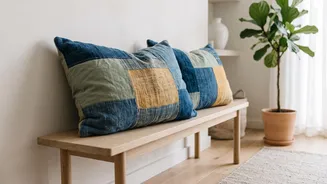
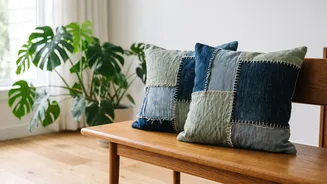
decor simply doesn't align with their need for self-expression. A handcrafted item, with its subtle imperfections and unique character, offers something a factory line cannot: a sense of one-of-a-kind ownership. This psychological pull is so strong that consumers often develop an emotional attachment to products they've had a hand in customizing, reinforcing the feeling that 'I made this, so it's mine'. This move towards personalization is a rejection of passive consumption, turning home decorating into an active process of co-creation and identity building.
Every Object Tells a Story
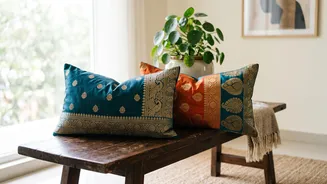
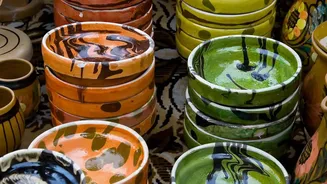
Beyond just being unique, handcrafted items come with a narrative. Young consumers in India are increasingly interested in the story behind their purchases: who made it, what traditional techniques were used, and where the materials came from. This demand for authenticity and transparency is reshaping the market. Brands are finding that honest communication and 'behind-the-scenes' content that highlights local sourcing fosters a deep sense of trust. Whether it's a block-printed cushion from Rajasthan or a piece of Pattachitra from Odisha, owning the item means participating in its history. This connection to heritage provides a sense of grounding and meaning that mass-produced items, by their very nature, lack.
Sustainability and Conscious Consumerism
The environmental and ethical concerns associated with 'fast fashion' have found a parallel in the home goods space, often termed 'fast furniture'. Younger consumers are acutely aware of the planetary cost of mass production and are actively seeking sustainable alternatives. A recent study noted that Gen Z and millennials are willing to pay more for products they know are environmentally responsible. Handcrafted goods often align with these values, utilizing natural materials and low-waste production methods. In India, a survey found that 76% of consumers actively seek out eco-friendly products, making sustainability a key priority. This conscious choice is a vote for a different kind of economy—one that values quality and mindful consumption over rapid, disposable trends.
Championing Local Artisans and Economies
The choice to buy handcrafted is also a choice to support local communities. In India, where the handicraft sector employs over 7 million artisans, this decision has a significant economic impact. A 2025 survey revealed that over half of Indian consumers prefer to buy from homegrown brands and small businesses, appreciating their relatable stories and authentic value. By purchasing directly from weavers, potters, and carvers, consumers are helping to preserve age-old skills that have been threatened by industrial manufacturing. This not only helps boost the local economy but also empowers artisans, ensuring their craft is passed down to future generations and continues to thrive.
The Rise of the Digital Artisan Marketplace
Finding these unique, handcrafted treasures is easier than ever thanks to social media and e-commerce platforms. Instagram, Pinterest, and specialized online stores have become virtual marketplaces, connecting urban consumers directly with artisans in remote craft clusters. This digital bridge allows makers to showcase their work, tell their stories, and reach a global audience without relying on traditional middlemen. For consumers, it turns shopping into an act of discovery, allowing them to find pieces that truly resonate with their personal style and values. This digital transformation is making India's rich craft heritage more accessible and relevant to a new, digitally savvy generation.