






What Exactly is This 'Cloud' on the Horizon?
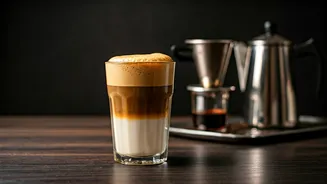
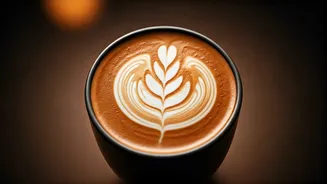
Cloud coffee is a visually striking beverage that prioritises texture and aesthetics, making it a star on platforms like TikTok. [4] It is typically a cold drink made by layering a whipped, frothy topping over a liquid base. [2, 11] While recipes vary,
the most popular version involves pouring a shot of espresso combined with a creamer over iced coconut water. [4, 18] This creates a beautiful layered effect, with the coffee foam floating like a cloud. Unlike its viral predecessor, Dalgona coffee—which is made by whipping instant coffee, sugar, and water into stiff peaks—cloud coffee often uses brewed espresso or strong coffee for a more subtle, less intensely bitter flavour. [2] The focus is on a light, airy, and creamy sensation, offering a gentle and customisable coffee experience that can be served hot or cold. [2]
The Unchanging Ritual of Filter Kaapi
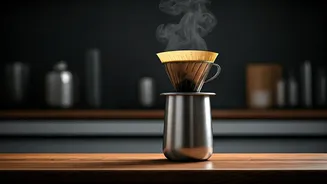
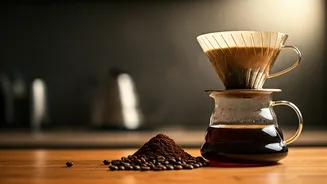
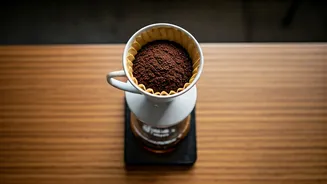
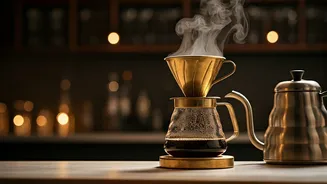
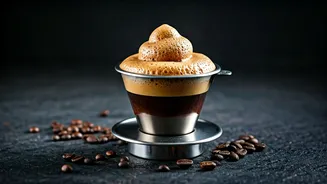
In stark contrast to this modern trend stands the time-honoured South Indian filter coffee, affectionately known as 'kaapi'. [10] Its history in India traces back to the 17th century, and it has since become a cornerstone of South Indian culture and hospitality. [7, 10, 16] The magic of filter coffee lies in its slow percolation brewing method using a traditional metal filter. [12, 13] A blend of dark-roasted coffee beans, often mixed with chicory to add body and a subtle bitterness, is used to create a potent concentrate called a decoction. [7, 14] This decoction is then mixed with hot, frothed milk and sugar, and traditionally served in a 'dabara' and tumbler, where it's poured back and forth to cool it and create a perfect froth. [7, 13] It's a taste that is robust, aromatic, and deeply comforting—a daily ritual for millions. [14, 15]
A Tale of Two Coffees: Hot Ritual vs. Cold Treat
The differences between filter coffee and cloud coffee go far beyond their ingredients. It's a matter of purpose and philosophy. Filter coffee is a hot, strong, and invigorating brew designed to awaken the senses, an integral part of a daily routine. [15, 17] Its preparation is a patient, traditional process. [16] Cloud coffee, on the other hand, is almost always served cold and is more of an indulgent, dessert-like beverage. [3, 4] Its appeal is largely visual and textural—the silky foam, the layered look, the refreshing coolness. [3, 4] Where filter coffee is about deep, roasted, and sometimes earthy notes from chicory, cloud coffee is about creamy, subtle sweetness, often with a tropical hint from coconut water. [2, 4, 7] One is a cultural institution steeped in history; the other is a product of modern, globalised café culture. [3, 10]
A Place for Both? Or a Passing Cloud?
New coffee trends are constantly emerging, each having its moment in the spotlight. [3] We saw it with the Dalgona craze during the 2020 lockdowns, and cloud coffee seems to be the next iteration, blending elements from previous viral drinks. [3, 4] For the dedicated filter coffee loyalist, it's unlikely that a cold, frothy creation will ever replace the morning 'kaapi'. [17] The tradition and nostalgic connection to filter coffee are too deeply woven into the cultural fabric. [15, 17] However, that doesn't mean there isn't room for exploration. Cloud coffee isn't trying to be a replacement; it offers a different experience altogether. It's a fun, refreshing, and aesthetically pleasing drink perfect for a warm afternoon or as a light treat. It represents the playful, creative side of coffee culture, where experimentation leads to new sensations.