








What the Weather Gods Say
The India Meteorological Department (IMD) has been busy. As of late June, the southwest monsoon has advanced across most of the country, but its performance has been erratic. After a drier-than-usual start to the month, recent days have seen a surge in
activity. For the next 48 hours, heavy to very heavy rainfall alerts are in place for the Konkan coast, which includes Mumbai. Central and northeast India are also expecting significant downpours. However, parts of North India, including Delhi, are still experiencing a delayed onset, caught between heatwave conditions and the approaching rain clouds. The key takeaway from the experts is that the monsoon is active and unpredictable, demanding caution from everyone.
Ground Report from the Cities
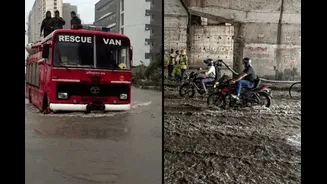
On the ground, the abstract forecasts are turning into tangible chaos. In Mumbai, heavy overnight showers on June 29th dumped over 100 mm of rain in just a few hours, leading to predictable and paralysing waterlogging. Areas like the Andheri subway and LBS Marg in Mulund became no-go zones, bringing traffic to a crawl. Local train services, the city's lifeline, reported delays, adding to commuter woes. Delhi-NCR, while still waiting for the full monsoon onset, has had a taste of what's to come. Pre-monsoon thundershowers have already caused traffic snarls and waterlogging at infamous choke points like Minto Bridge. Meanwhile, Bengaluru has been grappling with its own set of problems, with sudden evening downpours leading to flash floods on key arterial roads like the Outer Ring Road, severely impacting the tech corridor's commute. The story is the same across urban India: when it rains, it pours, and the city slows to a halt.
Your Monsoon Commute Toolkit
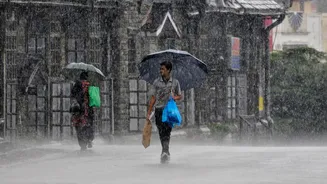
Surviving the monsoon commute is less about hope and more about preparation. Think of it as assembling a toolkit for urban exploration in extreme weather. First, your smartphone is your best friend. Before you even step out, check real-time traffic updates on apps like Google Maps or Waze and the latest weather alerts from the IMD. Second, waterproof everything. Your phone, wallet, and any electronics should be in sealed bags. A power bank is non-negotiable; you don't want a dead phone when you're stranded. Third, your choice of gear matters. Opt for sturdy, non-slip footwear. Carry a reliable raincoat or umbrella. An emergency kit in your car with a first-aid box, flashlight, and some snacks can be a lifesaver during long traffic jams. Finally, keep emergency contact numbers handy and share your travel itinerary with someone at home.
Navigating Public Transport
If you rely on public transport, the monsoon requires a different strategy. For train commuters in cities like Mumbai, expect delays. Track flooding is a common issue that can slow down or halt services entirely. It's wise to add a significant buffer to your travel time. Follow the official social media accounts of your local railway and metro operators for the fastest updates on service status. Bus routes are often diverted due to waterlogged roads. Many transport authorities now offer apps that provide real-time tracking and route change information. Using these can save you from waiting at a stop for a bus that is never going to arrive. Ride-hailing services will see surge pricing, so be prepared for higher fares and longer wait times during peak rain hours.
The Case for Staying Home
Sometimes, the smartest commute is no commute at all. The post-pandemic work culture has made remote work a viable option for many. On days with red or orange alerts for extremely heavy rainfall, check your company’s policy on working from home. Many employers are now more flexible, prioritizing employee safety over physical presence in the office. If your role allows it, logging in from home is the safest and most efficient choice, freeing up the roads for essential service workers who do not have that option. A conversation with your manager about a flexible policy for severe weather days is a proactive step that benefits everyone.