



A Coastline Straight Out of a Sci-Fi Film
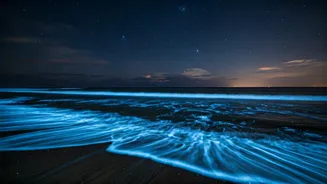
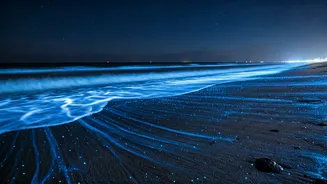
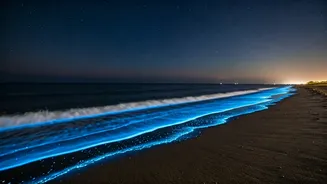
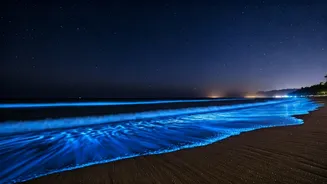
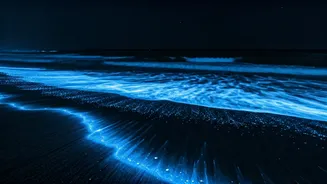
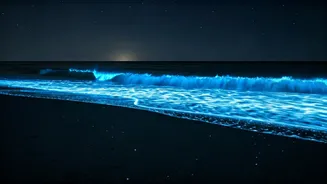
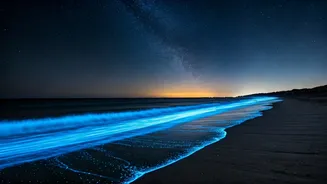
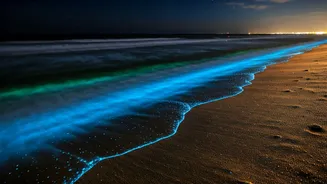
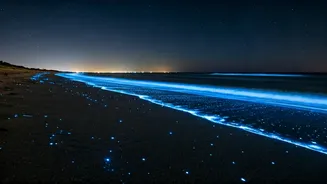
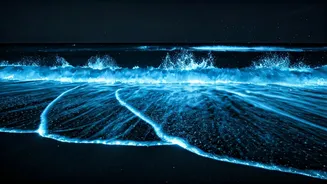
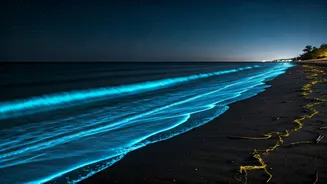
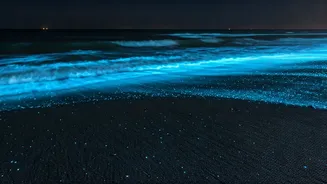
In late 2023, photographers and locals along the coast of Karnataka, a state in southwestern India, were treated to a jaw-dropping natural light show. As night fell, the waves rolling onto beaches near Udupi and Mangaluru began to emit a ghostly, pulsating
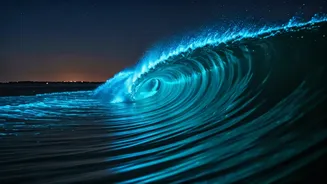
blue glow. Every splash, every footprint in the wet sand, and every disturbance in the water ignited a flash of otherworldly light. The phenomenon, known as bioluminescence, quickly went viral, with images evoking scenes from fantasy movies like Avatar or Life of Pi. For many, it was a breathtaking spectacle, a rare moment where nature pulls back the curtain to reveal one of its most mesmerizing tricks.
The Science Behind the 'Sea Sparkle'
So, what exactly is happening here? The glow isn't a chemical spill or some kind of pollution, but a natural process called bioluminescence. It’s the same phenomenon that allows fireflies to light up a summer evening. In the ocean, this light is produced by living organisms, most commonly a type of single-celled plankton called dinoflagellates. When the water they live in is agitated—by crashing waves, a passing boat, or even a swimmer's hand—it triggers a chemical reaction inside them. This reaction releases energy in the form of cold, visible light. Essentially, the ocean is lighting up because millions upon millions of tiny organisms are getting jostled around and are screaming back with light.
Meet Noctiluca, the 'Sea Ghost'
The primary culprit behind this particular light show is a species of dinoflagellate called Noctiluca scintillans, which translates loosely to “night light” or “sea sparkle.” These microscopic, balloon-shaped organisms are too small to see individually, but when they gather in massive numbers, or “bloom,” their collective glow is impossible to miss. They float near the water's surface, feeding on other plankton. The light they produce is a defense mechanism, a sort of biological burglar alarm. The flash of light is meant to startle a predator, and can also attract a bigger predator to eat the thing that’s trying to eat the Noctiluca. It’s a brilliant, if tiny, example of evolutionary strategy at work.
Is This Beautiful Glow Good News?
Here's where the story gets more complicated. While undeniably beautiful, a massive Noctiluca bloom isn't always a good sign for the marine ecosystem. These blooms are often linked to changes in water chemistry, including an increase in nutrients from agricultural runoff and sewage. Some scientists view these intense blooms as indicators of environmental stress. Furthermore, while Noctiluca itself is not typically toxic, it can lead to problems. As the massive bloom dies and decays, the process consumes huge amounts of oxygen in the water, creating hypoxic “dead zones” where fish and other marine life cannot survive. The plankton also excrete ammonia, which can be harmful to fish populations. So, what appears as a magical light show can sometimes be a warning sign of an ecosystem out of balance.
A Wonder with a Global Footprint
The glowing shores of Karnataka are a powerful reminder that this phenomenon, while rare in its intensity, is not unique to India. Bioluminescent bays and beaches are found around the world, from the famous “Bio Bays” of Puerto Rico to the coast of California and parts of Australia. Each location offers a slightly different version of the same natural magic, driven by local conditions and specific species. These events connect us to the vast, complex, and often hidden life within our oceans. They are a spectacle, but also a data point—a beautiful, glowing measure of the health and chemistry of our planet’s waters.