








The Outer Journey: Walking as Meditation
The practice begins not at the end of your walk, but with the very first step. Many of us walk on autopilot, our minds churning through to-do lists and worries. The goal here is to transform your walk into a form of moving meditation. This isn't about
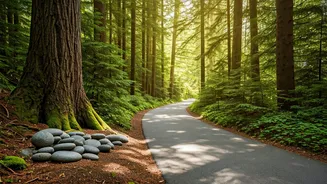
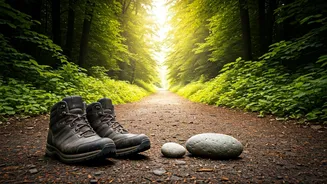
emptying your mind, but about filling it with the present moment. Start by paying attention to the rhythm of your own breathing. Feel the sensation of your feet making contact with the earth. Notice the subtle shifts in the air on your skin, the changing light filtering through the trees, the distant sound of birdsong. By consciously engaging all your senses, you anchor yourself in the 'here and now'. This act of mindful presence is a practice in itself, calming the nervous system and preparing the mind for a deeper state of quietude. It's less about the destination and more about the quality of awareness you bring to the journey.
Building the Bridge: From Movement to Stillness
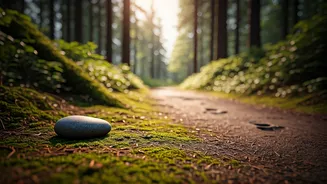
The most crucial part of this blended practice is the transition. How do you carry the momentum of a brisk walk into the stillness of reflection without a jarring halt? The key is to create a gentle, deliberate bridge. As you near the end of your intended walking path, begin to slow your pace gradually. Let your breathing, which may have been deep and powerful, soften and return to a natural rhythm. Find a comfortable and quiet spot to settle—a fallen log, a smooth, sun-warmed rock, or a sheltered patch of grass. This physical act of choosing a spot and settling down is a powerful signal to your body and mind that a shift is occurring. Before you close your eyes or begin any formal reflection, simply sit for a minute or two. Observe your surroundings from this new, stationary perspective. This pause acts as a liminal space, allowing the energy of the walk to ground itself before you turn your focus completely inward.
The Inner Path: A Simple Yogic Reflection
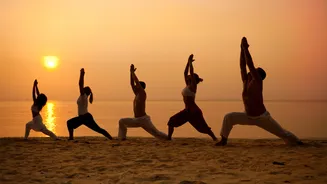
The term 'yogic reflection' doesn't have to mean pretzel-like poses or complex chanting. In this context, it refers to the core principles of yoga concerning the mind. After your transitional pause, find a comfortable seated position. You don’t need to sit cross-legged on the ground if that's uncomfortable; sitting on a log or rock is perfectly fine. The goal is an upright spine that allows for easy breathing. Close your eyes, or soften your gaze towards the ground in front of you. Begin by bringing your awareness back to your breath, just as you did on your walk, but this time notice the stillness of your body. This is a form of *pratyahara*, the yogic concept of withdrawing the senses from external distractions to observe the inner world. Simply watch the flow of your thoughts without judgment. Acknowledge them as they come and go, like clouds passing in the sky. You are not trying to stop your thoughts, only to become a neutral observer of them. This is the heart of *dhyana*, or meditation.
Putting It All Together: A Practical Sequence
For your first time, keep it simple. Plan a 20- to 30-minute walk in a familiar, natural setting where you know you can find a quiet place to sit. 1. The Mindful Walk (15-20 minutes): Start walking with intent. For the first five minutes, just focus on your breath and the feeling of your feet on the ground. For the next ten, broaden your awareness to the sights, sounds, and smells around you. 2. The Slowdown & Settle (2-3 minutes): In the last few minutes of your walk, consciously reduce your pace. Find your spot and get comfortable without rushing. 3. The Seated Stillness (5-10 minutes): Sit with an upright posture. Close your eyes and spend the first minute just listening. Then, turn your attention to the natural rhythm of your breath. For the remainder of the time, simply observe your inner state. When your mind wanders, gently guide it back to the sensation of breathing. To end the practice, slowly bring your awareness back to your surroundings. Wiggle your fingers and toes, and open your eyes when you feel ready. There is no right or wrong way to feel afterwards; simply notice.