





The Limits of the Algorithm
Automation and AI are exceptionally good at specific tasks: analysing vast datasets, identifying patterns, and executing repetitive processes with superhuman speed and accuracy. This has led to huge gains in productivity and efficiency across sectors,
from manufacturing to marketing. However, these technologies primarily excel at optimising existing processes—doing things better. They operate within the boundaries of the data they are trained on and the instructions they are given. Genuine innovation, on the other hand, is about doing new things. It requires stepping outside of established frameworks, challenging core assumptions, and imagining what doesn't yet exist. AI struggles with this because it lacks genuine context, common sense, and the ability to dream beyond its programming.
Creativity: The Human Advantage
In a business context, creativity isn't just about artistic flair. It's the ability to connect seemingly unrelated ideas, ask provocative 'what if' questions, and solve problems in novel ways. While an AI can analyse market trends, it takes human creativity to weave that data into a compelling brand story or an empathetic product design that resonates with customers on an emotional level. This human touch—driven by experience, intuition, and cultural understanding—is what separates a successful product from a mere collection of features. As routine tasks become increasingly automated, skills like critical thinking, emotional intelligence, and strategic imagination become more valuable than ever before. The future of work won't be a race against machines, but a re-focusing on the abilities that make us uniquely human.
From Competitor to Collaborator
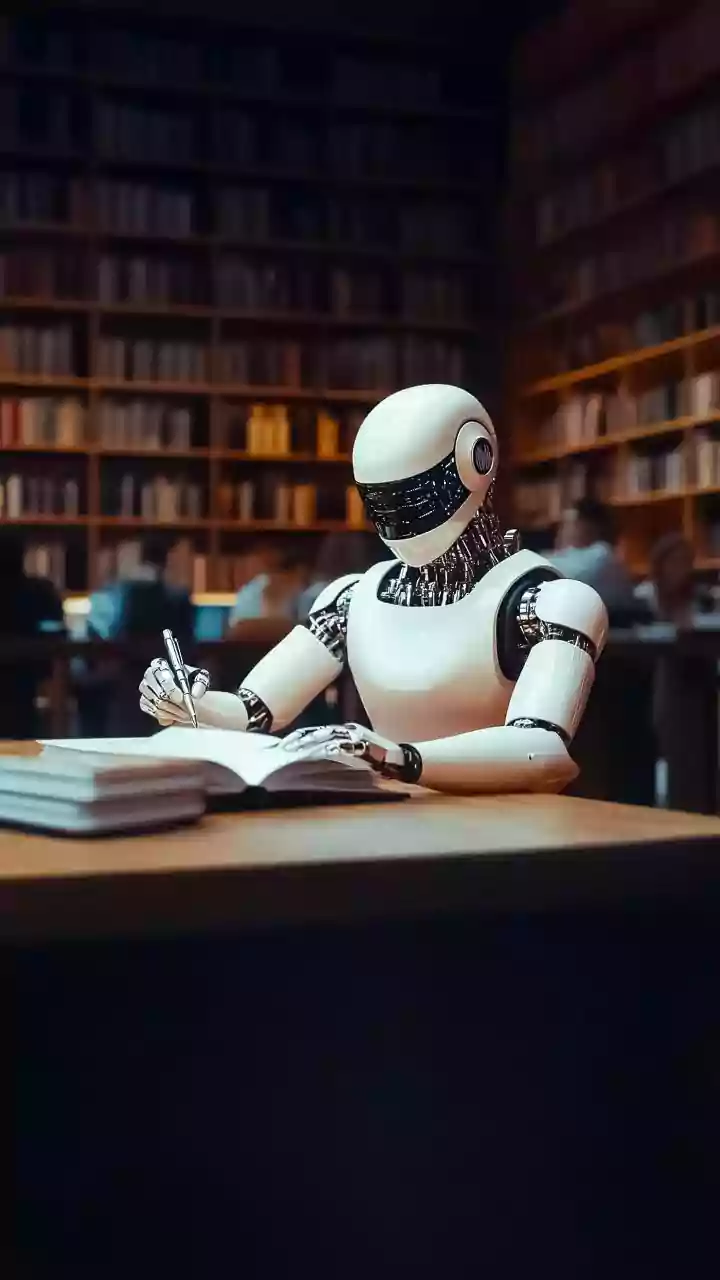
The most forward-thinking companies aren't viewing AI as a replacement for human talent, but as a powerful collaborator. By letting automation handle repetitive and data-heavy tasks, employees are freed up to focus on higher-value creative and strategic work. Imagine a design team using AI to generate hundreds of initial concepts in minutes, allowing them to spend their time refining the most promising ideas. Or marketers using AI to analyse customer data, which then informs the human-led process of crafting a truly original and emotionally resonant campaign. This synergy—where machine efficiency amplifies human ingenuity—is where true breakthroughs happen. AI becomes a tool that can accelerate ideation and overcome creative blocks, not a substitute for the creative spark itself.
Fostering an Innovation Culture in India
For businesses in India, a hub of both technological prowess and immense human capital, nurturing a culture of creativity is a critical competitive advantage. This goes beyond simply adopting the latest AI tools. It means creating an environment where experimentation is encouraged and failure is treated as a learning opportunity. Companies like Google and Atlassian famously give employees dedicated time to work on passion projects, understanding that innovation often comes from unexpected places. Promoting cross-functional collaboration, where data scientists work alongside designers and strategists, can spark fresh perspectives. Investing in continuous learning and skill development is also essential to help employees adapt. By building a workplace that values psychological safety and empowers employees to challenge the status quo, businesses can unlock the full potential of their people.