





The Unstoppable Rise of Scan-and-Pay
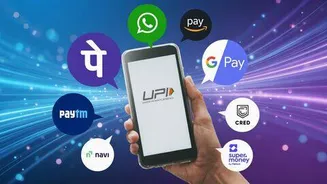
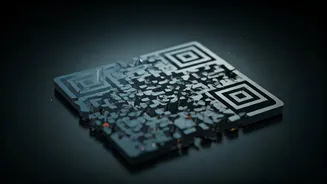
It’s hard to remember a time before them. Powered by the Unified Payments Interface (UPI), QR codes have fundamentally reshaped how India transacts. The adoption was nothing short of revolutionary, accelerated by a government push for a digital economy
and the sheer affordability of the technology. Unlike costly card-swiping machines, a QR code is virtually free for a merchant to set up, drastically lowering the barrier to accepting digital payments. This ease of use triggered an explosion in adoption, with hundreds of millions of QR codes now active across the country, processing billions of transactions monthly and making digital payments accessible even in smaller towns and cities. For millions of small businesses and consumers, it became the default way to pay, celebrated for its speed and simplicity.
The Growing Specter of Fraud
With immense popularity comes unwanted attention. Cybercriminals are increasingly exploiting the trust users place in QR codes. A common and deceptive tactic is the "receive money" scam, where a fraudster sends a QR code claiming it's for a refund or cashback. When the victim scans it and enters their UPI PIN, money is debited from their account instead of being credited. Cybersecurity experts stress a golden rule: you never need to scan a QR code or enter your PIN to receive money. Other emerging threats include fraudsters placing fake QR stickers over genuine ones at merchant locations, redirecting payments to their own accounts. As scams become more sophisticated, they pose a significant threat to user confidence, prompting regulators to introduce tighter security measures.
A Question of Interoperability
Walk up to any small shop, and you might see a cluster of different QR code standees from various payment apps. While the RBI has mandated a shift towards interoperable QR codes like UPI QR and Bharat QR since 2022, challenges remain. The current system, while interoperable within the UPI ecosystem, doesn't always allow for seamless payments across different networks, like card-based systems (Visa, Mastercard). This creates a dependency on the UPI network; if it experiences an outage, most merchant QR codes become unusable. Experts argue that true network-level interoperability—where one QR code can intelligently route a payment from any source, be it UPI or a card network—is the necessary next step to build a more resilient and competitive digital payment architecture.
The Zero-MDR Dilemma
One of the key drivers of QR code adoption was the government's zero Merchant Discount Rate (MDR) policy for UPI and RuPay debit card transactions. This meant merchants weren't charged a fee for accepting these payments, making it an attractive alternative to cash. However, this policy has created a sustainability problem for the payment companies that build and maintain the infrastructure. With no revenue from transaction fees, these firms struggle to cover operational costs and invest in innovation. While the policy successfully spurred adoption, the industry is now grappling with how to create a viable long-term business model. Experts suggest that the future may lie in monetising value-added services like merchant analytics, micro-credit, or insurance rather than the payments themselves.
Challenges Beyond the Urban Core
While QR codes have made impressive inroads into Tier-2 and Tier-3 cities, achieving true universal access comes with its own set of hurdles. In many rural and remote areas, inconsistent internet connectivity remains a significant barrier to reliable digital payments. Though solutions like UPI Lite for offline transactions are being explored, widespread implementation is still a work in progress. Furthermore, digital literacy varies across the population. First-time users and the elderly can be more vulnerable to scams and may find navigating payment apps challenging, highlighting the need for continuous public awareness and education campaigns to ensure no one is left behind in the digital shift.