
The Golden Rule: Acclimatise Properly
The most critical element of any high-altitude Himalayan itinerary is acclimatisation. This is the process by which your body adjusts to the lower oxygen levels at higher elevations. Rushing this can lead to Acute Mountain Sickness (AMS), which can be
dangerous. A widely accepted guideline is to ascend slowly. Above 3,000 metres (around 9,800 feet), you should not increase your sleeping altitude by more than 300-500 metres per day. This means if you sleep at 3,000 metres one night, your next night’s stay should be no higher than 3,500 metres. Furthermore, plan a dedicated acclimatisation day for every 1,000 metres you ascend. This is not a 'wasted' day. Instead, use it to 'climb high, sleep low'. This involves hiking to a higher altitude during the day before descending to your original altitude to sleep, which is one of the most effective ways for your body to adapt.
Build in a Buffer Zone
In the Himalayas, the unpredictable is the only certainty. Weather can turn in an instant, leading to flight delays, especially for crucial flights like the one to Lukla for the Everest trek. Landslides can block roads for hours or even days, a common occurrence in regions like Spiti and parts of Uttarakhand during and after the monsoon. This is where buffer days come in. These are empty, unscheduled days built into your itinerary to absorb delays. They are not for sightseeing; they are your safety net. For any trek or road trip involving flights to remote airstrips or crossing high passes, adding at least two buffer days is a wise investment. For a two-week trip, it's smart to mentally subtract three to four days for travel, acclimatisation, and buffer before deciding if a specific trek fits. Strategically place these buffer days before critical travel legs or after strenuous sections to allow for recovery and flexibility.
Account for Mode of Transport
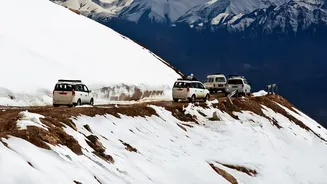
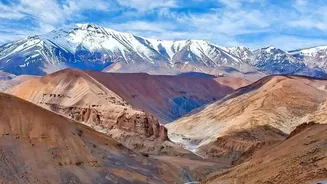
How you travel dictates your schedule. A road trip from Manali to Kaza in Spiti, for example, is around 200 km but can take 8-10 hours due to challenging road conditions. Treks have their own rhythm, measured in hours and elevation gain rather than kilometres. When planning a road trip, study the routes carefully. The Manali-Leh highway, for instance, has several high passes like Baralacha La and Tanglang La, and traversing it safely requires at least one overnight stop. Even after the Atal Tunnel has made access to Lahaul and Spiti easier, road conditions can shift rapidly. Always check real-time road status from official police and district administration advisories before you travel, as online maps are often unreliable in these regions.
Factor in Permit Timelines
Many remote Himalayan regions require permits, especially for non-local visitors. For Indian citizens, areas in Ladakh like Nubra Valley and Pangong Tso require an Inner Line Permit (ILP), which can be obtained online but still needs to be shown at checkposts. States like Arunachal Pradesh also require an ILP for Indian citizens. For foreign nationals, Protected Area Permits (PAPs) are often needed, and these may require you to travel in a small group and apply through a registered travel agent. The process of acquiring these permits, whether online or in person at a district headquarters, can take time. Research the specific permits for your destination well in advance and factor in a day in a major town like Leh or Gangtok to process paperwork if needed.
Choose Your Season Wisely
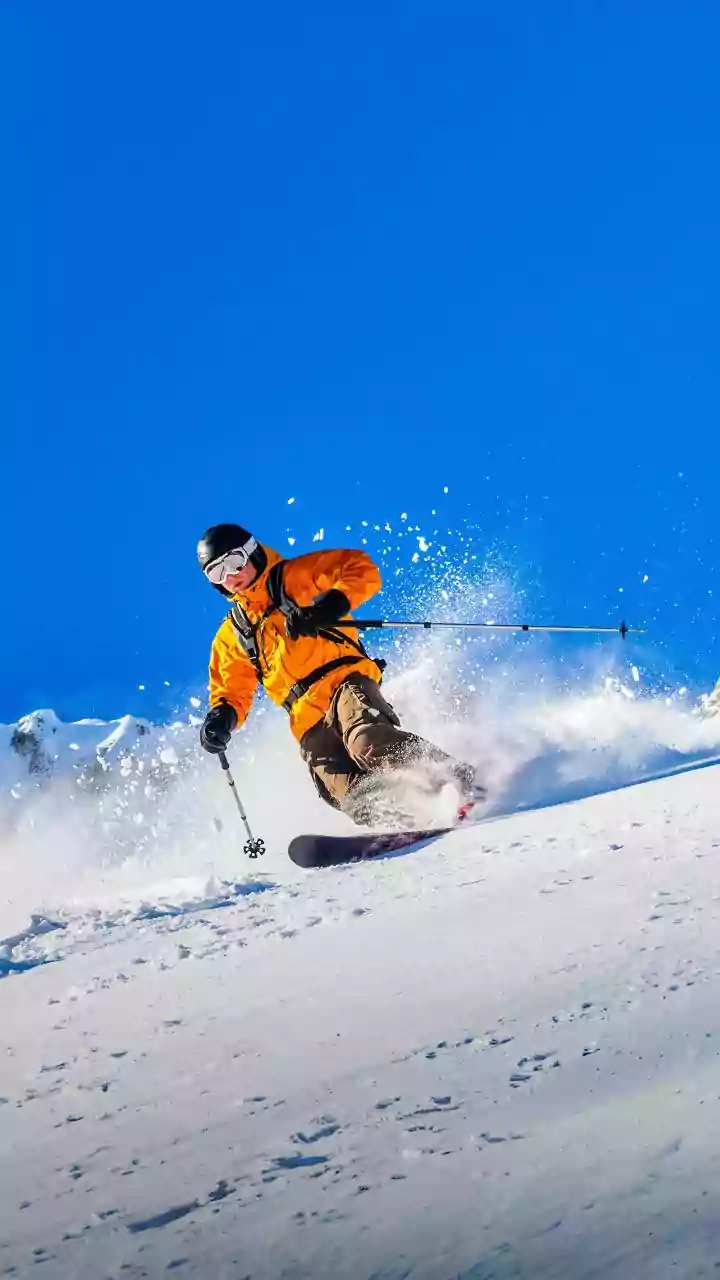
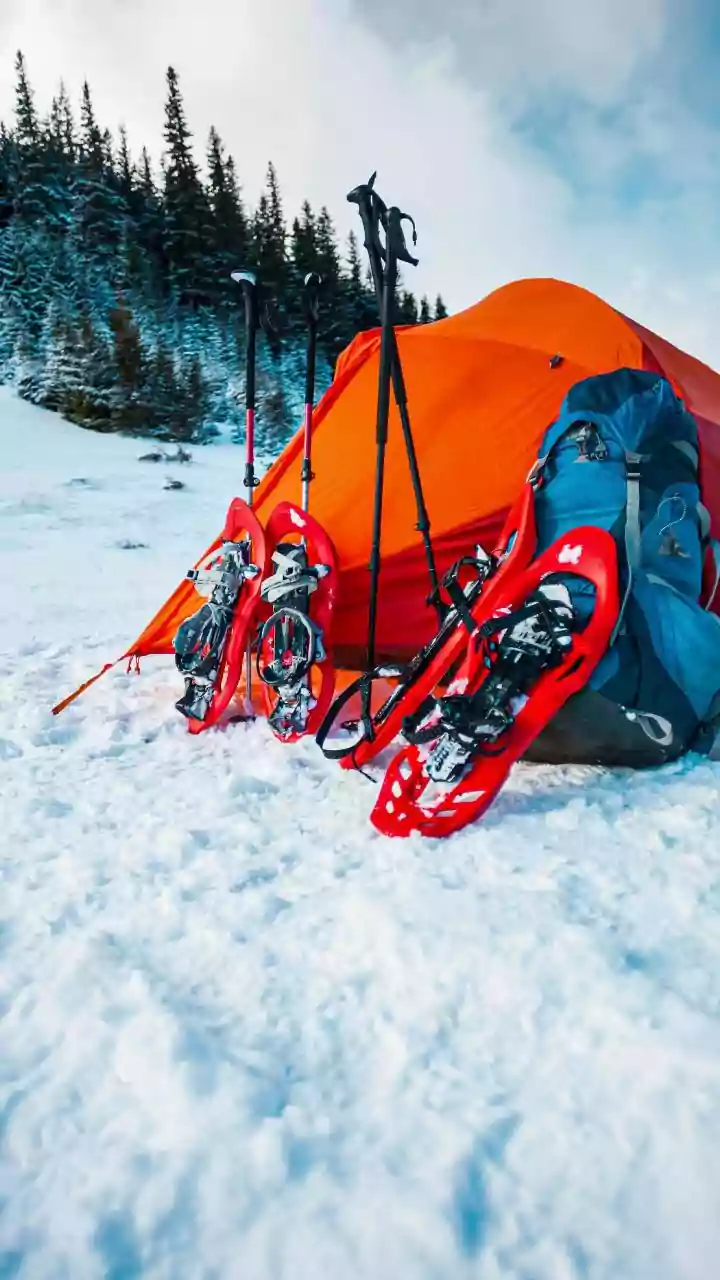
The best time to visit can vary drastically between Himalayan regions. Generally, the main seasons for trekking and travel are spring (March-May) and autumn (September-November), when the weather is stable and skies are clear. Spring offers blooming rhododendrons, while autumn provides crisp air post-monsoon. However, regions in the rain shadow, like Ladakh and Spiti, are best visited in the summer (June-August) when the monsoon affects other parts of the Himalayas, and the high passes are reliably open. Winter travel (December-February) is for the most intrepid, as many roads and passes are closed due to heavy snow, though it offers unique experiences like the Chadar Trek in Zanskar. Planning your days means first picking a season that aligns with open roads and safe conditions for your chosen destination.