




Blueprint for a Lunar Outpost
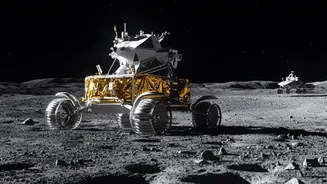
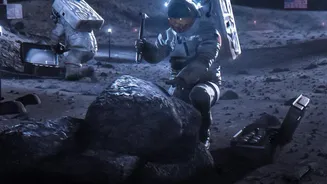
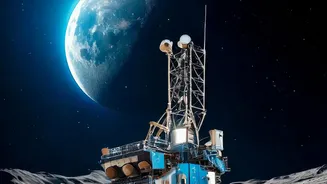
For decades, a moon base has been the stuff of science fiction. But through the Artemis program, NASA is designing the real thing: a sustained human presence on the lunar surface, likely near the resource-rich South Pole. This 'Artemis Base Camp' concept
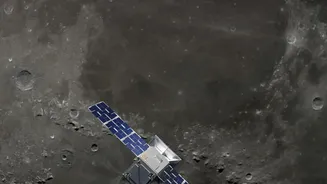
envisions a foundational surface habitat, rovers for transport and exploration, and a power system to support astronauts for long-duration stays of a month or more. But before astronauts can move in, NASA needs to understand the environment in detail. The agency is turning to science to create an 'interplanetary survival guide', sending robotic scouts to pave the way for human explorers. This is where the latest selections come in; they are the initial scientific reconnaissance missions tasked with answering the most critical questions about living and working on the Moon.
The Search for Shelter and Safety
One of the most significant dangers on the Moon is the harsh environment itself, with extreme temperature swings and constant exposure to radiation. To address this, NASA has selected an investigation called the Geophysical Investigation for Mapping Lunar Interior (GIMLI). This payload will explore a feature known as the Marius Hills Pit to determine if it connects to a large, underground lava tube. Scientists have long theorized that these subterranean caverns, potentially hundreds of feet wide, could offer natural, radiation-shielded shelters for future astronauts and their habitats. To further assess risks, another selected mission, the Lunar Environment Monitoring Station – South Pole (LEMS-SP), will act as a long-term weather station, monitoring for 'moonquakes' and tracking incoming micrometeoroids to provide a complete hazard assessment.
Hunting for Lunar Water Ice
For a moon base to be truly sustainable, astronauts must learn to live off the land. The single most important resource to enable this is water. Locked away as ice in permanently shadowed craters, lunar water could be harvested and converted into drinking water, breathable oxygen, and even rocket fuel. The Distribution of Ice and Surface Characteristics Observatory (DISCO) investigation was chosen specifically for this task. It is designed to provide the first direct, on-the-ground measurements of ice hidden in what are known as 'micro-cold traps'—small, constantly shadowed areas that are abundant across the lunar poles. By mapping where ice is and how much exists, DISCO will provide the treasure map for future resource utilization efforts.
Understanding the Lunar Landscape
Beyond finding shelter and water, astronauts will need to navigate and build on the lunar surface. The DISCO payload will also study how the ground itself behaves, from its stability for rovers to how it is disturbed by the blast of a rocket engine during landing. This geotechnical data is essential for designing safe landing procedures and construction techniques. Separately, other selected investigations like the Lunar Instrumentation for Subsurface Thermal Exploration with Rapidity (LISTER) will drill into the surface to measure heat flow from the Moon's interior. Together, these missions will build a comprehensive model of the lunar surface and subsurface, informing everything from the design of astronaut habitats to the routes rovers will take on their scientific expeditions.
Selected, But Not Yet Flown
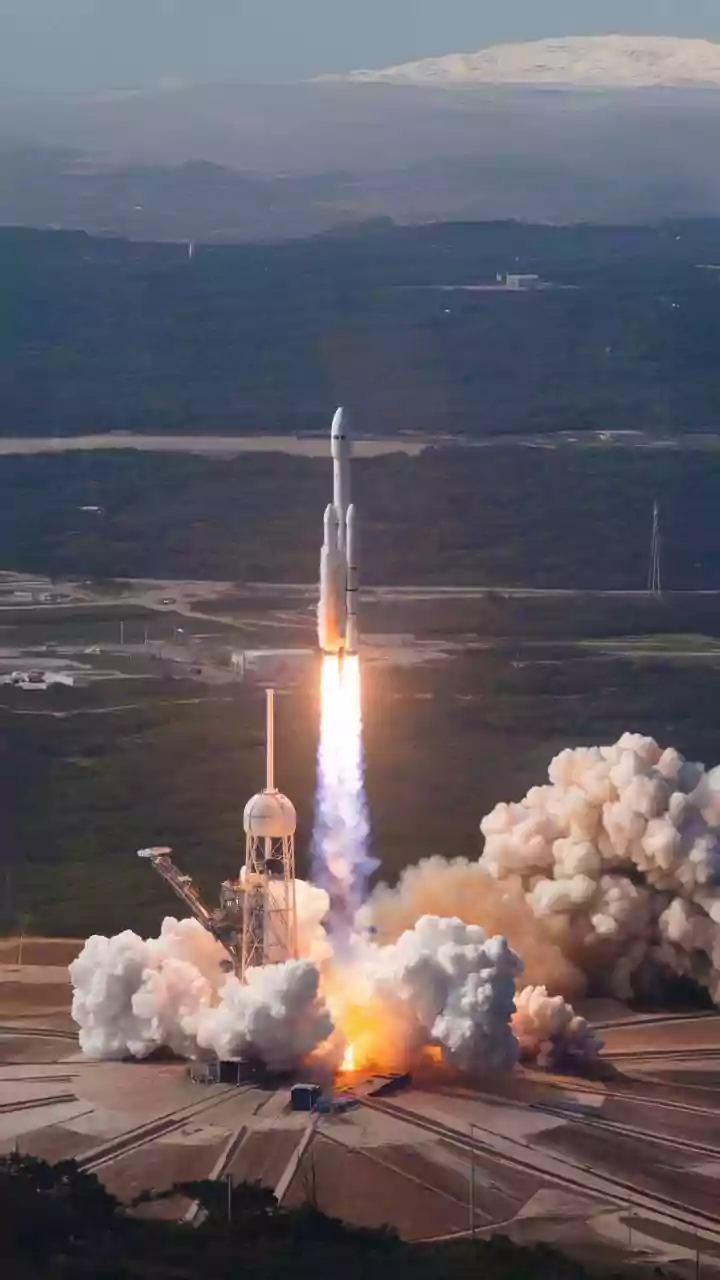
The headline's crucial clarification—'Selected Not Completed'—is key. These investigations are essentially scientific blueprints that have been approved for development. They have been selected through NASA’s Payloads and Research Investigations on the Surface of the Moon (PRISM) program. The next step is to build the instruments and integrate them onto commercial lunar landers, which will deliver them to the Moon as part of the Commercial Lunar Payload Services (CLPS) initiative. These robotic missions will be sent ahead of astronauts, with some scheduled for delivery in the coming years. The success of these precursor missions is entirely dependent on the reliability of the commercial landers tasked with getting them to the surface safely.